
ATD Blog
From Accidental Trainer to Certified Professional
Meet Artrell Williams, a learning experience consultant who earned the Certified Professional in Talent Development (CPTD®) credential in 2024.
Published Mon Oct 06 2025
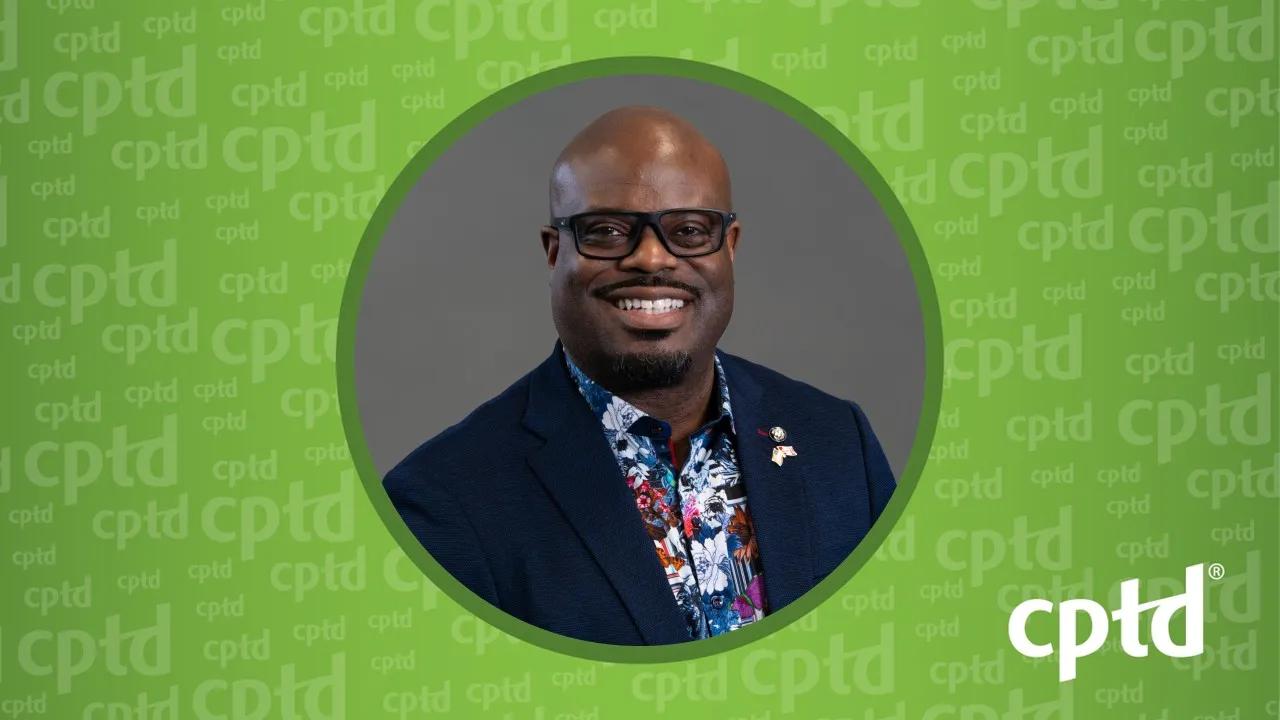
Who are the more than 5,000 talent development professionals who have earned the APTD or CPTD credential? Get to know the talented and diverse community:
Artrell Williams is a Founder and Learning Experience Consultant. He earned the Certified Professional in Talent Development (CPTD®) credential in 2024.
Why did you pursue the CPTD?
I had been an ATD chapter member for several years and I would see the credential letters behind people’s names, which piqued my curiosity. As I did my research, not only was I impressed by the credibility that it lent, but more by the knowledge that credential holders are sharing in articles, blog posts, podcasts, and other publications.
I was intimidated by the prep materials, but people like Melody Davis, Amy P. Kelly, and Aya Medhat offered their support and encouragement. I was also part of a couple of amazing study groups of other candidates who inspired and encouraged me. With such a powerful community all around me, I knew that this would be a great fit.
How have you benefited from the credential—professionally and/or personally?
Pursuing the credential aligned me. It validated what I was doing right and provided me with rationale for what more I could be doing as a talent development leader. It prepared me for more impactful[AL1] roles and exposed me to possibilities that I was unaware of.
Achieving the credential gave me confidence. It allowed me to enter discussions with leaders of other functional areas and establish myself as having my own relevant zone of genius. I became more than a non-essential support person, but a vital member of the leadership team whose contributions drive results.
Having the credential helped me to see bigger pictures on teams, in organizations, and in industries.
What advice would you share with others considering certification?
The certification isn't about letters. It’s not a “pay to play” certification that you “earn” by just showing up. This one takes a thorough knowledge of the many aspects of talent development. Don't expect to get more out of it than you are willing to put into it. As they say, “You can lead a horse to water, but you cannot make him drink.” The resources, the knowledge, and the support are there, from the job bank to the LinkedIn communities. The credential won’t work any magic on its own. But if you apply the concepts in your work, log into the sites, and share your knowledge, your goals will change, your achievements will change, and your results will change.
How do you think certification helps the talent development field?
The field benefits from having proactive guidance about data trends, learning trends, and more. It has helped the industry grow and lent additional credibility to the talent development function in organizations. It has provided roadmaps for all stakeholders involved who are interested in developing talent—in others and in themselves. It has assembled an array of resources to help everyone grow as professionals in their respective spaces. Through research and testing, the credential has proven to be valid and reliable. It has provided a support community for groups of people that often feel siloed and unsupported. It has created spaces for people like me to learn and grow.
How did you get into the talent development field?
Like many, I was an “accidental trainer.” I was laid off from a sales leadership role, and the director of training, Joy Sivec, thought that I would be a good fit for an open role on her team.
What is the best advice you’ve ever received?
Know yourself to grow yourself.
What is a great book you’ve read recently?
The 5 Archetypes – Carey Davidson
What is your favorite hobby or pastime?
Standup comedy
What is the most unusual job you've had?
I worked at Old Navy for one day.
Have you earned the APTD or CPTD? Share your story with the community.