
ATD Blog
5 Tips for Building a Skills-Forward Learning Culture
Content
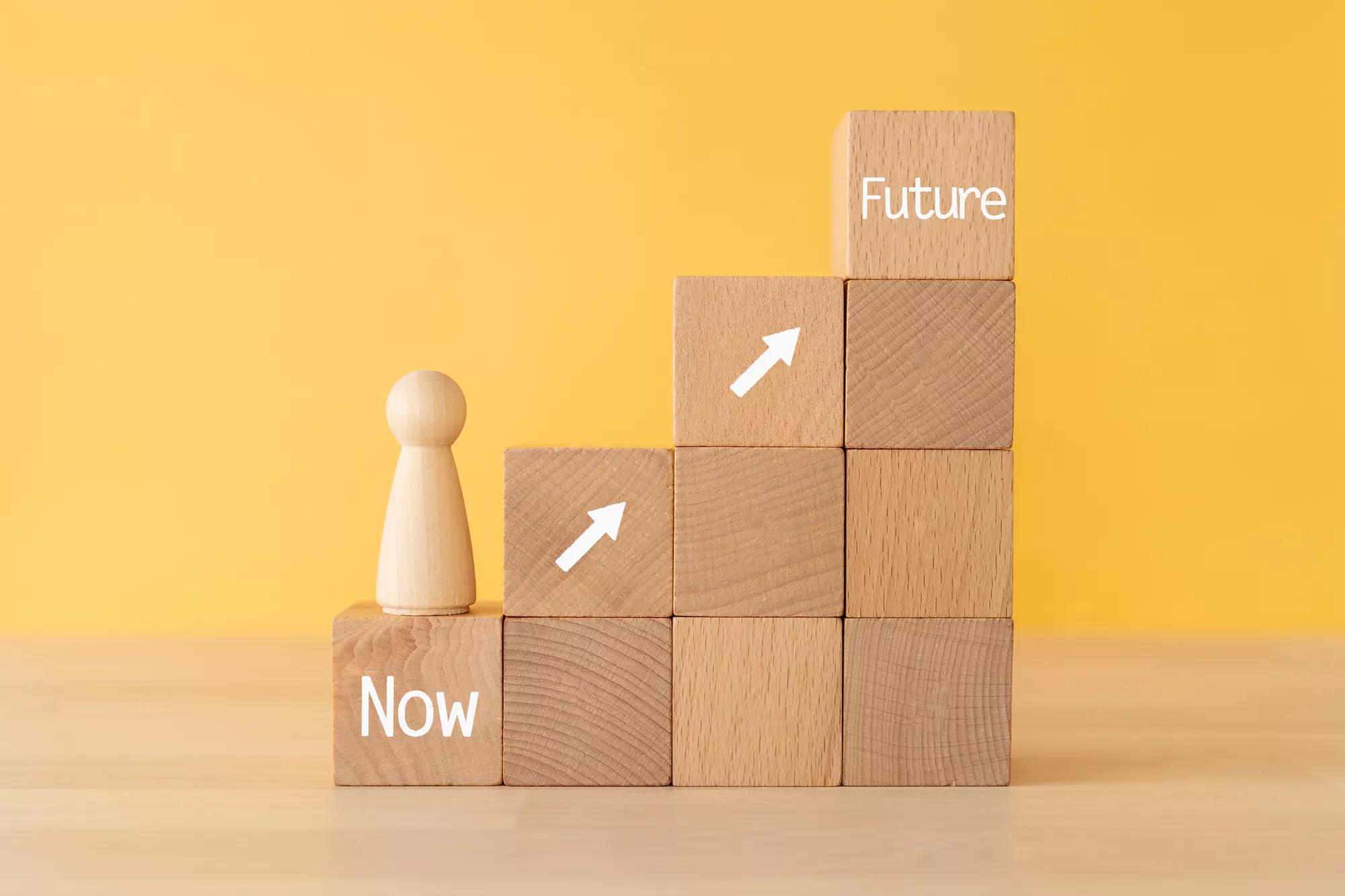
Change is inevitable, but businesses that embed continuous learning into their culture will be the ones shaping the future, not just reacting to it.
Change is inevitable, but businesses that embed continuous learning into their culture will be the ones shaping the future, not just reacting to it.
Fri Feb 28 2025
Brought to you by

Content
The skills your workforce has today won’t be enough for tomorrow. Nearly half of employees (46 percent) and a majority of leaders (61 percent) believe that the skills needed for their roles will need to change significantly—or even completely—by 2030, according to McLean & Company’s Future of Work report .
The skills your workforce has today won’t be enough for tomorrow. Nearly half of employees (46 percent) and a majority of leaders (61 percent) believe that the skills needed for their roles will need to change significantly—or even completely—by 2030, according to McLean & Company’s Future of Work report.
Content
This shift isn’t a challenge; it’s an opportunity. Organizations that embrace skills development today will build a more agile, future-ready workforce that’s prepared to tackle whatever comes next.
This shift isn’t a challenge; it’s an opportunity. Organizations that embrace skills development today will build a more agile, future-ready workforce that’s prepared to tackle whatever comes next.
Content
Employees are eager to grow, and businesses that support upskilling and reskilling don’t just fill skill gaps but boost engagement, retention, and long-term success. The key is moving beyond one-time training and building a skills-forward learning culture that continuously equips employees with the right tools for evolving business needs.
Employees are eager to grow, and businesses that support upskilling and reskilling don’t just fill skill gaps but boost engagement, retention, and long-term success. The key is moving beyond one-time training and building a skills-forward learning culture that continuously equips employees with the right tools for evolving business needs.
Content
The organizations leading tomorrow’s workforce aren’t waiting for change to happen—they’re preparing for it now. Creating this shift doesn’t require a complete overhaul, but it does take intentional steps. Here’s how to get started.
The organizations leading tomorrow’s workforce aren’t waiting for change to happen—they’re preparing for it now. Creating this shift doesn’t require a complete overhaul, but it does take intentional steps. Here’s how to get started.
How to Build a Skills-Forward Learning Culture
Content
Creating a culture that prioritizes skills development doesn’t happen overnight, but taking small, strategic steps can make a big impact.
Creating a culture that prioritizes skills development doesn’t happen overnight, but taking small, strategic steps can make a big impact.
Content
1. Identify the Most Critical Skills Gaps. Start with data, not guesswork. A skills gap analysis helps pinpoint the capabilities your workforce needs to stay competitive. Rather than reacting to talent shortages, companies that assess their current skills landscape can make strategic decisions about training, hiring, and internal mobility.
1. Identify the Most Critical Skills Gaps. Start with data, not guesswork. A skills gap analysis helps pinpoint the capabilities your workforce needs to stay competitive. Rather than reacting to talent shortages, companies that assess their current skills landscape can make strategic decisions about training, hiring, and internal mobility.
Content
For example, if your company frequently searches externally for data analysis roles, it may indicate a need to upskill current employees in that area. Similarly, if your industry is shifting toward automation, identifying those emerging skills early allows for proactive development instead of last-minute hiring scrambles.
For example, if your company frequently searches externally for data analysis roles, it may indicate a need to upskill current employees in that area. Similarly, if your industry is shifting toward automation, identifying those emerging skills early allows for proactive development instead of last-minute hiring scrambles.
Content
2. Implement a Skills-Based Learning Strategy. A learning management system (LMS) isn’t just a content library—it should be a strategic tool for tracking, measuring, and improving workforce skills. Choose a system that:
2. Implement a Skills-Based Learning Strategy. A learning management system (LMS) isn’t just a content library—it should be a strategic tool for tracking, measuring, and improving workforce skills. Choose a system that:
Content
Supports competency-based learning, not just course completion
Supports competency-based learning, not just course completion
Content
Provides real-time analytics on employee progress
Provides real-time analytics on employee progress
Content
Adapts and scales as your business grows
Adapts and scales as your business grows
Content
This ensures training isn’t just happening but that it’s building skills that align with business needs.
This ensures training isn’t just happening but that it’s building skills that align with business needs.
Content
3. Leverage Microcredentials and Certifications. Traditional training often lacks a clear way to prove skills mastery. Digital credentials and microlearning pathways help validate employee expertise, making learning more measurable, portable, and relevant.
3. Leverage Microcredentials and Certifications. Traditional training often lacks a clear way to prove skills mastery. Digital credentials and microlearning pathways help validate employee expertise, making learning more measurable, portable, and relevant.
Content
By offering industry-recognized certifications, organizations can:
By offering industry-recognized certifications, organizations can:
Content
Motivate employees with tangible proof of their skills
Motivate employees with tangible proof of their skills
Content
Align training with real-world job requirements
Align training with real-world job requirements
Content
Improve workforce visibility so leaders can see exactly who has what skills
Improve workforce visibility so leaders can see exactly who has what skills
Content
Microcredentials ensure employees are learning skills that have real-world applications rather than just completing courses.
Microcredentials ensure employees are learning skills that have real-world applications rather than just completing courses.
Content
4. Empower Employees with Personalized Learning. Employees are most engaged when training feels relevant to their roles and career aspirations. A one-size-fits-all approach won’t cut it anymore, and organizations that offer flexibility see better learning outcomes.
4. Empower Employees with Personalized Learning. Employees are most engaged when training feels relevant to their roles and career aspirations. A one-size-fits-all approach won’t cut it anymore, and organizations that offer flexibility see better learning outcomes.
Content
Role-based learning paths ensure employees develop the skills needed for their specific job functions. Mobile-friendly, self-paced training allows them to fit learning into their schedules, rather than the other way around. And when businesses encourage cross-training, they create a workforce that’s more versatile, agile, and prepared for new opportunities.
Role-based learning paths ensure employees develop the skills needed for their specific job functions. Mobile-friendly, self-paced training allows them to fit learning into their schedules, rather than the other way around. And when businesses encourage cross-training, they create a workforce that’s more versatile, agile, and prepared for new opportunities.
Content
5. Make Learning Continuous and Embedded in Workflows. Training shouldn’t be a one-time event; it should be part of how work gets done. Instead of relying on standalone courses, embed learning into daily workflows with:
5. Make Learning Continuous and Embedded in Workflows. Training shouldn’t be a one-time event; it should be part of how work gets done. Instead of relying on standalone courses, embed learning into daily workflows with:
Content
Bite-sized microlearning modules employees can complete in minutes
Bite-sized microlearning modules employees can complete in minutes
Content
AI-powered learning recommendations based on real-time performance data
AI-powered learning recommendations based on real-time performance data
Content
Peer learning and mentorship programs to drive collaboration
Peer learning and mentorship programs to drive collaboration
Content
When learning is integrated into daily work, it becomes second nature rather than an extra task.
When learning is integrated into daily work, it becomes second nature rather than an extra task.
Build Skills Today to Lead Tomorrow
Content
The workforce is evolving, and organizations that invest in skills development now will be the ones driving success in the future. A skills-forward learning culture doesn’t just help businesses keep up—it allows them to innovate, grow, and stay ahead of industry shifts. By proactively identifying skills gaps, implementing targeted learning strategies, and making development an ongoing priority, companies can build a workforce that’s adaptable, engaged, and ready for what’s next.
The workforce is evolving, and organizations that invest in skills development now will be the ones driving success in the future. A skills-forward learning culture doesn’t just help businesses keep up—it allows them to innovate, grow, and stay ahead of industry shifts. By proactively identifying skills gaps, implementing targeted learning strategies, and making development an ongoing priority, companies can build a workforce that’s adaptable, engaged, and ready for what’s next.
Content
Change is inevitable, but businesses that embed continuous learning into their culture will be the ones shaping the future, not just reacting to it. The best time to start? Right now.
Change is inevitable, but businesses that embed continuous learning into their culture will be the ones shaping the future, not just reacting to it. The best time to start? Right now.