ATD, association for talent development

ATD Blog

A Unified Approach: Centralizing Content in a Modern Ecosystem

By

Mon Jan 24 2022

A Unified Approach: Centralizing Content in a Modern Ecosystem
Loading...

Content

It was once thought that one learning platform would fulfill all an organization’s training needs. That isn't the case. Learning ecosystems are evolving and growing as more tools and technologies are developed. Using multiple products, each serving focused niches, offers unique benefits, but this evolution can also create administrative nightmares.

It was once thought that one learning platform would fulfill all an organization’s training needs. That isn't the case. Learning ecosystems are evolving and growing as more tools and technologies are developed. Using multiple products, each serving focused niches, offers unique benefits, but this evolution can also create administrative nightmares.

Content

Most organizations have multiple learning management systems (LMSs) and learning platforms implemented across departments with differing requirements. That results in siloed systems and disparate technologies that make managing content and holistically viewing training difficult.

Most organizations have multiple learning management systems (LMSs) and learning platforms implemented across departments with differing requirements. That results in siloed systems and disparate technologies that make managing content and holistically viewing training difficult.

Content

Figure 1. Example of a Complex Corporate Learning Ecosystem
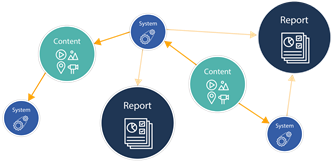
Figure 1. Example of a Complex Corporate Learning Ecosystem

A Unified Approach: Centralizing Content in a Modern Ecosystem-Vilches_Figure1.png

Content

Establishing a modern learning infrastructure allows organizations to more easily share training and centrally track data while meeting stakeholder needs. To accomplish this, it’s essential to understand learning technologies: today’s tools, what’s coming next, and the technical considerations of centralizing content and managing a growing learning ecosystem.

Establishing a modern learning infrastructure allows organizations to more easily share training and centrally track data while meeting stakeholder needs. To accomplish this, it’s essential to understand learning technologies: today’s tools, what’s coming next, and the technical considerations of centralizing content and managing a growing learning ecosystem.

It Gets Complicated Quickly

Content

In the past, organizations often used one authoring tool, one LMS, and customized off-the-shelf content. As technologies advanced, additional platforms emerged providing more flexibility for delivering training. We’ve also embraced more learning modalities beyond traditional courses: apps, games, simulations, and VR. Whether by design or through evolution or acquisitions, your organization’s learning ecosystem likely looks different today from when it began.

In the past, organizations often used one authoring tool, one LMS, and customized off-the-shelf content. As technologies advanced, additional platforms emerged providing more flexibility for delivering training. We’ve also embraced more learning modalities beyond traditional courses: apps, games, simulations, and VR. Whether by design or through evolution or acquisitions, your organization’s learning ecosystem likely looks different today from when it began.

Content

Content Complexity

Content Complexity

Content

Content comes in all shapes and sizes, and the more content and tools you have, the more quickly it becomes complicated.

Content comes in all shapes and sizes, and the more content and tools you have, the more quickly it becomes complicated.

Content

Imagine your team creates annual policies around courseware with an authoring tool. Since you need supplemental materials for general compliance training, you’ve procured those courses from a third party. You’ve also incorporated diversity, equity, and inclusion training from a specialist. That’s three content sources already.

Imagine your team creates annual policies around courseware with an authoring tool. Since you need supplemental materials for general compliance training, you’ve procured those courses from a third party. You’ve also incorporated diversity, equity, and inclusion training from a specialist. That’s three content sources already.

Content

Chances are good that these courses employ different e-learning standards , plus different ways to handle data and reporting.

Chances are good that these courses employ different e-learning standards, plus different ways to handle data and reporting.

Content

Growing Pains

Growing Pains

Content

Then your organization acquires another company, which has its own LMS supporting a different learning standard and integral legacy training. Your ecosystem now has two LMSs, a mix of in-house and off-the-shelf courses, and an authoring tool, which aren’t all compatible.

Then your organization acquires another company, which has its own LMS supporting a different learning standard and integral legacy training. Your ecosystem now has two LMSs, a mix of in-house and off-the-shelf courses, and an authoring tool, which aren’t all compatible.

Content

The inevitable happens: a course needs updating. The course itself needs editing along with republishing in multiple standards and reloading into each system. That might not sound bad now, but as your content library expands, the time and effort compounds.

The inevitable happens: a course needs updating. The course itself needs editing along with republishing in multiple standards and reloading into each system. That might not sound bad now, but as your content library expands, the time and effort compounds.

Content

With growth, learning ecosystems can rapidly become unmanageable. The biggest concerns are compatibility, content accuracy, and data visibility.

With growth, learning ecosystems can rapidly become unmanageable. The biggest concerns are compatibility, content accuracy, and data visibility.

Staying Ahead of the Problem

Content

Just as many organizations have a “system of record,” the same model can apply to your content catalog to overcome these issues and solve scattered content headaches.

Just as many organizations have a “system of record,” the same model can apply to your content catalog to overcome these issues and solve scattered content headaches.

Content

Further, you may already have a tool that you can designate as the single application for managing and distributing your content. Choose a platform that is capable of managing and delivering multiple content types across various systems as well as exporting learner data.

Further, you may already have a tool that you can designate as the single application for managing and distributing your content. Choose a platform that is capable of managing and delivering multiple content types across various systems as well as exporting learner data.

Content

Figure 2. Example of Centralized Content
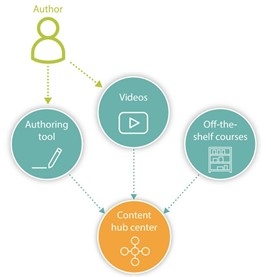
Figure 2. Example of Centralized Content

A Unified Approach: Centralizing Content in a Modern Ecosystem-Vilches Figure2.jpg

Content

Choices for the system of record:

Choices for the system of record:

Content

Content

Content

Learning Content Management System

Learning Content Management System

Content

Creates, manages, and distributes content.

Creates, manages, and distributes content.

Content

Pros:

Pros:

Content

Replaces multiple tools.

Replaces multiple tools.

Content

Cons:

Cons:

Content

Might not allow outside content or support multiple content types. Must add more tools if another authoring tool is needed.

Might not allow outside content or support multiple content types. Must add more tools if another authoring tool is needed.

Content

Content Distribution Platform

Content Distribution Platform

Content

Imports content from any source and distributes it as proxy files to any system.

Imports content from any source and distributes it as proxy files to any system.

Content

Pros:

Pros:

Content

Supports multiple content types and standards. All content sources are imported into the platform and access is shared to the LMS.

Supports multiple content types and standards. All content sources are imported into the platform and access is shared to the LMS.

Content

Cons:

Cons:

Content

Most don’t offer native content creation support.

Most don’t offer native content creation support.

The Payoffs

Content

Content organized within a single application solves the common pain points of compatibility, versioning accuracy, consistent user experience, and visibility within and across courses.

Content organized within a single application solves the common pain points of compatibility, versioning accuracy, consistent user experience, and visibility within and across courses.

Content

Compatibility

Compatibility

Content

The LMS-supported standard used to dictate the content. This sometimes meant sacrificing details or user experience. By designating a content management platform, you can overcome this common issue. If your chosen platform supports the standards and formats you need, you’re no longer beholden to the LMS. For example, you can publish in SCORM 2004 or xAPI even if your LMS only supports SCORM 1.2. Also, you’ll be able to test and configure the course one time, which decreases the time it takes to copy content into multiple systems.

The LMS-supported standard used to dictate the content. This sometimes meant sacrificing details or user experience. By designating a content management platform, you can overcome this common issue. If your chosen platform supports the standards and formats you need, you’re no longer beholden to the LMS. For example, you can publish in SCORM 2004 or xAPI even if your LMS only supports SCORM 1.2. Also, you’ll be able to test and configure the course one time, which decreases the time it takes to copy content into multiple systems.

Content

Accuracy

Accuracy

Content

Updating multiple versions or republishing into multiple standards are an administrative burden. By centralizing your content management and distribution , updates are handled in one place at one time, even when multiple systems are used.

Updating multiple versions or republishing into multiple standards are an administrative burden. By centralizing your content management and distribution, updates are handled in one place at one time, even when multiple systems are used.

Content

User Experience

User Experience

Content

You’ll also have more control over how the content is presented. Want your content to be mobile friendly? That can happen. Want to limit or eliminate pop-up windows? That’s possible, too.

You’ll also have more control over how the content is presented. Want your content to be mobile friendly? That can happen. Want to limit or eliminate pop-up windows? That’s possible, too.

Content

Visibility

Visibility

Content

If you could see what happens inside a course, what improvements would you make? Content centralization platforms provide better visibility into your courses, even when accessed from multiple systems or LMSs. Digging deeper into the data provides insights into the effectiveness of training programs. In some cases, the LMS data might not be accessible outside of that system, which makes it challenging to see the larger picture.

If you could see what happens inside a course, what improvements would you make? Content centralization platforms provide better visibility into your courses, even when accessed from multiple systems or LMSs. Digging deeper into the data provides insights into the effectiveness of training programs. In some cases, the LMS data might not be accessible outside of that system, which makes it challenging to see the larger picture.

Content

Reporting

Reporting

Content

Sourcing and delivering content is crucial, but it’s also helpful to know what actually happened. Courses need to record and capture that data and allow you to meaningfully access that data.

Sourcing and delivering content is crucial, but it’s also helpful to know what actually happened. Courses need to record and capture that data and allow you to meaningfully access that data.

Content

While content needs should be the deciding factor, you’ll want to ask vendors about the tool’s data reporting and exporting capabilities, especially if you prefer a specific analytics tool.

While content needs should be the deciding factor, you’ll want to ask vendors about the tool’s data reporting and exporting capabilities, especially if you prefer a specific analytics tool.

Centralize Your Training Content

Content

There are more technology options than ever before. With specialized platforms and vast amounts of courses to choose from, the learning landscape today requires a new approach to organizing and managing these tools. By starting a centralized approach to content management and distribution, you can help bring order to the chaos and have the flexibility to incorporate new tools as your business expands and changes.

There are more technology options than ever before. With specialized platforms and vast amounts of courses to choose from, the learning landscape today requires a new approach to organizing and managing these tools. By starting a centralized approach to content management and distribution, you can help bring order to the chaos and have the flexibility to incorporate new tools as your business expands and changes.

Content

To better understand the technical considerations for managing multiple systems and the tools available to connect content and data, join my ATD TechKnowledge session, Meeting in the Middle: A Blended Approach to Learning Tech, Thursday, February 10.

To better understand the technical considerations for managing multiple systems and the tools available to connect content and data, join my ATD TechKnowledge session, Meeting in the Middle: A Blended Approach to Learning Tech, Thursday, February 10.

You've Reached ATD Member-only Content

Become an ATD member to continue

Already a member?Sign In


Copyright © 2026 ATD

ASTD changed its name to ATD to meet the growing needs of a dynamic, global profession.

Terms of UsePrivacy NoticeCookie Policy