ATD, association for talent development

ATD Blog

Applying Wordle Design Principles to E-Learning

By

Tue Aug 09 2022

Applying Wordle Design Principles to E-Learning
Loading...

Content

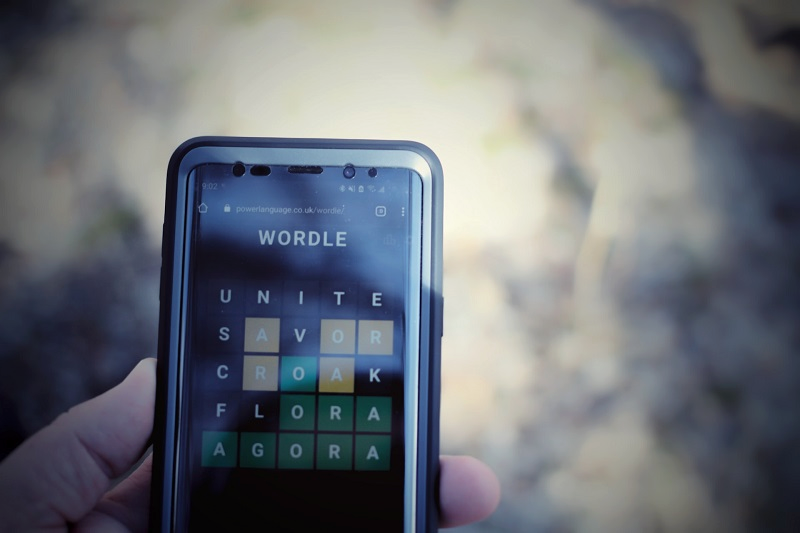
Have you played the online game Wordle? It’s the one with the green, yellow, and gray boxes that went viral during the pandemic.

Have you played the online game Wordle? It’s the one with the green, yellow, and gray boxes that went viral during the pandemic.

Content

Josh Wardle, a former Reddit engineer, created the game in 2021 that became a family activity over WhatsApp. The New York Times eventually purchased it in January 2022, adding it to their collection of word games, including Spelling Bee and the Crossword.

Josh Wardle, a former Reddit engineer, created the game in 2021 that became a family activity over WhatsApp. The New York Times eventually purchased it in January 2022, adding it to their collection of word games, including Spelling Bee and the Crossword.

Content

As learning and development professionals, we can apply some of the design principles used in this game to our learning interventions.

As learning and development professionals, we can apply some of the design principles used in this game to our learning interventions.

Simple User Interface

Content

The user interface is minimalistic with three components:

The user interface is minimalistic with three components:

  • Content

    The top navigation panel, which includes the main title and four icons for instructions, settings, the player’s record, and links to other games from the New York Times

    The top navigation panel, which includes the main title and four icons for instructions, settings, the player’s record, and links to other games from the New York Times

  • Content

    The main field containing a six-by-five table where the letters appear

    The main field containing a six-by-five table where the letters appear

  • Content

    The bottom keyboard to type out answers

    The bottom keyboard to type out answers

Content

For a game that capitalizes on a player’s lexical wealth and logical thinking, Wordle uses an intuitive design to lessen cognitive load. In fact, first-time players receive just 85 words of instruction letting them know everything they’ll need to start playing the game.

For a game that capitalizes on a player’s lexical wealth and logical thinking, Wordle uses an intuitive design to lessen cognitive load. In fact, first-time players receive just 85 words of instruction letting them know everything they’ll need to start playing the game.

Content

We can also achieve a simple yet effective e-learning design by following these tips:

We can also achieve a simple yet effective e-learning design by following these tips:

  • Content

    Stick to one pair of font combinations in two to three colors.

    Stick to one pair of font combinations in two to three colors.

  • Content

    Provide simple, one-click or drag interactivity.

    Provide simple, one-click or drag interactivity.

  • Content

    Use visual or auditory cues and clear instructions.

    Use visual or auditory cues and clear instructions.

  • Content

    Trust your users' knowledge and intuition, and avoid pedantic instructions (for example, “click next to continue”).

    Trust your users' knowledge and intuition, and avoid pedantic instructions (for example, “click next to continue”).

Bite-Sized Learning

Content

Wordle offers one puzzle per day.

Wordle offers one puzzle per day.

Content

A small-sized challenge does not generate fatigue, overindulgence, or saturation. On the contrary, it builds anticipation and excitement, which is why some players can sustain a 30- to 80-day streak.

A small-sized challenge does not generate fatigue, overindulgence, or saturation. On the contrary, it builds anticipation and excitement, which is why some players can sustain a 30- to 80-day streak.

Content

Moreover, we learn best through small learning chunks. These approaches can help us execute our bite-sized learning:

Moreover, we learn best through small learning chunks. These approaches can help us execute our bite-sized learning:

  • Content

    Microlearning contains content that takes two to 15 minutes. This can be delivered through videos, standalone modules, or even games. It is shorter than a full course because a microlearning nugget is tied to one or two learning objectives. It’s action based and easily consumed.

    Microlearning contains content that takes two to 15 minutes. This can be delivered through videos, standalone modules, or even games. It is shorter than a full course because a microlearning nugget is tied to one or two learning objectives. It’s action based and easily consumed.

  • Content

    Drip feeding , like microlearning, uses chunking to break down big and complex topics into manageable sizes. In drip feeding, the delivery of microlearning content is scheduled so learners get time to process and practice, keeping them excited for the next lesson.

    Drip feeding, like microlearning, uses chunking to break down big and complex topics into manageable sizes. In drip feeding, the delivery of microlearning content is scheduled so learners get time to process and practice, keeping them excited for the next lesson.

Desirable Difficulty

Content

Although there are 13,000 five-letter words in the English language, Wordle uses 2,500 commonly known words. This increases the chances of success while keeping the game challenging enough to trigger encoding and retrieval learning processes. Moreover, all players are equally engaged with the same puzzle regardless of their skill level.

Although there are 13,000 five-letter words in the English language, Wordle uses 2,500 commonly known words. This increases the chances of success while keeping the game challenging enough to trigger encoding and retrieval learning processes. Moreover, all players are equally engaged with the same puzzle regardless of their skill level.

Content

We can design learning to activate flow by designing scenarios or simulations that are challenging enough and customized to the learners’ skill levels.

We can design learning to activate flow by designing scenarios or simulations that are challenging enough and customized to the learners’ skill levels.

Retrieval Practice

Content

While Wordle seems like a crossword at first, the mental process of solving it is like cracking codes.

While Wordle seems like a crossword at first, the mental process of solving it is like cracking codes.

Content

Players use their knowledge of spelling and sound patterns to solve the puzzle. As the game is based on five-letter words, the words almost always involve consonant clusters, such as “ETAOIN SHRDLU.” The puzzle promotes converting knowledge from long-term memory into working memory.

Players use their knowledge of spelling and sound patterns to solve the puzzle. As the game is based on five-letter words, the words almost always involve consonant clusters, such as “ETAOIN SHRDLU.” The puzzle promotes converting knowledge from long-term memory into working memory.

Content

While learning does occur during the initial encoding stage—when users get information in through the content presentation—research suggests that a significant amount of learning also occurs when users pull information out through retrieval practice. Strategies for retrieval that we can practice include quizzes, assessments, and real-life situation testing, where users can recall information from memory. Effective feedback helps the learning stick.

While learning does occur during the initial encoding stage—when users get information in through the content presentation—research suggests that a significant amount of learning also occurs when users pull information out through retrieval practice. Strategies for retrieval that we can practice include quizzes, assessments, and real-life situation testing, where users can recall information from memory. Effective feedback helps the learning stick.

Feedback

Content

The goal of Wordle’s players is to solve a five-letter mystery word in six attempts. The puzzle uses color as feedback on letter positioning, changing the color of the tiles:

The goal of Wordle’s players is to solve a five-letter mystery word in six attempts. The puzzle uses color as feedback on letter positioning, changing the color of the tiles:

  • Content

    Green indicates a letter is in the correct position.

    Green indicates a letter is in the correct position.

  • Content

    Yellow signals the letter is in the word but not in its proper place.

    Yellow signals the letter is in the word but not in its proper place.

  • Content

    Gray means the letter is not used in the puzzle.

    Gray means the letter is not used in the puzzle.

Content

Another feature involves the keyboard keys reflecting the letter states. This prevents the user from moving back and forth between the grid and the keyboard, reducing cognitive load.

Another feature involves the keyboard keys reflecting the letter states. This prevents the user from moving back and forth between the grid and the keyboard, reducing cognitive load.

Content

Wordle’s congratulatory messages are positive and humorous, describing players as genius, magnificent, impressive, splendid, and great; players receive a relieved “phew” on their sixth attempt.

Wordle’s congratulatory messages are positive and humorous, describing players as genius, magnificent, impressive, splendid, and great; players receive a relieved “phew” on their sixth attempt.

Content

As learning professionals, we can design feedback that helps our learners reach the learning goal with simple and effective tactics.

As learning professionals, we can design feedback that helps our learners reach the learning goal with simple and effective tactics.

Shared Experience

Content

Wordle allows users to share their wins without sharing the answers. While there are no prizes or rewards for solving the puzzle, one can post the colored blocks online to show they solved it. This is an excellent example of zero-knowledge proof.

Wordle allows users to share their wins without sharing the answers. While there are no prizes or rewards for solving the puzzle, one can post the colored blocks online to show they solved it. This is an excellent example of zero-knowledge proof.

Content

With all players (skilled and unskilled) working on the same puzzle simultaneously, Wordle promotes a shared experience, bringing everyone together.

With all players (skilled and unskilled) working on the same puzzle simultaneously, Wordle promotes a shared experience, bringing everyone together.

Content

When we design learning interventions for all competency levels to maximize the size of our potential audience, we help foster a learning environment that encourages social learning.

When we design learning interventions for all competency levels to maximize the size of our potential audience, we help foster a learning environment that encourages social learning.

Less Is More

Content

Wordle capitalizes on simple and effective learning and visual design principles to create a product everyone can engage with and enjoy. And so can learning designers!

Wordle capitalizes on simple and effective learning and visual design principles to create a product everyone can engage with and enjoy. And so can learning designers!

You've Reached ATD Member-only Content

Become an ATD member to continue

Already a member?Sign In


Copyright © 2026 ATD

ASTD changed its name to ATD to meet the growing needs of a dynamic, global profession.

Terms of UsePrivacy NoticeCookie Policy