
ATD Blog
Becoming an Architect of Capability
Content
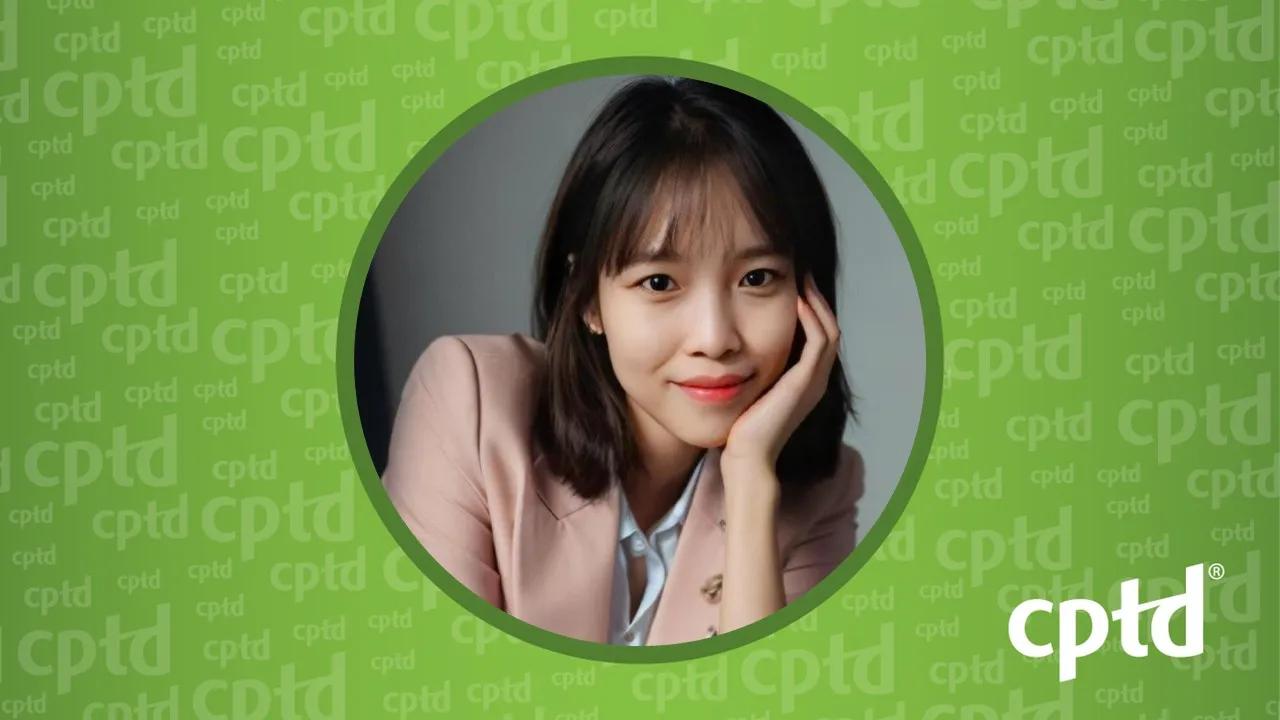
Meet Thanh Dang, a organizational developer, senior executive who earned the Certified Professional in Talent Development (CPTD®) credential in 2024.
Meet Thanh Dang, a organizational developer, senior executive who earned the Certified Professional in Talent Development (CPTD®) credential in 2024.
Published Mon May 04 2026
Content
Who are the more than 5,000 talent development professionals who have earned the APTD or CPTD credential? Get to know the talented and diverse community: Thanh Dang is a organizational developer, senior executive. She earned the Certified Professional in Talent Development (CPTD ® ) credential in 2024. Why did you pursue the CPTD? I pursued the CPTD to transition from tactical execution to systemic intervention. In an era where skills have a shorter shelf life than ever, being a practitioner requires a rigorous, evidence-based framework to ensure that human capital remains an organization’s primary competitive advantage. How have you benefited from the credential—professionally and/or personally? The most immediate benefit has been a fundamental shift in my professional posture. - Methodological Grounding: Before the credential, my interventions were often based on “best guesses” or legacy templates. Now, I operate from the ATD Capability Model. When I propose a solution, I’m backed by a global framework of evidence-based practice. - The “Imposter Syndrome” Cure: Having the credential validated my years of experience, giving me the internal authority to push back on stakeholders when their requests don’t align with how people actually learn. - Peer-to-Peer Credibility: When I speak with chief learning officers or external consultants, the CPTD establishes an immediate baseline of trust. We speak the same language. I can hold my own in high-level discussions regarding workforce planning and human capital ecosystems. What advice would you share with others considering certification? The sheer volume of the “knowledge haul” required for the CPTD is almost impossible to imagine until you’re deep within the framework; it is an intense, high-pressure climb that demands you master everything from predictive analytics to the complexities of organizational systems. However, there is a profound sense of empowerment that comes from replacing “gut feelings” with a rigorous, global methodology. While the learning curve is steep, the payoff is an immediate surge in professional confidence; you find yourself walking into executive meetings with a new level of authority, armed with a toolkit that you can apply effectively to real-world challenges. It transforms the way you work, turning theoretical jargon into a practical, high-impact strategy that delivers measurable results for your organization. How do you think certification helps the talent development field? I see certification as the “professional anchor” our field needs. It takes all these different ways of working and pulls them into a shared, high-impact language. By setting a global standard, it proves to the business that we aren’t just a “cost center” or a “support function”—we are a strategic engine. In an era of AI and constant change, certification acts as our quality control; it ensures we are using evidence-based methodology to bridge performance gaps rather than just throwing content at problems. It elevates all of us from being “order-takers” to being the capability architects who actually drive the organization forward. How did your employer support your pursuit of the credential? While I navigated my “open to work” phase, I chose to become my own employer and sponsor. I dedicated my transition period to this “knowledge haul,” treating my study hours as a full-time commitment to professional sharpening. Without the traditional corporate safety net, the pressure was entirely on me to master the methodology, but that independence is exactly what fueled my confidence. It wasn’t just about getting a credential to find a job; it was about ensuring that when I stepped into my next role, I was arriving as a highly calibrated expert, ready to apply global standards from day one. What does having your credential mean to you? Earning this credential is a massive milestone for me, especially knowing how rare it is in Vietnam. The sheer “knowledge haul” and the pressure of self-studying during my “open to work” days were intense. But that struggle is exactly why I’m so happy today. It’s no longer just a goal on a piece of paper; it’s a reflection of my grit and my commitment to the field. Now, I don’t just “do” L&OD—I lead it with a level of confidence and methodological rigor that sets me apart in our local market. How did you get into the talent development field? My path into this field was driven by a genuine love for working with people and a belief in their potential. From my very first step into the labor market, I knew I didn’t just want a job—I wanted to make an impact, so I chose training & development as my foundation. Over the years, that passion has evolved into a specialized focus on talent development. I realized that it isn’t just about delivering a class; it’s about architecting the systems that help people grow into their best professional selves. Pursuing the CPTD was the natural next step in that evolution. What is the best advice you’ve ever received? Believe in yourself; you are better than you think. What is a great book you’ve read recently? A book I’ve read recently that really hit home for me is The Psychology of Money by Morgan Housel. What is your favorite hobby or pastime? Building LEGOs
Who are the more than 5,000 talent development professionals who have earned the APTD or CPTD credential? Get to know the talented and diverse community:
Thanh Dang is a organizational developer, senior executive. She earned the Certified Professional in Talent Development (CPTD®) credential in 2024.
Why did you pursue the CPTD?
I pursued the CPTD to transition from tactical execution to systemic intervention. In an era where skills have a shorter shelf life than ever, being a practitioner requires a rigorous, evidence-based framework to ensure that human capital remains an organization’s primary competitive advantage.
How have you benefited from the credential—professionally and/or personally?
The most immediate benefit has been a fundamental shift in my professional posture.
- Methodological Grounding: Before the credential, my interventions were often based on “best guesses” or legacy templates. Now, I operate from the ATD Capability Model. When I propose a solution, I’m backed by a global framework of evidence-based practice.
- The “Imposter Syndrome” Cure: Having the credential validated my years of experience, giving me the internal authority to push back on stakeholders when their requests don’t align with how people actually learn.
- Peer-to-Peer Credibility: When I speak with chief learning officers or external consultants, the CPTD establishes an immediate baseline of trust. We speak the same language. I can hold my own in high-level discussions regarding workforce planning and human capital ecosystems.
What advice would you share with others considering certification?
The sheer volume of the “knowledge haul” required for the CPTD is almost impossible to imagine until you’re deep within the framework; it is an intense, high-pressure climb that demands you master everything from predictive analytics to the complexities of organizational systems. However, there is a profound sense of empowerment that comes from replacing “gut feelings” with a rigorous, global methodology. While the learning curve is steep, the payoff is an immediate surge in professional confidence; you find yourself walking into executive meetings with a new level of authority, armed with a toolkit that you can apply effectively to real-world challenges. It transforms the way you work, turning theoretical jargon into a practical, high-impact strategy that delivers measurable results for your organization.
How do you think certification helps the talent development field?
I see certification as the “professional anchor” our field needs. It takes all these different ways of working and pulls them into a shared, high-impact language. By setting a global standard, it proves to the business that we aren’t just a “cost center” or a “support function”—we are a strategic engine. In an era of AI and constant change, certification acts as our quality control; it ensures we are using evidence-based methodology to bridge performance gaps rather than just throwing content at problems. It elevates all of us from being “order-takers” to being the capability architects who actually drive the organization forward.
How did your employer support your pursuit of the credential?
While I navigated my “open to work” phase, I chose to become my own employer and sponsor. I dedicated my transition period to this “knowledge haul,” treating my study hours as a full-time commitment to professional sharpening. Without the traditional corporate safety net, the pressure was entirely on me to master the methodology, but that independence is exactly what fueled my confidence. It wasn’t just about getting a credential to find a job; it was about ensuring that when I stepped into my next role, I was arriving as a highly calibrated expert, ready to apply global standards from day one.
What does having your credential mean to you?
Earning this credential is a massive milestone for me, especially knowing how rare it is in Vietnam. The sheer “knowledge haul” and the pressure of self-studying during my “open to work” days were intense. But that struggle is exactly why I’m so happy today. It’s no longer just a goal on a piece of paper; it’s a reflection of my grit and my commitment to the field. Now, I don’t just “do” L&OD—I lead it with a level of confidence and methodological rigor that sets me apart in our local market.
How did you get into the talent development field?
My path into this field was driven by a genuine love for working with people and a belief in their potential. From my very first step into the labor market, I knew I didn’t just want a job—I wanted to make an impact, so I chose training & development as my foundation. Over the years, that passion has evolved into a specialized focus on talent development. I realized that it isn’t just about delivering a class; it’s about architecting the systems that help people grow into their best professional selves. Pursuing the CPTD was the natural next step in that evolution.
What is the best advice you’ve ever received?
Believe in yourself; you are better than you think.
What is a great book you’ve read recently?
A book I’ve read recently that really hit home for me is The Psychology of Money by Morgan Housel.
What is your favorite hobby or pastime?
Building LEGOs
Content
Have you earned the APTD or CPTD? Share your story with the community.
Have you earned the APTD or CPTD? Share your story with the community.