
ATD Blog
Breaking the Cycle of LMS Fatigue: Making Systems Work for You, Not Against You
Learning management system (LMS) fatigue is becoming an increasingly common challenge across learning and development teams.
Wed Apr 09 2025
Brought to you by

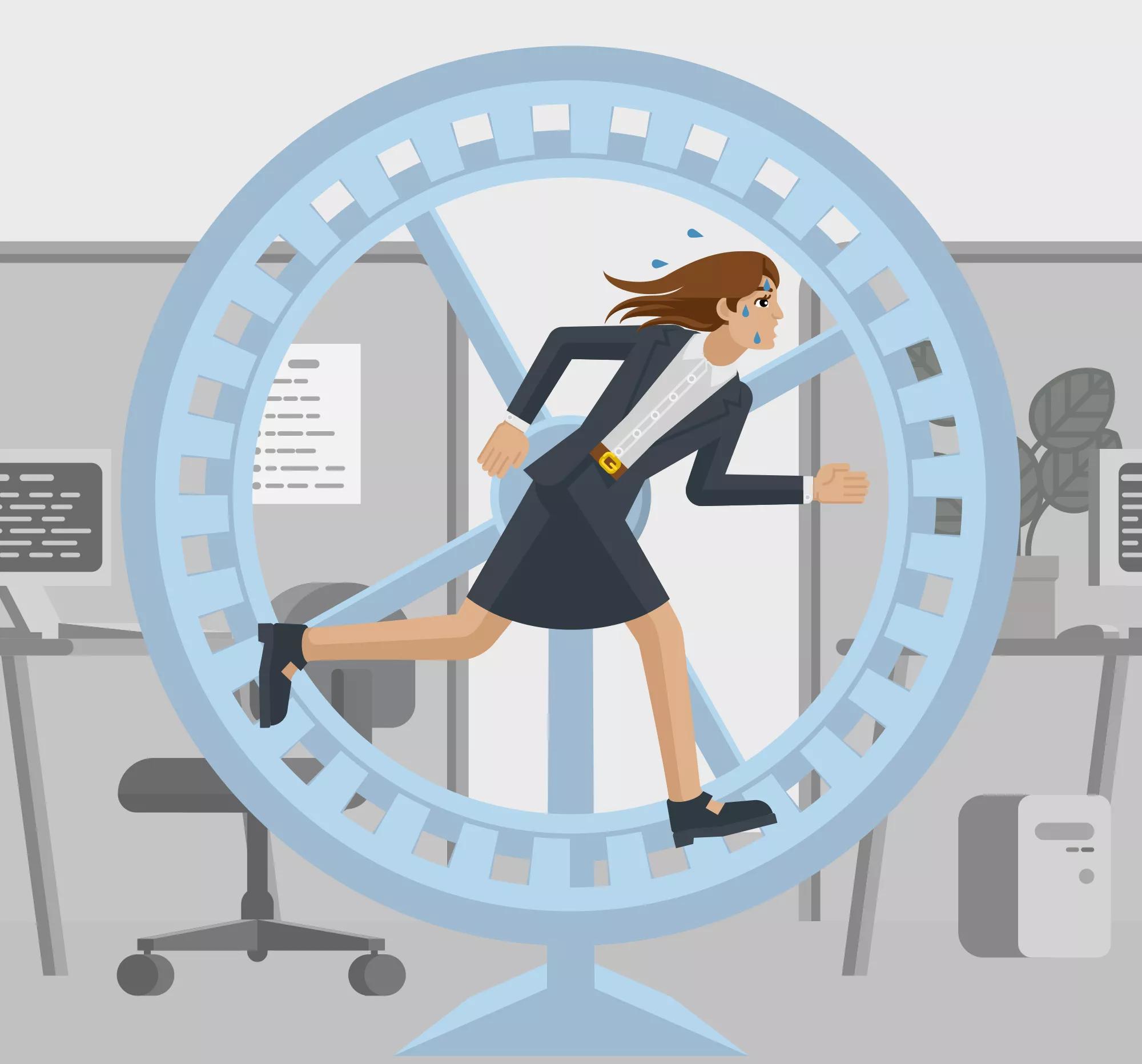
Learning management system (LMS) fatigue is becoming an increasingly common challenge across learning and development teams. While learning platforms are designed to support efficiency, performance, and engagement, many are now a source of daily friction—adding to workloads, fragmenting efforts, and making it more difficult to demonstrate value.
The symptoms appear gradually. Disconnected systems, redundant tools, and manual administrative tasks begin to outweigh the benefits. What starts as a solution can evolve into a bottleneck, slowing progress rather than supporting it.
This fatigue is not always rooted in outdated systems or a lack of innovation. Often, it stems from misalignment. Learning systems are implemented without clearly defined goals, operate in isolation from business strategy, and fall short in supporting collaboration or meaningful measurement. According to Research.com, poor integration with other digital platforms (52 percent) and subpar user experience (51 percent) are among the top barriers to LMS satisfaction. These issues make progress feel out of reach, even for capable, well-resourced teams.
Identifying the Root Causes
LMS fatigue is rarely the result of one issue. It tends to emerge from the broader learning ecosystem: siloed efforts, unclear objectives, disconnected tools, and a lack of shared ownership across departments. Without strategic alignment, learning can begin to feel like an isolated function rather than a driver of business performance.
A fragmented system often leads to duplicated effort, low learner engagement, and mounting administrative overhead. Over time, this contributes to disengagement among learning professionals themselves—turning what should be a strategic role into a reactive one.
Realigning the Learning Function
Addressing LMS fatigue begins with rethinking the system’s role within the organization. Rather than viewing the LMS as a static platform for delivering content, learning professionals can reposition it as a business tool—one that enables collaboration, supports decision making, and contributes to performance outcomes.
There are several practical steps that can help move in this direction:
Connect and collaborate across internal teams. Learning systems benefit from broad collaboration. Engaging teams across HR, operations, IT, and departmental leadership helps identify overlapping systems, clarify shared goals, and reveal opportunities for alignment. Strong internal partnerships make learning more relevant and scalable.
Align learning objectives with business objectives. When learning is directly tied to measurable outcomes—such as time to proficiency, employee retention, or customer satisfaction—it gains visibility and strategic weight. Research from Bridge shows that organizations that view L&D as a value creator are twice as likely to assess learning through performance improvement rather than participation alone. Without that connection, teams risk investing effort without insight, which can lead to burnout.
Streamline systems to reduce friction. Many teams find themselves managing bloated tech stacks with overlapping functionality. Consolidating tools, simplifying workflows, and automating recurring tasks can significantly reduce the burden on administrators and learners. A simplified system often leads to stronger engagement and greater overall effectiveness.
Looking Ahead
These shifts require thoughtful planning and an openness to change. Reassessing legacy processes, re-establishing metrics, and building new internal partnerships take time. But the impact is clear. When systems are streamlined, aligned, and integrated into the flow of work, learning becomes more accessible, more effective, and easier to manage.
Ultimately, an LMS is not just a delivery mechanism—it is a reflection of how an organization values and supports learning. Breaking the cycle of fatigue starts with a willingness to step back, re-evaluate, and build forward with intention.
When done well, the result is not just a better system, but a more connected, data-driven, and strategic learning function—one that is positioned to grow with the business, not fall behind it.
The Seertech team will be at ATD25, both presenting and at booth #1829, sharing how organizations are rethinking their learning systems to reduce friction, strengthen cross-functional collaboration, and elevate learning’s impact across the business. Come meet us!
View Courses Recommended for You