ATD, association for talent development

ATD Blog

Communicating Effectively Through Repetition and Channels

By

Thu Dec 14 2023

Communicating Effectively Through Repetition and Channels
Loading...

Content

It’s your one-year anniversary as the HR manager for a midsized organization, and just as an employee is leaving the office complaining of the insensitivity of a manager who communicated a painful situation via email, another employee enters the office telling you that you didn’t communicate with them at all. They didn’t know about the latest policy change, benefit, or changes made years ago. More than that, they’re frustrated because changes outside the HR department aren’t being communicated effectively either—in their opinion. It’s a common occurrence for professionals at all levels.

It’s your one-year anniversary as the HR manager for a midsized organization, and just as an employee is leaving the office complaining of the insensitivity of a manager who communicated a painful situation via email, another employee enters the office telling you that you didn’t communicate with them at all. They didn’t know about the latest policy change, benefit, or changes made years ago. More than that, they’re frustrated because changes outside the HR department aren’t being communicated effectively either—in their opinion. It’s a common occurrence for professionals at all levels.

Content

Two simple changes can help reduce the complaints about poor communication—from you and the rest of the organization. By identifying the breakdowns of communications and better choosing channels, communications can be received more frequently—and without painful misunderstandings.

Two simple changes can help reduce the complaints about poor communication—from you and the rest of the organization. By identifying the breakdowns of communications and better choosing channels, communications can be received more frequently—and without painful misunderstandings.

Do Your Reps

Content

Repetition is the key to building memory, muscle, and skill. However, too few communications are repeated. It’s reminiscent of the old joke where a wife complains that her husband never tells her he loves her, and he responds, “I told you that I love you before we were married. I’ll let you know if anything changes.”

Repetition is the key to building memory, muscle, and skill. However, too few communications are repeated. It’s reminiscent of the old joke where a wife complains that her husband never tells her he loves her, and he responds, “I told you that I love you before we were married. I’ll let you know if anything changes.”

Content

We treat communications as “one and done” operations where if we’ve said it once, they should have received it, but the reality is very different. Every time we communicate, some subset of people will not receive the message. Maybe the email is buried in their inbox, the piece of postal mail was never delivered, or they were simply distracted while reading it.

We treat communications as “one and done” operations where if we’ve said it once, they should have received it, but the reality is very different. Every time we communicate, some subset of people will not receive the message. Maybe the email is buried in their inbox, the piece of postal mail was never delivered, or they were simply distracted while reading it.

Content

This necessitates that important messages be repeated if we want them to be received. The number of times that we need to repeat the message depends on the importance of the message and the reliability of the medium. Consider a situation where you want to get 95 percent of people in your organization to recall a message. Figure 1 shows how many times it will take to reach this goal based on the efficacy of the medium.

This necessitates that important messages be repeated if we want them to be received. The number of times that we need to repeat the message depends on the importance of the message and the reliability of the medium. Consider a situation where you want to get 95 percent of people in your organization to recall a message. Figure 1 shows how many times it will take to reach this goal based on the efficacy of the medium.

Content

Figure 1 – Number of messages by efficacy to reach 95 percent penetration
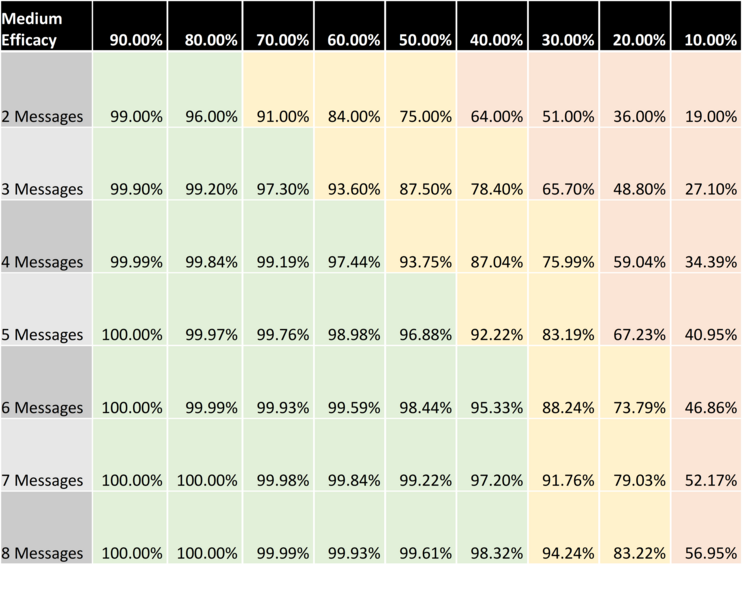
Figure 1 – Number of messages by efficacy to reach 95 percent penetration

Communicating Effectively Through Repetition and Channels -Bogue_Figure 1_Number of messages by efficacy to reach 95 percent penetration.png

Content

What’s striking about our communications is that while we believe that channels are 100 percent effective, we know this isn’t the truth. To understand how many messages must be sent to achieve the targeted understanding level, we must first acknowledge that the approaches that we use to communicate are often ineffective. Marketers believe that a 30 percent open rate for emails is good—and if your email efficacy is less than 30 percent, you’ll need more than eight messages to reach a 95 percent message penetration target.

What’s striking about our communications is that while we believe that channels are 100 percent effective, we know this isn’t the truth. To understand how many messages must be sent to achieve the targeted understanding level, we must first acknowledge that the approaches that we use to communicate are often ineffective. Marketers believe that a 30 percent open rate for emails is good—and if your email efficacy is less than 30 percent, you’ll need more than eight messages to reach a 95 percent message penetration target.

Content

Pause for a moment and consider how many of your messages you communicate eight times or more. How many messages are so important that you’ll virtually ensure that the message makes it through? For most people in most organizations, the number of things that rise to this level is small. While we believe everyone should know, we silently know that we’re not doing what it takes for that to happen.

Pause for a moment and consider how many of your messages you communicate eight times or more. How many messages are so important that you’ll virtually ensure that the message makes it through? For most people in most organizations, the number of things that rise to this level is small. While we believe everyone should know, we silently know that we’re not doing what it takes for that to happen.

Content

Unfortunately, multiple messages on the same topic can lead to annoyance as people wonder why they’re still being communicated about an item that they already know about. This can lead to resistance to future messages. As more messages feel like noise rather than new useful information, employees will start to increase their degree of filtering and make it even harder for you to communicate. Consider the scenario in Figure 2, where a message is communicated across multiple channels.

Unfortunately, multiple messages on the same topic can lead to annoyance as people wonder why they’re still being communicated about an item that they already know about. This can lead to resistance to future messages. As more messages feel like noise rather than new useful information, employees will start to increase their degree of filtering and make it even harder for you to communicate. Consider the scenario in Figure 2, where a message is communicated across multiple channels.

Content

Figure 2 – A multichannel communication strategy
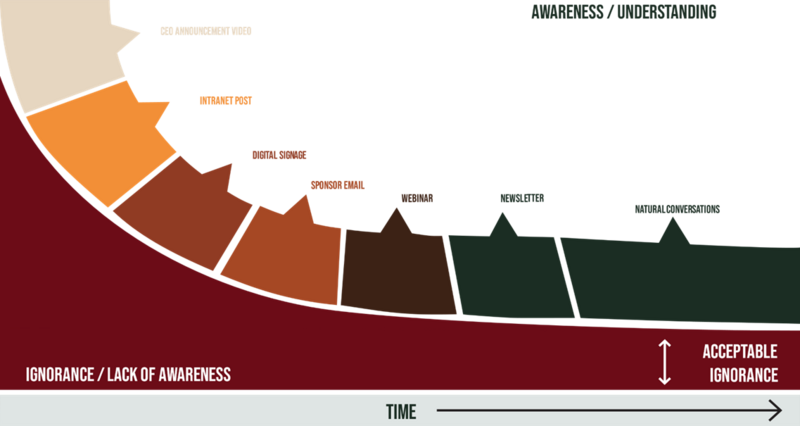
Figure 2 – A multichannel communication strategy

Communicating Effectively Through Repetition and Channels -Bogue_Figure 2_A multichannel communication strategy.png

Content

This multichannel strategy quickly decreases the percentage of people who aren’t aware of the information but ultimately plateaus at a level of acceptable ignorance–five percent in our example. Continuing to reach for no ignorance will require exponentially more communication effort, including same-channel repetition, and will ultimately end up annoying employees and causing them to further ignore communications.

This multichannel strategy quickly decreases the percentage of people who aren’t aware of the information but ultimately plateaus at a level of acceptable ignorance–five percent in our example. Continuing to reach for no ignorance will require exponentially more communication effort, including same-channel repetition, and will ultimately end up annoying employees and causing them to further ignore communications.

Content

A common problem with corporate communications is deciding that you must reach everyone and thereby entering a cycle where you overcommunicate; they listen to each message less, requiring more communication to penetrate the barriers to what they perceive as noise. A multichannel strategy can help vary the message and approach to limit these effects, if you can pick the right channels.

A common problem with corporate communications is deciding that you must reach everyone and thereby entering a cycle where you overcommunicate; they listen to each message less, requiring more communication to penetrate the barriers to what they perceive as noise. A multichannel strategy can help vary the message and approach to limit these effects, if you can pick the right channels.

Choosing Channels

Content

Picking the right channels to use when communicating can be overwhelming. Perhaps that’s why we settle into the same routine of less than five ways we prefer to communicate with employees. Figure 3 shows 27 different options for communications–and it’s incomplete.

Picking the right channels to use when communicating can be overwhelming. Perhaps that’s why we settle into the same routine of less than five ways we prefer to communicate with employees. Figure 3 shows 27 different options for communications–and it’s incomplete.

Content

Figure 3 – 27 Options for communications channels
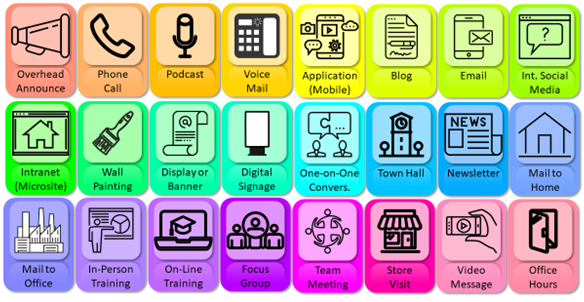
Figure 3 – 27 Options for communications channels

Communicating Effectively Through Repetition and Channels -Bogue_Figure 3_27 Options for communications channels.png

Content

To determine how to best choose a channel for efficacy, we need a framework—a set of criteria. Channels are well-suited for some communications and ill-suited for others. For example, imagine reading War and Peace via X (formerly known as Twitter). Choosing the right channel can mean the difference between understanding and ignorance or frustration.

To determine how to best choose a channel for efficacy, we need a framework—a set of criteria. Channels are well-suited for some communications and ill-suited for others. For example, imagine reading War and Peace via X (formerly known as Twitter). Choosing the right channel can mean the difference between understanding and ignorance or frustration.

Criteria

Content

Creating categories for selecting a channel allows us to evaluate our objectives and match those objectives to the channel that helps us be the most effective. In Figure 4, we propose five prototypical categories that often work well to simplify the channel decision. They are:

Creating categories for selecting a channel allows us to evaluate our objectives and match those objectives to the channel that helps us be the most effective. In Figure 4, we propose five prototypical categories that often work well to simplify the channel decision. They are:

  • Content

    Direction – Will the communication be one-way, or do you need something more interactive?

    Direction – Will the communication be one-way, or do you need something more interactive?

  • Content

    Scale – Will you be speaking to one, a few, or many people?

    Scale – Will you be speaking to one, a few, or many people?

  • Content

    Sensitivity – Is the topic of communication not at all sensitive, somewhat sensitive, or highly sensitive?

    Sensitivity – Is the topic of communication not at all sensitive, somewhat sensitive, or highly sensitive?

  • Content

    Purpose – Is the purpose to inform, educate, persuade, or support?

    Purpose – Is the purpose to inform, educate, persuade, or support?

  • Content

    Urgency – Is the communication urgent, timely, or eternal? Said differently, are you notifying them the building is on fire, there’s a picnic next week, or about the history of the organization?

    Urgency – Is the communication urgent, timely, or eternal? Said differently, are you notifying them the building is on fire, there’s a picnic next week, or about the history of the organization?

Content

Figure 4 – Categories for selecting channels
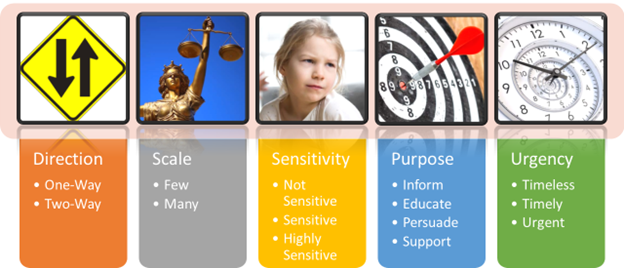
Figure 4 – Categories for selecting channels

Communicating Effectively Through Repetition and Channels -Bogue_Figure 4_Categories for selecting channels.png

Content

Your criteria may differ slightly from the preceding based on your organization’s unique needs or structure. However, fundamentally, communicators need a way to select from a variety of channels, or they’ll default to the easy channels that they already know.

Your criteria may differ slightly from the preceding based on your organization’s unique needs or structure. However, fundamentally, communicators need a way to select from a variety of channels, or they’ll default to the easy channels that they already know.

Content

For each combination of criteria and values, there exists a set of effective communications channels, and often one that is particularly suited to the conditions exposed by selecting the criteria and options. One way of expressing the best channel for a set of criteria is a fan chart, as shown in Figure 5. It has criteria progressively listed from the center, with the edges showing the ideal communications channel. It’s not that communicators must use that channel but rather that it seems ideal for the conditions.

For each combination of criteria and values, there exists a set of effective communications channels, and often one that is particularly suited to the conditions exposed by selecting the criteria and options. One way of expressing the best channel for a set of criteria is a fan chart, as shown in Figure 5. It has criteria progressively listed from the center, with the edges showing the ideal communications channel. It’s not that communicators must use that channel but rather that it seems ideal for the conditions.

Content

Figure 5 – Populated fan chart with channels by criteria
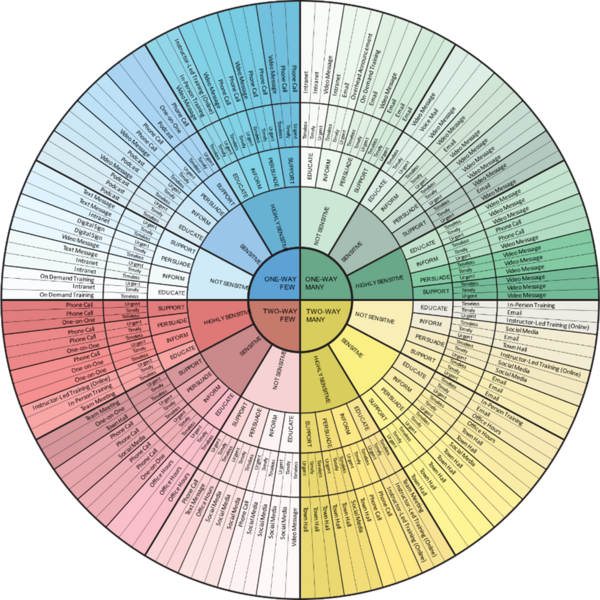
Figure 5 – Populated fan chart with channels by criteria

Communicating Effectively Through Repetition and Channels -Bogue_Figure 5_Populated fan chart with channels by criteria.png

Content

Armed with the criteria, channels, and mapping, everyone in the organization can make informed decisions about the best channel to communicate with–thereby increasing the chances of effective communication.

Armed with the criteria, channels, and mapping, everyone in the organization can make informed decisions about the best channel to communicate with–thereby increasing the chances of effective communication.

With Repetition and Choice

Content

Armed with the realization that we must communicate more than once if we expect everyone to hear the message, and an awareness of the channels that we can use to vary the message while remaining true to the core, we can ensure that an acceptable number of people are informed. We can reduce the number of people frustrated because the wrong channel was chosen. We can reduce the number of people who just “don’t know.” And importantly, we can do this without annoying the rest of the people in the organization.

Armed with the realization that we must communicate more than once if we expect everyone to hear the message, and an awareness of the channels that we can use to vary the message while remaining true to the core, we can ensure that an acceptable number of people are informed. We can reduce the number of people frustrated because the wrong channel was chosen. We can reduce the number of people who just “don’t know.” And importantly, we can do this without annoying the rest of the people in the organization.

You've Reached ATD Member-only Content

Become an ATD member to continue

Already a member?Sign In


Copyright © 2026 ATD

ASTD changed its name to ATD to meet the growing needs of a dynamic, global profession.

Terms of UsePrivacy NoticeCookie Policy