
ATD Blog
Culture Is Not a Soft Skill. It’s an Operating System.
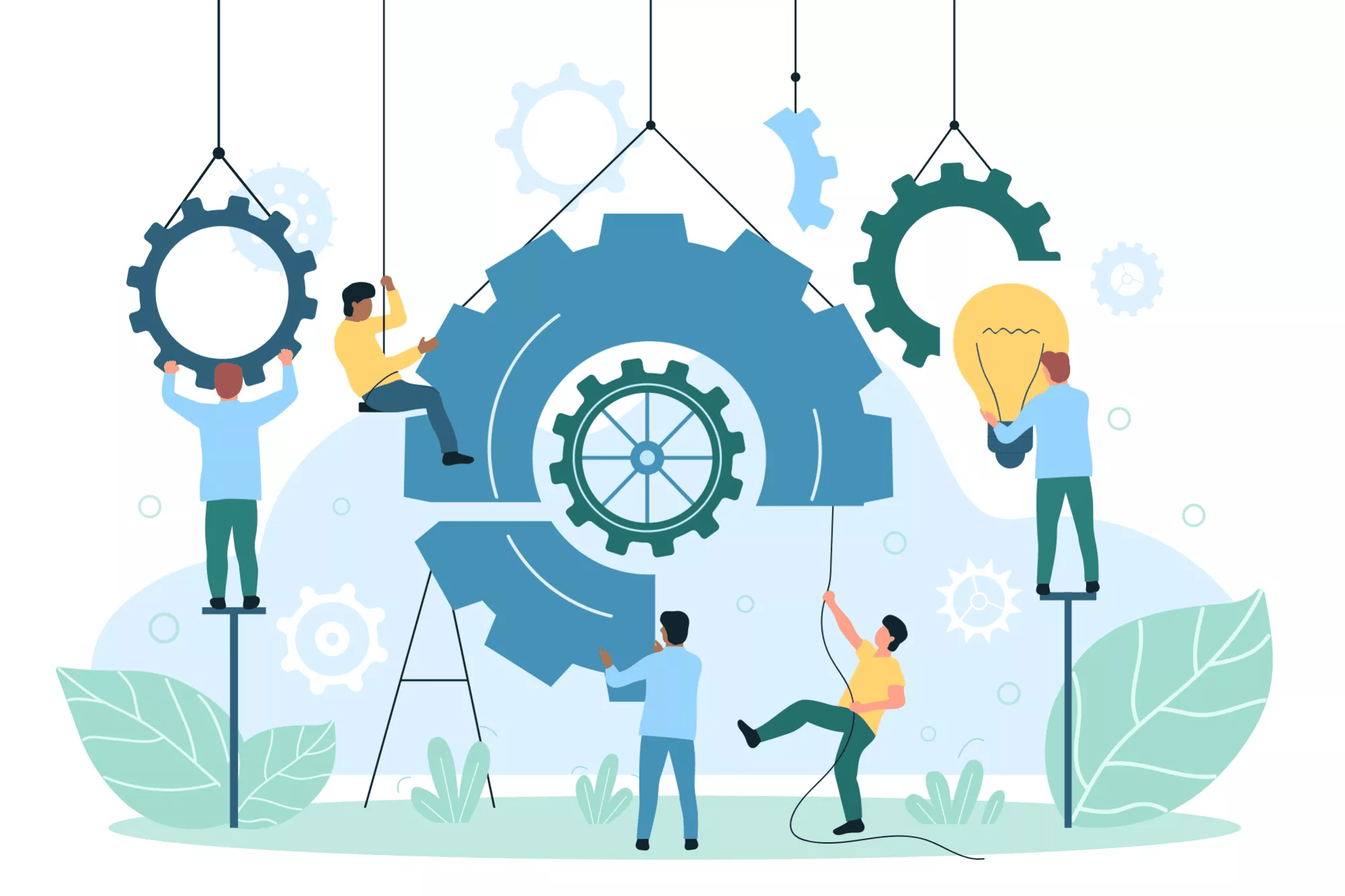
Culture is the logic by which your organization runs. Like any operating system, if it is not intentionally designed, it will eventually crash under load.
Mon Jun 08 2026
Culture is still talked about as if it were atmosphere—something leaders influence indirectly through tone, values statements, or inspirational messaging.
That framing is outdated, and it is holding organizations back.
Culture is not how work feels. It is how work functions when conditions are unclear. It is the operating system that determines how decisions are made, how conflict is handled, how priorities are set, and how people behave when no one is watching.
Calling culture “soft” does not make it less powerful. It makes it less managed.
Every organization runs on an operating system, whether it is intentional or not. In some, it is clear and coherent. In others, it is fragmented—different rules for different teams, inconsistent leadership signals, and unspoken hierarchies that override formal structure. The system still runs. It just produces unpredictable results.
This is why culture shows up so clearly during pressure. When speed matters, process falls away, and people default to norms. When trade-offs are required, values are tested. When resources are constrained, behavior reveals what the organization truly prioritizes.
Research has long supported this reality. Management thinker Peter Drucker famously argued that culture consistently overrides strategy when the two are misaligned—a pattern echoed repeatedly in modern organizational studies. When culture and systems contradict one another, culture wins because it governs behavior at scale.
Yet leaders often try to “fix” culture with surface interventions. New values. New language. New campaigns. These efforts fail because they do not address the underlying system. They ask people to behave differently without changing the conditions that shape behavior.
Operating systems work because they are explicit. They define rules, defaults, and boundaries. Intentional culture does the same. It clarifies what matters when everything matters. It establishes how decisions are made when priorities collide. It reinforces what will be rewarded—and what will not—long before pressure forces the issue.
Organizations that treat culture as infrastructure invest in it early. They embed it into how leaders are developed, how teams are formed, how goals are set, and how performance is evaluated. They understand that alignment does not come from agreement alone, but from consistency.
Gallup’s ongoing research on engagement has repeatedly shown that employees perform best when expectations are clear and leaders are consistent. That clarity does not come from motivation. It comes from systems that reinforce shared standards and reduce guesswork.
When culture is treated as an operating system, leaders stop being surprised by behavior. They stop relying on heroics to compensate for ambiguity. They stop confusing resilience with sustainability.
Most importantly, they stop waiting for failure to take culture seriously.
Culture is not a soft skill. It is the logic by which your organization runs. And like any operating system, if it is not intentionally designed, it will eventually crash under load.
The organizations that direct the future understand this. They do not ask culture to carry the weight that it was never built to support. They design it to do so—before disruption demands it.
For a deeper dive, check out my upcoming book: Transforming Teams: Build Teams That Connect, Collaborate, and Achieve.
View Courses Recommended for You