
ATD Blog
Emotional Intelligence: Can Companies Really Feel Their Way to Success?
Wed Nov 13 2013
Content
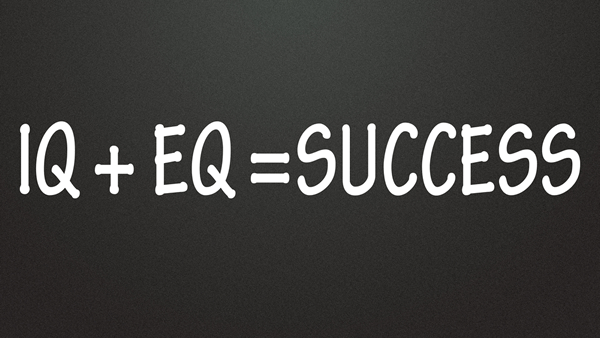
(From UNC Kenan-Flagler)- It has been nearly 25 years since Peter Solovay and John D. Mayer first used the term “emotional intelligence” to describe a different kind of intelligence that many business leaders believe is essential to achieving success in the workplace. Unlike many other business trends that have come and gone, emotional intelligence, an intelligence that involves the ability to monitor one’s own and others’ feelings and emotions and to use that information to guide one’s thinking and action, still has legs.
(From UNC Kenan-Flagler)- It has been nearly 25 years since Peter Solovay and John D. Mayer first used the term “emotional intelligence” to describe a different kind of intelligence that many business leaders believe is essential to achieving success in the workplace. Unlike many other business trends that have come and gone, emotional intelligence, an intelligence that involves the ability to monitor one’s own and others’ feelings and emotions and to use that information to guide one’s thinking and action, still has legs.
Content
Business leaders continue to use the term and value it as a key employment factor. There is also evidence that HR and talent management professionals who make increasing emotional intelligence among all employee levels a strategic organizational priority will help boost their organization’s bottom line.
Business leaders continue to use the term and value it as a key employment factor. There is also evidence that HR and talent management professionals who make increasing emotional intelligence among all employee levels a strategic organizational priority will help boost their organization’s bottom line.
Content
This white paper will:
This white paper will:
Content
discuss the different definitions of emotional intelligence
discuss the different definitions of emotional intelligence
Content
explore the benefits high levels of emotional intelligence bring to organizations
explore the benefits high levels of emotional intelligence bring to organizations
Content
examine why employees in general, but leaders in particular, could benefit from emotional intelligence development
examine why employees in general, but leaders in particular, could benefit from emotional intelligence development
Content
provide guidelines on how to improve emotional intelligence in the workplace
provide guidelines on how to improve emotional intelligence in the workplace
Content
offer examples of organizations that have used emotional intelligence training in their workplaces and their outcomes.
offer examples of organizations that have used emotional intelligence training in their workplaces and their outcomes.
Content
Read more.
Read more.