ATD, association for talent development

ATD Blog

How to Support Self-Directed Learning in a Learning Organization

By and

Thu Apr 20 2017

How to Support Self-Directed Learning in a Learning Organization
Loading...

Content

Employees must constantly learn, improve, and adapt to economic, societal, and technological changes in order to not become obsolete —mostly because the workplace continually changes work practices in an effort to be more productive or competitive. This learning can be formal, non-formal, or informal (see Van Merriënboer, Kirschner, Paas, Sloep, and Caniëls , 2009). Thus, knowledge workers , who are often the focus of workplace learning, must be able to learn informally. (As a side note: We wonder what percent of the workforce actually are knowledge workers. We have found percentages between around 20 and 40 percent, meaning that we’re still overlooking over half of the workforce when we discuss “learning in the workplace.”)

Employees must constantly learn, improve, and adapt to economic, societal, and technological changes in order to not become obsolete—mostly because the workplace continually changes work practices in an effort to be more productive or competitive. This learning can be formal, non-formal, or informal (see Van Merriënboer, Kirschner, Paas, Sloep, and Caniëls, 2009). Thus, knowledge workers, who are often the focus of workplace learning, must be able to learn informally. (As a side note: We wonder what percent of the workforce actually are knowledge workers. We have found percentages between around 20 and 40 percent, meaning that we’re still overlooking over half of the workforce when we discuss “learning in the workplace.”) 

Content

To this end, self-directed learning (SDL) is an essential competency needed by this type of employee. Rana and colleagues (2015) state that the relationship between SDL and a learning organization is symbiotic. They explain that a learning organization “learns powerfully and collectively and is continually transforming itself to better collect, manage, and use knowledge for corporate success.” This is essential from a competitiveness perspective. This symbiosis refers to the idea that an organization’s mission, vision, goals, values, culture, norms, and work environment influences the extent to which SDL take places within the organization, while SDL in the learning organization must account for fulfilling the learning needs of both the individual and the organization.

To this end, self-directed learning (SDL) is an essential competency needed by this type of employee. Rana and colleagues (2015) state that the relationship between SDL and a learning organization is symbiotic. They explain that a learning organization “learns powerfully and collectively and is continually transforming itself to better collect, manage, and use knowledge for corporate success.” This is essential from a competitiveness perspective. This symbiosis refers to the idea that an organization’s mission, vision, goals, values, culture, norms, and work environment influences the extent to which SDL take places within the organization, while SDL in the learning organization must account for fulfilling the learning needs of both the individual and the organization. 

Content

It’s quite an assumption that employees are: 1) capable of effectively directing their own learning and 2) proactive enough to do so. It’s not that easy! In this blog, we explore the role that SDL plays in today’s learning organization and how L&D can best support it.

It’s quite an assumption that employees are: 1) capable of effectively directing their own learning and 2) proactive enough to do so. It’s not that easy! In this blog, we explore the role that SDL plays in today’s learning organization and how L&D can best support it. 

What Exactly Is SDL?

Content

SDL includes knowing what you need to learn, how to learn it, and being able to judge if you’ve learned it. It assumes that learners have a role in selecting those learning tasks that fit their learning needs (Loyens, Magda, and Rikers, 2008).

SDL includes knowing what you need to learn, how to learn it, and being able to judge if you’ve learned it. It assumes that learners have a role in selecting those learning tasks that fit their learning needs (Loyens, Magda, and Rikers, 2008).  

Content

The concept of SDL originated in adult education and workplace learning, and plays an important role in on‐demand learning where learners select learning tasks and shape their own learning trajectories. Supporting the development of SDL skills has been shown to have positive learning effects in, for example, secondary vocational education (Kicken, Brand‐Gruwel, Van Merriënboer, and Slot, 2009b).
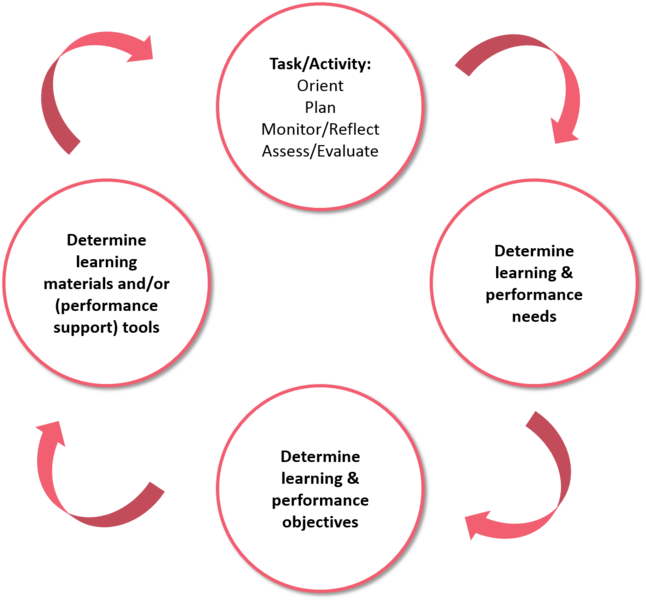
The concept of SDL originated in adult education and workplace learning, and plays an important role in on‐demand learning where learners select learning tasks and shape their own learning trajectories. Supporting the development of SDL skills has been shown to have positive learning effects in, for example, secondary vocational education (Kicken, Brand‐Gruwel, Van Merriënboer, and Slot, 2009b). 

How to Support Self-Directed Learning in a Learning Organization-edb01a23f23a907d3f1e3e9492cbdaa102cdd00cbd5019099f1f45b80c33b4c3

SDL in the Learning Organization

Content

In a learning organization, learning requirements and processes are usually not very well-structured or formally defined. Though sometimes formal intentional learning experiences might be required, employees often (need to) learn as a by-product of their work, which generally is informal.

In a learning organization, learning requirements and processes are usually not very well-structured or formally defined. Though sometimes formal intentional learning experiences might be required, employees often (need to) learn as a by-product of their work, which generally is informal.  

Content

Though the phrase “work is learning and learning is work” is quite popular (e.g., see Charles Jennings blog here and Mirjam’s discussion with Jennings at the end of his blog), it’s not that simple. For example, performance goals are often related to performance appraisals. It’s not very likely that employees are truly open to learning (as opposed to performing) if they know their bonus is not based on this. Also, completing a work project or task successfully doesn’t necessarily mean that you’ve learned anything. Something can only be defined as learning if you are able to demonstrate a behavior that you couldn’t previously carry out… again, and again, and again. You get the point. This is where SDL processes are critical as they can support the focus on actual learning as a by-product of work.

Though the phrase “work is learning and learning is work” is quite popular (e.g., see Charles Jennings blog here and Mirjam’s discussion with Jennings at the end of his blog), it’s not that simple. For example, performance goals are often related to performance appraisals. It’s not very likely that employees are truly open to learning (as opposed to performing) if they know their bonus is not based on this. Also, completing a work project or task successfully doesn’t necessarily mean that you’ve learned anything. Something can only be defined as learning if you are able to demonstrate a behavior that you couldn’t previously carry out… again, and again, and again. You get the point. This is where SDL processes are critical as they can support the focus on actual learning as a by-product of work.  

Content

Rana and colleagues explore five practices that are aimed at promoting SDL in the learning organization (see Figure 2). The explanations on the left side of the figure are added by us.

Rana and colleagues explore five practices that are aimed at promoting SDL in the learning organization (see Figure 2). The explanations on the left side of the figure are added by us. 

Content

Figure 2. Practices Aimed at Promoting SDL in the Learning Organization (Rana et al., 2015)
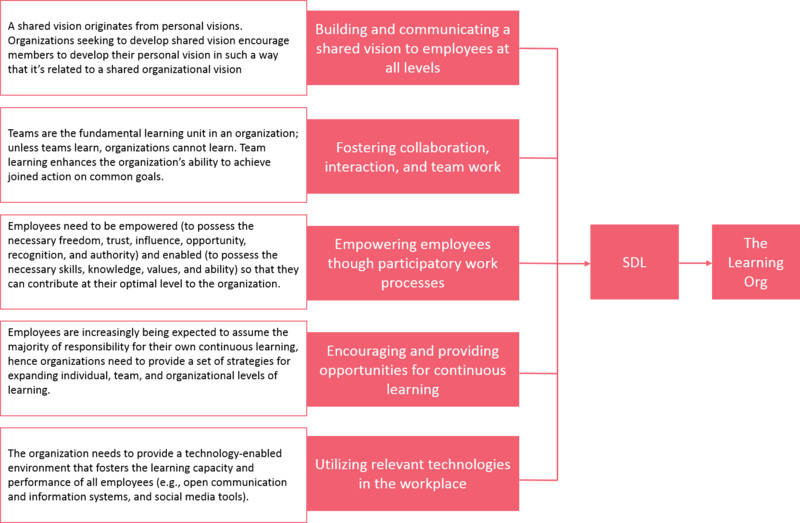
Figure 2. Practices Aimed at Promoting SDL in the Learning Organization (Rana et al., 2015)

How to Support Self-Directed Learning in a Learning Organization-415b6139d82f693195c6f1779d04c98a679fc6034d068890a380aa47ad06c1c9

How to Support SDL in the Learning Organization?

Content

Rana and colleagues don’t only outline the recommended practices to support SDL in a learning organization (as shown in Figure 2), they also give examples. In Table 1, we have aligned these examples with their suggested practices, and we have added some recommendations based on our own expertise.

Rana and colleagues don’t only outline the recommended practices to support SDL in a learning organization (as shown in Figure 2), they also give examples. In Table 1, we have aligned these examples with their suggested practices, and we have added some recommendations based on our own expertise. 

Content

Table 1. Practices and Examples on How L&D Can Support a Learning Organization

Table 1. Practices and Examples on How L&D Can Support a Learning Organization

Content

Content

Content

Practices

Practices

Content

How can L&D support this practice in the workplace

How can L&D support this practice in the workplace

Content

Building and communicating a shared vision to employees at all levels

Building and communicating a shared vision to employees at all levels

Content

Clearly communicate organizational goals and needs.

Clearly communicate organizational goals and needs.

Content

Make procedures and expectations that are associated with the goals of the learning organization transparent by clearly communicating and providing access to these rules, norms, and expectations.

Make procedures and expectations that are associated with the goals of the learning organization transparent by clearly communicating and providing access to these rules, norms, and expectations.

Content

Design processes/strategies that help managers and employees to:

Design processes/strategies that help managers and employees to:

Content

align learning goals to organizational needs

align learning goals to organizational needs

Content

relate organizational needs to work-related tasks

relate organizational needs to work-related tasks

Content

analyze projects and/or tasks within those needs

analyze projects and/or tasks within those needs

Content

identify learning opportunities within them.

identify learning opportunities within them.

Content

Help managers and employees identify if their goals are sufficiently challenging.

Help managers and employees identify if their goals are sufficiently challenging.

Content

Fostering collaboration, interaction, and team work

Fostering collaboration, interaction, and team work

Content

Design work tasks that foster collaboration, teamwork, and shared responsibility.

Design work tasks that foster collaboration, teamwork, and shared responsibility.

Content

Create a climate of mutual respect, collaboration, and support so that individuals are willing to share with others.

Create a climate of mutual respect, collaboration, and support so that individuals are willing to share with others.

Content

Encourage employees to network and communicate with their colleagues in order to exchange ideas and perspectives, gather relevant data and information, and expand their skills and expertise.

Encourage employees to network and communicate with their colleagues in order to exchange ideas and perspectives, gather relevant data and information, and expand their skills and expertise.

Content

Enrich members’ sense of belonging to these communities by encouraging the exchange of ideas and information, creating time and space for sharing stories and expertise.

Enrich members’ sense of belonging to these communities by encouraging the exchange of ideas and information, creating time and space for sharing stories and expertise.

Content

Set up ways to share challenging projects and tasks so that employees can get assigned appropriate ones that support achieving their learning goals.

Set up ways to share challenging projects and tasks so that employees can get assigned appropriate ones that support achieving their learning goals.

Content

Set up a mentor structure. Mentors can help employees to identify learning opportunities and strategies.

Set up a mentor structure. Mentors can help employees to identify learning opportunities and strategies.

Content

Support employees in discussing how they pursue their learning goals with their peers. This can help them rely on their peers’ successful learning activities as guidance for their own.

Support employees in discussing how they pursue their learning goals with their peers. This can help them rely on their peers’ successful learning activities as guidance for their own.

Content

Empowering employees through participatory work processes

Empowering employees through participatory work processes

Content

Provide employees with information, rewards, job-related knowledge, and authority to go about doing their work.

Provide employees with information, rewards, job-related knowledge, and authority to go about doing their work.

Content

Use a participative leadership style and delegate responsibility to employees.

Use a participative leadership style and delegate responsibility to employees.

Content

Enhance employee participation in the developing, planning, and evaluating their personal learning projects

Enhance employee participation in the developing, planning, and evaluating their personal learning projects

Content

Facilitate learning, including asking thought-provoking questions, to encourage employees to derive their own solutions, transferring ownership to them, and serving as valuable resources to them

Facilitate learning, including asking thought-provoking questions, to encourage employees to derive their own solutions, transferring ownership to them, and serving as valuable resources to them

Content

Enable employees to take self-directed actions and create an environment for ownership, supporting members in being responsible for their own performance, transferring ownership for work to relevant employees, and coaching the development of individual capability and competence.

Enable employees to take self-directed actions and create an environment for ownership, supporting members in being responsible for their own performance, transferring ownership for work to relevant employees, and coaching the development of individual capability and competence.

Content

Encouraging and providing opportunities for continuous learning

Encouraging and providing opportunities for continuous learning

Content

Support a culture that accepts errors and mistakes allowing employees to take risks.

Support a culture that accepts errors and mistakes allowing employees to take risks.

Content

Provide resources that help managers and employees create durable and flexible access to important information (e.g., through feeds, curation).

Provide resources that help managers and employees create durable and flexible access to important information (e.g., through feeds, curation).

Content

Provide resources that explain general effective learning strategies, such as spaced and variable practice.

Provide resources that explain general effective learning strategies, such as spaced and variable practice.

Content

Encourage experimentation, recognizing and praising learners, rewarding learning, spreading the word about new learnings, and applying new learnings in different places throughout the organization.

Encourage experimentation, recognizing and praising learners, rewarding learning, spreading the word about new learnings, and applying new learnings in different places throughout the organization.

Content

Recognize individual differences and understand employees’ career goals, performance expectations, and development needs.

Recognize individual differences and understand employees’ career goals, performance expectations, and development needs.

Content

Support employees finding ways to self-assess (e.g., in collaboration with their peers).

Support employees finding ways to self-assess (e.g., in collaboration with their peers).

Content

Suggest ways for employees to track their project or task progress (e.g., through logs) including things like “don’t focus just on outcome, also on process!”

Suggest ways for employees to track their project or task progress (e.g., through logs) including things like “don’t focus just on outcome, also on process!”

Content

Design strategies to implement and support a culture of feedback (from peers, manager, mentor, and clients).

Design strategies to implement and support a culture of feedback (from peers, manager, mentor, and clients).

Content

Help managers and employees plan conscious time to reflect (self and with others) continuously on progress (e.g., they can use set points in time, such as mid- or after project to reflect on outcome and process).

Help managers and employees plan conscious time to reflect (self and with others) continuously on progress (e.g., they can use set points in time, such as mid- or after project to reflect on outcome and process).

Content

Use relevant technologies

Use relevant technologies

Content

Promote SDL by designing seminars, webinars, and e-learning modules that provide opportunities to customise learning.

Promote SDL by designing seminars, webinars, and e-learning modules that provide opportunities to customise learning.

Content

Build a technological infrastructure and platforms on which employees can engage in SDL.

Build a technological infrastructure and platforms on which employees can engage in SDL.

Content

Provide training on the use of digital tools and strive to obtain feedback from members for the purpose of improving access and ease of use of these tools.

Provide training on the use of digital tools and strive to obtain feedback from members for the purpose of improving access and ease of use of these tools.

Content

Use what’s out there, such as MOOCs, online platforms (e.g., Moodle, Google Docs, Wikispaces), content curation tools, and so forth.

Use what’s out there, such as MOOCs, online platforms (e.g., Moodle, Google Docs, Wikispaces), content curation tools, and so forth.

Content

As we can see in the table, a lot can be done to support SDL in a learning organization, but it’s far from simple. One of the main challenges is that learners can be easily misled as to whether learning has been achieved. This will make them overconfident and unable to assess their own learning and performance effectively. Also, what people tend to believe about activities that are and aren’t effective for learning are (very!) often at odds with reality. To that point, learning professionals in the workplace have a critical role to play in order to support employees in applying effective SDL strategies.

As we can see in the table, a lot can be done to support SDL in a learning organization, but it’s far from simple. One of the main challenges is that learners can be easily misled as to whether learning has been achieved. This will make them overconfident and unable to assess their own learning and performance effectively. Also, what people tend to believe about activities that are and aren’t effective for learning are (very!) often at odds with reality. To that point, learning professionals in the workplace have a critical role to play in order to support employees in applying effective SDL strategies.

Content

SDL is a tough nut to crack, but it has to be done—even if only through baby steps!

SDL is a tough nut to crack, but it has to be done—even if only through baby steps!

References

  • Content

    Kicken, W., Brand-Gruwel, S., Van Merriënboer, J. J. G., & Slot, W. (2009). The effects of portfolio-based advice on the development of self-directed learning skills in secondary vocational education. Educational Technology Research and Development 57 , 439-460.

    Kicken, W., Brand-Gruwel, S., Van Merriënboer, J. J. G., & Slot, W. (2009). The effects of portfolio-based advice on the development of self-directed learning skills in secondary vocational education. Educational Technology Research and Development 57, 439-460.  

  • Content

    Loyens, S. M. M., Magda, J., & Rikers, R. M. J. P. (2008). Self-directed learning in problem-based learning and its relationships with self-regulated learning. Educational Psychology Review, 20 , 411-427.

    Loyens, S. M. M., Magda, J., & Rikers, R. M. J. P. (2008). Self-directed learning in problem-based learning and its relationships with self-regulated learning. Educational Psychology Review, 20, 411-427. 

  • Content

    Rana, S., Ardichvili, A., & Poesello, D. (2016). Promoting self-directed learning in a learning organization: tools and practices. European Journal of Training and Development, 40 , 470-489.

    Rana, S., Ardichvili, A., & Poesello, D. (2016). Promoting self-directed learning in a learning organization: tools and practices. European Journal of Training and Development, 40, 470-489. 

  • Content

    Saks, K., & Leijen, A., (2014). Distinghuishing self-directed and self-regulated learning and measuring them in the e-learning context. Procedia – Social and Behavioral Sciences, 112 , 190-198.

    Saks, K., & Leijen, A., (2014). Distinghuishing self-directed and self-regulated learning and measuring them in the e-learning context. Procedia – Social and Behavioral Sciences, 112, 190-198. 

  • Content

    Tousignant, M., & DesMarchais, J. E. (2002). Accuracy of student self-assessment ability compared to their own performance in a problem-based learning medical program: a correlation study. Advances in Health Science Education Theory and Practice, 7 , 19-27.

    Tousignant, M., & DesMarchais, J. E. (2002). Accuracy of student self-assessment ability compared to their own performance in a problem-based learning medical program: a correlation study. Advances in Health Science Education Theory and Practice, 7, 19-27. 

  • Content

    Van Merriënboer, J. J. G., & Sluijsmans, D. M. A. (2009). Toward a synthesis of cognitive load theory, four-component instructional design, and self-directed learning. Educational Psychology Review, 21 , 55-66.

    Van Merriënboer, J. J. G., & Sluijsmans, D. M. A. (2009). Toward a synthesis of cognitive load theory, four-component instructional design, and self-directed learning. Educational Psychology Review, 21, 55-66. 

  • Content

    Van Merriënboer, J. J. G., Kirschner, P. A., Paas, F., Sloep, P. B., & Caniëls, M. C. J. (2009). Towards an integrated approach for research on lifelong learning. Educational Technology Magazine, 49 (3), 3-15.

    Van Merriënboer, J. J. G., Kirschner, P. A., Paas, F., Sloep, P. B., & Caniëls, M. C. J. (2009). Towards an integrated approach for research on lifelong learning. Educational Technology Magazine, 49(3), 3-15. 

Content

Editor’s Note: This blog was originally posted on 3starlearningexperiences , a blog that aims to present learning professionals with evidence-informed ideas on how to make both the instructional and the learning experience more effective, efficient, and enjoyable.

Editor’s Note: This blog was originally posted on 3starlearningexperiences, a blog that aims to present learning professionals with evidence-informed ideas on how to make both the instructional and the learning experience more effective, efficient, and enjoyable.

You've Reached ATD Member-only Content

Become an ATD member to continue

Already a member?Sign In


Copyright © 2026 ATD

ASTD changed its name to ATD to meet the growing needs of a dynamic, global profession.

Terms of UsePrivacy NoticeCookie Policy