
ATD Blog
Ignition: The Light and Dark Sides of What Drives Us
Fri Jun 26 2020

Content
Companies like to hire driven candidates. As a former global human resources (HR) executive, I oversaw hiring, competency model development, performance management, compensation, and succession planning, to name a few areas—the concept of drive was woven through all of these.
Companies like to hire driven candidates. As a former global human resources (HR) executive, I oversaw hiring, competency model development, performance management, compensation, and succession planning, to name a few areas—the concept of drive was woven through all of these.
Content
Drive was viewed as so critical that it could eclipse all other attributes and even compel talent managers to overlook dubious behavior. As one head of sales told me of his team members, “I’d rather peel them off the ceiling than have to push them up a hill. I’ll deal with whatever comes with it.” Terms like go-getter, hard-charger, and workhorse were used to describe those who seemed compelled to reach high levels of achievement. And we wanted to hire them.
Drive was viewed as so critical that it could eclipse all other attributes and even compel talent managers to overlook dubious behavior. As one head of sales told me of his team members, “I’d rather peel them off the ceiling than have to push them up a hill. I’ll deal with whatever comes with it.” Terms like go-getter, hard-charger, and workhorse were used to describe those who seemed compelled to reach high levels of achievement. And we wanted to hire them.
Content
But the sources of drive—what I’ll call ignition—varies and are deep-seated. By understanding ignition and getting the keys, we can become better and smarter leaders; we can understand our motivations and those of our teams and manage accordingly. I’ve outlined what some theorists say serves as the basis for ignition and a handful of archetypes to further explain the light and dark sides of what drives us.
But the sources of drive—what I’ll call ignition—varies and are deep-seated. By understanding ignition and getting the keys, we can become better and smarter leaders; we can understand our motivations and those of our teams and manage accordingly. I’ve outlined what some theorists say serves as the basis for ignition and a handful of archetypes to further explain the light and dark sides of what drives us.
Content
While many organizations believe that compensation is the best lever for increasing motivation levels, research does not bear this out. Pay alone does not lead to higher levels of motivation. If you give someone more money, their output will not increase commensurately.
While many organizations believe that compensation is the best lever for increasing motivation levels, research does not bear this out. Pay alone does not lead to higher levels of motivation. If you give someone more money, their output will not increase commensurately.
Content
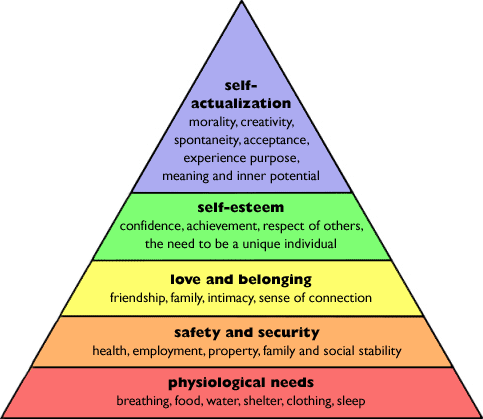
Abraham Maslow, a pre-eminent American psychologist, developed a hierarchical framework for defining human motivations:
Abraham Maslow, a pre-eminent American psychologist, developed a hierarchical framework for defining human motivations:
Content
The top-tier, self-actualization, fulfilled what he termed growth needs, a means for finding purpose and mastery. Growth needs are more intrinsic, where ignition comes from within. Maslow classified the bottom four tiers as “deficiency needs,” or extrinsic needs you seek to fulfill because they’ve been insufficiently satisfied. These can be viewed as the light and dark sides of drive: the light characterized by curiosity-seeking, learning, stimulation and the dark sparked by fears, such as the fear of failure, rejection, or shame.
The top-tier, self-actualization, fulfilled what he termed growth needs, a means for finding purpose and mastery. Growth needs are more intrinsic, where ignition comes from within. Maslow classified the bottom four tiers as “deficiency needs,” or extrinsic needs you seek to fulfill because they’ve been insufficiently satisfied. These can be viewed as the light and dark sides of drive: the light characterized by curiosity-seeking, learning, stimulation and the dark sparked by fears, such as the fear of failure, rejection, or shame.
Content
It is naïve to believe that, in the corporate world, our employees operate from the light side and find their sense of life’s purpose in the organizational mission. Few have reached the level of self-actualization, and it is not likely that their raison d’etre (reason or justification for existence) magically aligns to the company’s mission. More likely, most of the drive we see in individuals is on the dark side. They are seeking approval, status, security, belonging, and respect.
It is naïve to believe that, in the corporate world, our employees operate from the light side and find their sense of life’s purpose in the organizational mission. Few have reached the level of self-actualization, and it is not likely that their raison d’etre (reason or justification for existence) magically aligns to the company’s mission. More likely, most of the drive we see in individuals is on the dark side. They are seeking approval, status, security, belonging, and respect.
Content | Content |
Content Light Side (Intrinsic, Curiosity-Based) Light Side (Intrinsic, Curiosity-Based) | Content Dark Side (Extrinsic, Fear-Based) Dark Side (Extrinsic, Fear-Based) |
Content Learning Mastery Stimulation Purpose Learning Mastery Stimulation Purpose | Content Approval Belonging, Affiliation Status Security Approval Belonging, Affiliation Status Security |
Content It may be helpful to frame these as archetypes. I’ve developed several to familiarize leaders and talent managers with the various types of ignition and the potential implications for each: It may be helpful to frame these as archetypes. I’ve developed several to familiarize leaders and talent managers with the various types of ignition and the potential implications for each: |
Content
The Evolved : The only archetype representing the light side of drive. This one is seeking mastery and purpose as well as pursuing curiosity. If you can align their purpose with the company’s, they will provide creative, expansive thinking to organizational obstacles.
The Evolved: The only archetype representing the light side of drive. This one is seeking mastery and purpose as well as pursuing curiosity. If you can align their purpose with the company’s, they will provide creative, expansive thinking to organizational obstacles.
Content
The Climber : The status seeker desires recognition and respect. They generally want high-profile work, visibility within the organization and with senior leadership, and public accolades.
The Climber: The status seeker desires recognition and respect. They generally want high-profile work, visibility within the organization and with senior leadership, and public accolades.
Content
The Competitor : They want power and have a strong need to be right and the best. They respond to aggressive goals, contests, and clear rewards.
The Competitor: They want power and have a strong need to be right and the best. They respond to aggressive goals, contests, and clear rewards.
Content
The Pleaser : They are seeking approval, affiliation, and belonging. The pleaser is motivated by strong connections with others and frequent praise from the boss about the quality of their work and helpfulness to teammates.
The Pleaser: They are seeking approval, affiliation, and belonging. The pleaser is motivated by strong connections with others and frequent praise from the boss about the quality of their work and helpfulness to teammates.
Content
The Safety Net : This employee takes action to create security and avoids risk. They need to be reassured they are an important member of the team and want to work in a more stable environment (think large, traditional company versus a start-up). They may want to do more routinized work in which challenges require a more tried-and-true approach.
The Safety Net: This employee takes action to create security and avoids risk. They need to be reassured they are an important member of the team and want to work in a more stable environment (think large, traditional company versus a start-up). They may want to do more routinized work in which challenges require a more tried-and-true approach.
Content
Those who appear to be motivated by money may be using it as a proxy for one of the other ignitions. It depends on what money means to them. For example, does money help increase their status or allow them to purchase status symbols (house, car, boat)? Does it garner approval from others? Does it satiate a need for financial security? In my HR roles, I had many conversations about money, but it quickly became clear that the money was a stand-in for the real issue: fairness, respect, recognition, security.
Those who appear to be motivated by money may be using it as a proxy for one of the other ignitions. It depends on what money means to them. For example, does money help increase their status or allow them to purchase status symbols (house, car, boat)? Does it garner approval from others? Does it satiate a need for financial security? In my HR roles, I had many conversations about money, but it quickly became clear that the money was a stand-in for the real issue: fairness, respect, recognition, security.
Content
Talent managers who understand the various types of ignition and the associated levers will have a more nuanced view of their team members. Here are three ways to tease out the ignition for employees:
Talent managers who understand the various types of ignition and the associated levers will have a more nuanced view of their team members. Here are three ways to tease out the ignition for employees:
Content
1. Ask Them: This is the most direct way to determine what drives your employees. Talent managers can train leaders to talk with direct reports individually, and talent leaders can survey the organization to determine the key levers. This will give you some information but only as much as the employees are aware of themselves.
1. Ask Them: This is the most direct way to determine what drives your employees. Talent managers can train leaders to talk with direct reports individually, and talent leaders can survey the organization to determine the key levers. This will give you some information but only as much as the employees are aware of themselves.
Content
2. Observe Their Behavior: Watch for cues. An employee who seems to be energized by public praise and recognition could be a pleaser, while another who always wants to win is likely a competitor.
2. Observe Their Behavior: Watch for cues. An employee who seems to be energized by public praise and recognition could be a pleaser, while another who always wants to win is likely a competitor.
Content
3. Consider Their Work Preferences: Look at the type of work they seem to gravitate toward. Those who volunteer for highly visible projects may be climbers. One who favors steady, procedural work may be a safety net.
3. Consider Their Work Preferences: Look at the type of work they seem to gravitate toward. Those who volunteer for highly visible projects may be climbers. One who favors steady, procedural work may be a safety net.
Content
It will require some more keen observation and conversations with team members to understand what is most important to them. Once they have a deeper sense of what instigates drive, they can engage each of them in more specific, individual ways. They’ll have the keys to the ignition.
It will require some more keen observation and conversations with team members to understand what is most important to them. Once they have a deeper sense of what instigates drive, they can engage each of them in more specific, individual ways. They’ll have the keys to the ignition.