
ATD Blog
Leveling the Playing Field with Unique Learning Experiences
Tue Mar 11 2014
Content
Cross-functional work teams, managers and their employees, union and non-union co-workers often attend training as a means of learning how to work together more successfully. For relationships to improve, these individuals need to find common ground.
Cross-functional work teams, managers and their employees, union and non-union co-workers often attend training as a means of learning how to work together more successfully. For relationships to improve, these individuals need to find common ground.
Content
One way to achieve this goal is to share a common experience. More important, it is essential that none of the participants are already an expert—in order for titles and positions to disappear.
One way to achieve this goal is to share a common experience. More important, it is essential that none of the participants are already an expert—in order for titles and positions to disappear.
Content
Case in point
Case in point
Content
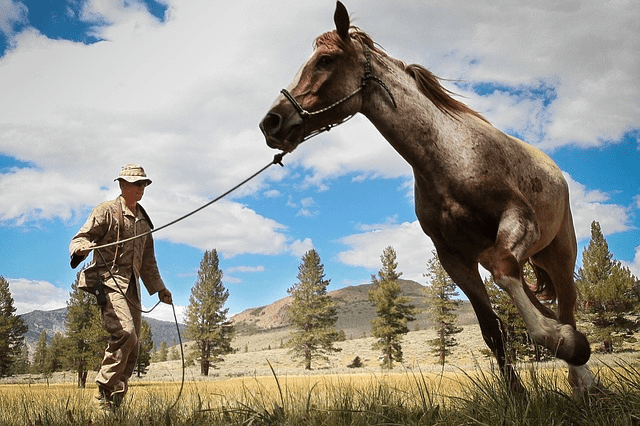
One such experience that levels the playing field for these groups is equine-assisted training. In this example, participants typically spend a day working with a herd of horses in small groups accompanied by a trained facilitator.
One such experience that levels the playing field for these groups is equine-assisted training. In this example, participants typically spend a day working with a herd of horses in small groups accompanied by a trained facilitator.
Content
Throughout the course of the day, groups interact with the horses by conducting various exercises, such as leading and bridling the horse and taking it through an obstacle course. The facilitator assists with learning by periodically pausing for reflection and prompting participants to share their interpretations of the actions of both the horses and themselves.
Throughout the course of the day, groups interact with the horses by conducting various exercises, such as leading and bridling the horse and taking it through an obstacle course. The facilitator assists with learning by periodically pausing for reflection and prompting participants to share their interpretations of the actions of both the horses and themselves.
Content
So, just what do participants have to say about equine-assisted training and what did they learn as a result? Here are just a few responses:
So, just what do participants have to say about equine-assisted training and what did they learn as a result? Here are just a few responses:
Content
“We were sharing things in conversation that we would never ever do outside of that environment.”
“We were sharing things in conversation that we would never ever do outside of that environment.”
Content
“Working with animals that are 1,800 pounds that speak a different language and are somewhat unpredictable levels the playing field for people.”
“Working with animals that are 1,800 pounds that speak a different language and are somewhat unpredictable levels the playing field for people.”
Content
“Horses give you really clear, unadulterated feedback. They could care less if I’m a CEO. It didn’t matter to them. I’m not a CEO in their environment.”
“Horses give you really clear, unadulterated feedback. They could care less if I’m a CEO. It didn’t matter to them. I’m not a CEO in their environment.”
Content
Tips for your own learning
Tips for your own learning
Content
Don’t have access to a herd of horses? Try another unique learning experience with your team. Here are a few tips to consider for creating a learning space that enables participants to find common ground.
Don’t have access to a herd of horses? Try another unique learning experience with your team. Here are a few tips to consider for creating a learning space that enables participants to find common ground.
Content
Take a learner-centered approach to facilitation. Probe for insight and guide participants into understanding how their actions impact others and themselves.
Take a learner-centered approach to facilitation. Probe for insight and guide participants into understanding how their actions impact others and themselves.
Content
Create a safe environment for learning. Individuals should feel free to share opinions without being reprimanded and are encouraged to take risks.
Create a safe environment for learning. Individuals should feel free to share opinions without being reprimanded and are encouraged to take risks.
Content
Connect with the natural environment. An outdoor location cannot only relieve us from our addiction to technology gadgets, but also reminds us of the interconnectedness we all share.
Connect with the natural environment. An outdoor location cannot only relieve us from our addiction to technology gadgets, but also reminds us of the interconnectedness we all share.
Content
In the end, a shared unique learning experience that creates a level playing field will result in better working relationships among team members, regardless of a member’s position or status.
In the end, a shared unique learning experience that creates a level playing field will result in better working relationships among team members, regardless of a member’s position or status.