ATD, association for talent development

ATD Blog

Navigating Through Uncertainty Is a Team Sport

Content

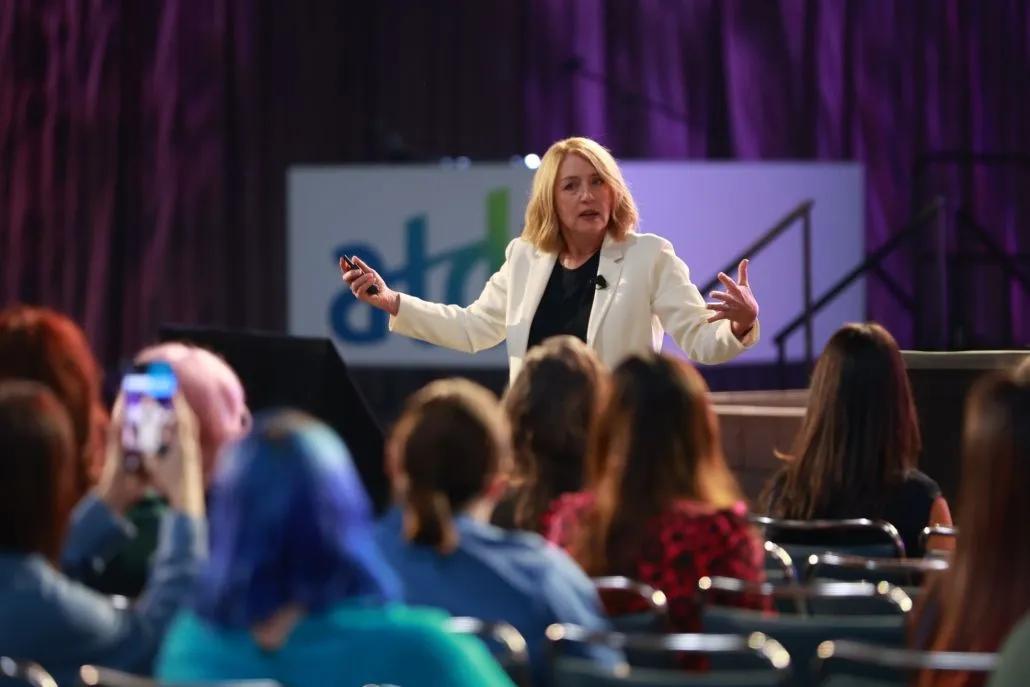
Strengthen the entire bench, not just the leaders, Liz Wiseman asserted during her closing keynote address at ATD26.

Strengthen the entire bench, not just the leaders, Liz Wiseman asserted during her closing keynote address at ATD26.

By

Wed May 20 2026

A photo shows ATD26 keynoter Liz Wiseman during her address.
Loading...

Content

With such unrelenting change and ambiguity in modern workplaces, Liz Wiseman—author of Multipliers, The Multiplier Effect, Rookie Smarts, and Impact Players —offered guidance to ATD26 attendees on what it takes for a workplace to traverse unknown environments.

With such unrelenting change and ambiguity in modern workplaces, Liz Wiseman—author of Multipliers, The Multiplier Effect, Rookie Smarts, and Impact Players—offered guidance to ATD26 attendees on what it takes for a workplace to traverse unknown environments.

Content

“When you don’t have a map of the terrain, it’s important to have a mental map for how you’re going to lead and how you’re going to work together and how you’re going to collaborate when you get out there into the dark,” Wiseman shared during her keynote address on Wednesday.

“When you don’t have a map of the terrain, it’s important to have a mental map for how you’re going to lead and how you’re going to work together and how you’re going to collaborate when you get out there into the dark,” Wiseman shared during her keynote address on Wednesday.

Content

She noted that organizations have been going about it all wrong by developing leaders’ capability to guide people through ambiguity and uncertainty. “Guilty as charged; I have been part of that,” Wiseman admitted. However, by only developing the leaders, companies end up with lopsided capability, leaving the rest of the workforce to struggle.

She noted that organizations have been going about it all wrong by developing leaders’ capability to guide people through ambiguity and uncertainty. “Guilty as charged; I have been part of that,” Wiseman admitted. However, by only developing the leaders, companies end up with lopsided capability, leaving the rest of the workforce to struggle.

Content

“You need strength all across the organization,” she said. “You can’t have ideas just trickle down from the top. You need good thinking and improvisation to bubble up from the bottom. You need leaders who create the right environments, and then you need contributors who know how to step into that environment.”

“You need strength all across the organization,” she said. “You can’t have ideas just trickle down from the top. You need good thinking and improvisation to bubble up from the bottom. You need leaders who create the right environments, and then you need contributors who know how to step into that environment.”

Content

To achieve that, Wiseman stated that organizations need to form power combinations between contributors and leaders when different challenges arise.

To achieve that, Wiseman stated that organizations need to form power combinations between contributors and leaders when different challenges arise.

Messy Problems

Content

With such difficulties, ordinary contributors tend to simply do their job. Wiseman defined an ordinary contributor as a “smart, capable, talented, hard-working person who’s doing a great job but falling short of having real impact.”

With such difficulties, ordinary contributors tend to simply do their job. Wiseman defined an ordinary contributor as a “smart, capable, talented, hard-working person who’s doing a great job but falling short of having real impact.”

Content

Amid messy problems, “they do their job brilliantly,” but do so with their heads down, focused on what they’re doing without seeing what’s happening around them.

Amid messy problems, “they do their job brilliantly,” but do so with their heads down, focused on what they’re doing without seeing what’s happening around them.

Content

In contrast, impact players do the job that’s needed. “They are working, eyes up, paying attention to the environment—situational awareness.” They spring into action, even if the task is not in their job description.

In contrast, impact players do the job that’s needed. “They are working, eyes up, paying attention to the environment—situational awareness.” They spring into action, even if the task is not in their job description.

Content

To enable the impact players to spring into action, Wiseman said that leadership multipliers define the problem, provide clear instructions, and then get out of the way.

To enable the impact players to spring into action, Wiseman said that leadership multipliers define the problem, provide clear instructions, and then get out of the way.

Content

“If you want your team to be brilliant navigating through uncertainty and ambiguity, decide that your value comes from defining the problems rather than solving the problems,” she stated.

“If you want your team to be brilliant navigating through uncertainty and ambiguity, decide that your value comes from defining the problems rather than solving the problems,” she stated.

Unclear Roles

Content

When it’s difficult to figure out who’s in charge, ordinary contributors wait for direction. They’re willing leaders, “but they’re waiting for someone to come along and appoint them or anoint them” with the direction, Wiseman explained.

When it’s difficult to figure out who’s in charge, ordinary contributors wait for direction. They’re willing leaders, “but they’re waiting for someone to come along and appoint them or anoint them” with the direction, Wiseman explained.

Content

Impact players step up and then step back. “They’re quick to take the lead, but they’re also quick to step back and follow others as other leaders need to emerge, as new problems emerge.”

Impact players step up and then step back. “They’re quick to take the lead, but they’re also quick to step back and follow others as other leaders need to emerge, as new problems emerge.”

Content

Employees, therefore, need permission to take charge and the encouragement to have the final word on decisions. One way leadership multipliers do so is by giving an employee “51 percent of the vote and 100 percent of the accountability.” Such messaging tells the individual to “go for it,” Wiseman noted. Holding onto the 49 percent is a way to keep the door open for the employee to counsel with you (or other people).

Employees, therefore, need permission to take charge and the encouragement to have the final word on decisions. One way leadership multipliers do so is by giving an employee “51 percent of the vote and 100 percent of the accountability.” Such messaging tells the individual to “go for it,” Wiseman noted. Holding onto the 49 percent is a way to keep the door open for the employee to counsel with you (or other people).

Unforeseen Obstacles

Content

Ordinary contributors escalate the issue, while impact players take—and keep—ownership; they finish strong. And it’s not a solo effort; it’s a team win. Wiseman added that impact players also pull in the resources they need to deal with something that’s bigger than something they can do on their own.

Ordinary contributors escalate the issue, while impact players take—and keep—ownership; they finish strong. And it’s not a solo effort; it’s a team win. Wiseman added that impact players also pull in the resources they need to deal with something that’s bigger than something they can do on their own.

Content

The role of leadership multipliers? It’s to “give the pen back” to the employee who owns the project, task, or decision. That means offering assistance and ideas when asked but then ceding the power, leadership, and control back to the employee.

The role of leadership multipliers? It’s to “give the pen back” to the employee who owns the project, task, or decision. That means offering assistance and ideas when asked but then ceding the power, leadership, and control back to the employee.

Content

“When people are struggling in the dark … it’s irresponsible to not help—but you’ve got to remember to hand the pen back,” Wiseman said. Return ownership so the employee “can cross that line with the dignity of having owned it themselves but also being able to ask for help.”

“When people are struggling in the dark … it’s irresponsible to not help—but you’ve got to remember to hand the pen back,” Wiseman said. Return ownership so the employee “can cross that line with the dignity of having owned it themselves but also being able to ask for help.”

Moving Targets

Content

When conditions are changing, people struggle to figure out how to keep up. Ordinary contributors tend to stick to what they know. Impact players adapt quickly to the changing environments.

When conditions are changing, people struggle to figure out how to keep up. Ordinary contributors tend to stick to what they know. Impact players adapt quickly to the changing environments.

Content

To help employees thrive, Wiseman advised, leadership multipliers must provide intelligence. “If you want people to be able to constantly recalibrate, provide intel.” Intelligence is different from feedback, however. “What people need in this environment is a little less feedback on how they’re doing and … a little more information on how their work is landing,” Wiseman explained.

To help employees thrive, Wiseman advised, leadership multipliers must provide intelligence. “If you want people to be able to constantly recalibrate, provide intel.” Intelligence is different from feedback, however. “What people need in this environment is a little less feedback on how they’re doing and … a little more information on how their work is landing,” Wiseman explained.

Unrelenting Demands

Content

Ordinary contributors tend to add a tax, meaning they make the situation harder than it needs to be. In contrast, impact players make work light by, for example, taking the lowest-effort path to get something done or bringing a sense of joy and lightness that makes the work feel easier.

Ordinary contributors tend to add a tax, meaning they make the situation harder than it needs to be. In contrast, impact players make work light by, for example, taking the lowest-effort path to get something done or bringing a sense of joy and lightness that makes the work feel easier.

Content

When there are unrelenting demands, people need community and for something to be easy, Wiseman noted. “When we go out into the unknown, we need to take something known with us. We need something that we’re naturally good at.”

When there are unrelenting demands, people need community and for something to be easy, Wiseman noted. “When we go out into the unknown, we need to take something known with us. We need something that we’re naturally good at.”

Content

Therefore, multiplier leaders must “look for and use people’s native genius”—that is, the thing employees do easily and freely; what they’re naturally brilliant at doing.

Therefore, multiplier leaders must “look for and use people’s native genius”—that is, the thing employees do easily and freely; what they’re naturally brilliant at doing.

Strength Across the Board

Content

No matter the challenges that organizations face in times of ambiguity, Wiseman emphasized that employers can’t solely focus on leadership development.

No matter the challenges that organizations face in times of ambiguity, Wiseman emphasized that employers can’t solely focus on leadership development.

Content

“If you’re navigating in the dark, you need strength top of house, bottom of house, all through the house,” she concluded.

“If you’re navigating in the dark, you need strength top of house, bottom of house, all through the house,” she concluded.

Content

Read more about ATD26 at conferencedaily.td.org .

Read more about ATD26 at conferencedaily.td.org.

You've Reached ATD Member-only Content

Become an ATD member to continue

Already a member?Sign In


Copyright © 2026 ATD

ASTD changed its name to ATD to meet the growing needs of a dynamic, global profession.

Terms of UsePrivacy NoticeCookie Policy