
ATD Blog
Paper Prototyping for Instructional Design
Content
Paper prototypes can facilitate testing ideas early in the design process, uncovering problems and addressing them at the source.
Paper prototypes can facilitate testing ideas early in the design process, uncovering problems and addressing them at the source.
Wed May 13 2026
Content
Last-minute content additions, reshuffled priorities, stakeholders complaining that it doesn’t match what they imagined—some of the most frustrating instructional design problems show up when the learning experience is almost finished. Reviewers’ opinions and feedback change in response to the full experience, and suddenly, an on-schedule project is in danger.
Last-minute content additions, reshuffled priorities, stakeholders complaining that it doesn’t match what they imagined—some of the most frustrating instructional design problems show up when the learning experience is almost finished. Reviewers’ opinions and feedback change in response to the full experience, and suddenly, an on-schedule project is in danger.
Content
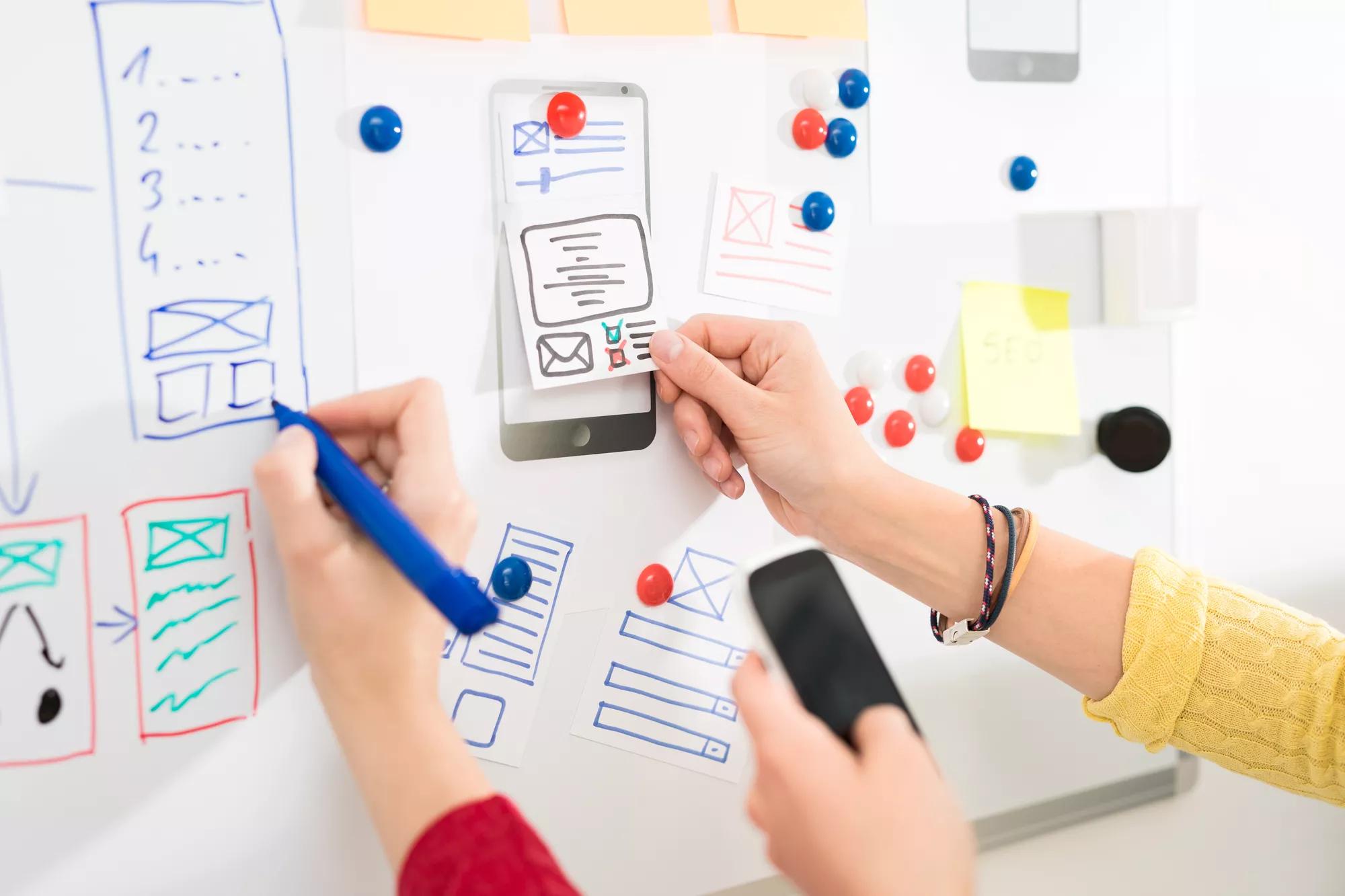
One way to surface these concerns early is to use the software and game-design technique of paper prototyping. These low-fidelity models allow designers to iterate on ideas and spark creativity without expanding the scope of the project. Paper prototypes can facilitate testing ideas early in the design process, uncovering problems and addressing them at the source.
One way to surface these concerns early is to use the software and game-design technique of paper prototyping. These low-fidelity models allow designers to iterate on ideas and spark creativity without expanding the scope of the project. Paper prototypes can facilitate testing ideas early in the design process, uncovering problems and addressing them at the source.
When to Prototype
Content
Paper prototypes are tangible models of your ideas, and they allow you to try out ideas from the perspective of a learner. So, they fit best into an instructional design process after you already have learning goals established and a few ideas for how you might want to address them.
Paper prototypes are tangible models of your ideas, and they allow you to try out ideas from the perspective of a learner. So, they fit best into an instructional design process after you already have learning goals established and a few ideas for how you might want to address them.
Content
But they’re not the best fit for every project. They tend to be most valuable for complex, non‑linear learning systems where rework would be costly.
But they’re not the best fit for every project. They tend to be most valuable for complex, non‑linear learning systems where rework would be costly.
Content Signs prototyping isn’t a fit Signs prototyping isn’t a fit | Content Signs you should consider prototyping Signs you should consider prototyping |
Content Small, straightforward project Small, straightforward project Content Can iterate during development Can iterate during development Content Linear format Linear format Content Visuals more important than functionality Visuals more important than functionality | Content Complex project Complex project Content New format or functionality New format or functionality Content Difficult to iterate during development Difficult to iterate during development Content Requires multiple review cycles Requires multiple review cycles Content Non-linear systems Non-linear systems |
Systems Prototyping Example
Content
In a recent project, a subject matter expert struggled to organize content for a wide range of learners, continually uncovering undocumented use cases and exceptions that needed addressing.
In a recent project, a subject matter expert struggled to organize content for a wide range of learners, continually uncovering undocumented use cases and exceptions that needed addressing.
Content
We worked together on a digital whiteboard to build a rough prototype of branching interactions that led learners to the appropriate guidance. Once the prototype was built, she was able to walk through the content as each type of learner and make adjustments as needed.
We worked together on a digital whiteboard to build a rough prototype of branching interactions that led learners to the appropriate guidance. Once the prototype was built, she was able to walk through the content as each type of learner and make adjustments as needed.
Content
This prototype eventually became a scenario interaction within a Rise-built course which gathered information about the learner and delivered specific content based on their answers.
This prototype eventually became a scenario interaction within a Rise-built course which gathered information about the learner and delivered specific content based on their answers.
Prototyping for Learning
Content
You’ve decided to make a paper prototype—now what? Here are the steps I use to get started:
You’ve decided to make a paper prototype—now what? Here are the steps I use to get started:
Content
Define your learning goals as actions. When creating an interactive experience, it’s best to start with concrete actions you want the learner to take. Consider what you want the learner to do differently as a result of your learning experience, then arrange direct instruction to support the actions.
Define your learning goals as actions. When creating an interactive experience, it’s best to start with concrete actions you want the learner to take. Consider what you want the learner to do differently as a result of your learning experience, then arrange direct instruction to support the actions.
Content
Find inspiration. Use your materials to fuel brainstorming. Remix existing resources, gather images and ideas, and play with your physical objects. Consider:
Find inspiration. Use your materials to fuel brainstorming. Remix existing resources, gather images and ideas, and play with your physical objects. Consider:
Content
How might you model the learning goal?
How might you model the learning goal?
Content
What meaningful decisions can the learner make?
What meaningful decisions can the learner make?
Content
What feedback should the learner get?
What feedback should the learner get?
Content
What could be fun about this scenario?
What could be fun about this scenario?
Content
What do learners already care about?
What do learners already care about?
Content
Brainstorm a problem. Come up with reasons why a learner might do the learning goal actions. Meaningful educational interactions pose problems that require learners to use the learning goal to solve them . The problem can mirror real life, use an analogy, or be fully abstract. As you brainstorm, sketch out your ideas, even the “bad” ones.
Brainstorm a problem. Come up with reasons why a learner might do the learning goal actions. Meaningful educational interactions pose problems that require learners to use the learning goal to solve them. The problem can mirror real life, use an analogy, or be fully abstract. As you brainstorm, sketch out your ideas, even the “bad” ones.
Content
Pick an idea to prototype. Once you have some ideas to try out, it’s time to build your initial design!
Pick an idea to prototype. Once you have some ideas to try out, it’s time to build your initial design!
Making the Prototype
Content
Your prototype should be quick, cheap, and ugly, easily changed as you make design decisions and try things out. Even though we call it “paper” prototyping, you’re not limited to physical paper and craft supplies. It can also mean repurposing a game board, doodling on a whiteboard, or moving chairs around a room. Distributed teams may prefer digital tools, but stay focused on fast and ugly iteration, not polish.
Your prototype should be quick, cheap, and ugly, easily changed as you make design decisions and try things out. Even though we call it “paper” prototyping, you’re not limited to physical paper and craft supplies. It can also mean repurposing a game board, doodling on a whiteboard, or moving chairs around a room. Distributed teams may prefer digital tools, but stay focused on fast and ugly iteration, not polish.
Content
You likely won’t have much content at this point, and that’s ok. Try filling in text and images with placeholders that describe the intended purpose, rather than standard lorem ipsum text.
You likely won’t have much content at this point, and that’s ok. Try filling in text and images with placeholders that describe the intended purpose, rather than standard lorem ipsum text.
Collaboration and Communication
Content
You can prototype on your own, but it's also a great tool for collaboration and co-design.
You can prototype on your own, but it's also a great tool for collaboration and co-design.
Content
One powerful method is through co-creation—bringing in non-tech collaborators into the design process to solicit their opinions, including their perspectives from the very beginning. You can do this with stakeholders, SMEs, or users, depending on your goals.
One powerful method is through co-creation—bringing in non-tech collaborators into the design process to solicit their opinions, including their perspectives from the very beginning. You can do this with stakeholders, SMEs, or users, depending on your goals.
Content
Bring in developers to discuss technical requirements and flag development needs early. Give them an opportunity to ask questions, make suggestions, and document all the potential ways a learner might engage with the product.
Bring in developers to discuss technical requirements and flag development needs early. Give them an opportunity to ask questions, make suggestions, and document all the potential ways a learner might engage with the product.
Content
If adding a prototyping step to your design process concerns your project manager, try framing it as a scoping exercise. Time estimates based on real data and early feedback can help prevent schedule-disrupting edits and scope creep at the end of the project.
If adding a prototyping step to your design process concerns your project manager, try framing it as a scoping exercise. Time estimates based on real data and early feedback can help prevent schedule-disrupting edits and scope creep at the end of the project.
Content
Even if you don’t bring others into your prototyping process, the results can be helpful when communicating your ideas to others. I’ll often include screenshots of my prototypes in stakeholder presentations to show them a “behind the scenes” look at what they can expect in the final product and give them an opportunity to react early.
Even if you don’t bring others into your prototyping process, the results can be helpful when communicating your ideas to others. I’ll often include screenshots of my prototypes in stakeholder presentations to show them a “behind the scenes” look at what they can expect in the final product and give them an opportunity to react early.
Testing, Feedback, and Iteration
Content
Good design decisions require good information. The value of a completed prototype is the opportunity to get feedback early, before you’ve invested time in a more high-fidelity version.
Good design decisions require good information. The value of a completed prototype is the opportunity to get feedback early, before you’ve invested time in a more high-fidelity version.
Content
Test with real people, both stakeholders and members of your audience.
Test with real people, both stakeholders and members of your audience.
Content
At this point, you’re not testing for efficacy. Since there’s likely a lot of content missing, assessing whether the user “learned the material” isn’t a good use of time at this point. Instead, test if users have the experience you’re hoping they’d have . Consider:
At this point, you’re not testing for efficacy. Since there’s likely a lot of content missing, assessing whether the user “learned the material” isn’t a good use of time at this point. Instead, test if users have the experience you’re hoping they’d have. Consider:
Content
Did they solve the problem you presented?
Did they solve the problem you presented?
Content
Did they have an emotional reaction?
Did they have an emotional reaction?
Content
Did the interactions enhance the experience or get in the way?
Did the interactions enhance the experience or get in the way?
Content
Use the feedback you received to iterate and make improvements, but don’t blindly follow others’ suggestions. Remember: Testers are always right about the problem. They are almost never right about the solution. Interrogate their feedback and try to get to the root of the issue. For example, requests for a tutorial might be better addressed by simplifying the user interface to eliminate the need.
Use the feedback you received to iterate and make improvements, but don’t blindly follow others’ suggestions. Remember: Testers are always right about the problem. They are almost never right about the solution. Interrogate their feedback and try to get to the root of the issue. For example, requests for a tutorial might be better addressed by simplifying the user interface to eliminate the need.
Content
The final step of paper prototyping is to throw the prototype away . It was always meant to be disposable, replaced with something better and more refined.
The final step of paper prototyping is to throw the prototype away. It was always meant to be disposable, replaced with something better and more refined.
Conclusion
Content
When you prototype early, you shift design conversations from opinions to evidence, making your designs more effective, efficient, and engaging.
When you prototype early, you shift design conversations from opinions to evidence, making your designs more effective, efficient, and engaging.
Content
And thankfully, paper prototyping doesn’t require special skills, just a willingness to get messy and experiment. That means you can get started at any time—just pull out some sticky notes and make something . It’s fine if the first attempt doesn’t work—expect and embrace failures as a valuable part of the process, and give yourself room to be imperfect.
And thankfully, paper prototyping doesn’t require special skills, just a willingness to get messy and experiment. That means you can get started at any time—just pull out some sticky notes and make something. It’s fine if the first attempt doesn’t work—expect and embrace failures as a valuable part of the process, and give yourself room to be imperfect.
Content