
ATD Blog
The Readiness Gap: What 70% of Workers Are Telling Us
Content
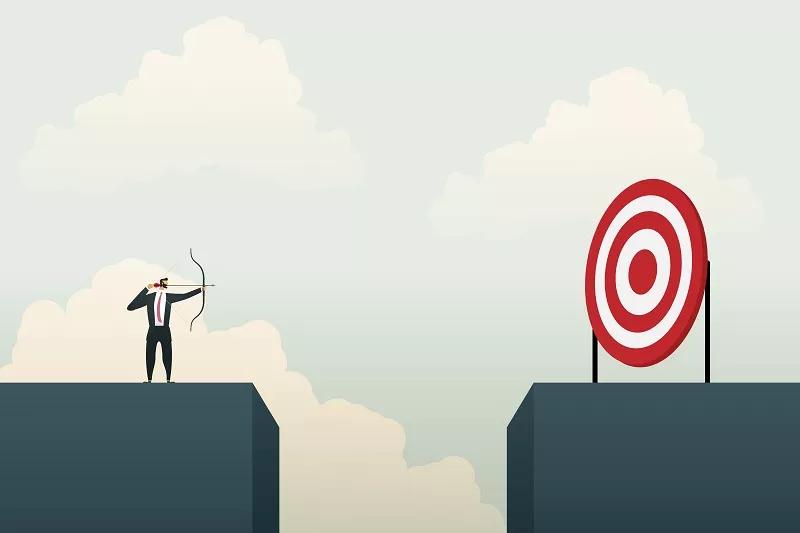
Readiness isn’t something you reach and check off. It’s something you keep building—adding new tools, habits, and ways of thinking as the world changes around you.
Readiness isn’t something you reach and check off. It’s something you keep building—adding new tools, habits, and ways of thinking as the world changes around you.
Thu Dec 11 2025
Brought to you by

Content
Work has always changed, but lately, it feels like the pace has picked up. New tools appear every few months. Roles evolve faster than job titles can catch up. Teams stretch across time zones, screens, and priorities. It’s no surprise that many people are asking the same question: Am I ready for what’s next?
Work has always changed, but lately, it feels like the pace has picked up. New tools appear every few months. Roles evolve faster than job titles can catch up. Teams stretch across time zones, screens, and priorities. It’s no surprise that many people are asking the same question: Am I ready for what’s next?
Content
According to The State of Learning and Readiness: Building a Future-Ready Workforce report , seven in 10 workers say they don’t feel prepared to succeed in today’s workforce. That number tells a quiet story of uncertainty. Across industries and generations, people are working hard but still wondering whether their skills (and confidence) are enough.
According to The State of Learning and Readiness: Building a Future-Ready Workforce report, seven in 10 workers say they don’t feel prepared to succeed in today’s workforce. That number tells a quiet story of uncertainty. Across industries and generations, people are working hard but still wondering whether their skills (and confidence) are enough.
Content
Some of those workers look inward. They blame their own motivation, their comfort with technology, or a lack of real-world experience. Others look outward, pointing to unclear expectations or little support from their employer. Together, they paint a picture of a workforce that feels less unskilled and more uncertain.
Some of those workers look inward. They blame their own motivation, their comfort with technology, or a lack of real-world experience. Others look outward, pointing to unclear expectations or little support from their employer. Together, they paint a picture of a workforce that feels less unskilled and more uncertain.
What “Unprepared” Really Means
Content
Readiness used to be a simple concept. You learned the job, you did it well, and you trusted that stability would follow. Today, stability feels rare. Every new project, tool, or process brings its own learning curve. Even experienced professionals find themselves back in beginner mode more often than they’d like.
Readiness used to be a simple concept. You learned the job, you did it well, and you trusted that stability would follow. Today, stability feels rare. Every new project, tool, or process brings its own learning curve. Even experienced professionals find themselves back in beginner mode more often than they’d like.
Content
When asked why they feel unprepared, about three in 10 workers cite personal factors, such as stress or lack of motivation. Another quarter says their digital or technical skills haven’t kept pace with change. Others talk about mismatched education, limited experience, or plain self-doubt.
When asked why they feel unprepared, about three in 10 workers cite personal factors, such as stress or lack of motivation. Another quarter says their digital or technical skills haven’t kept pace with change. Others talk about mismatched education, limited experience, or plain self-doubt.
Content
The rest see the issue around them, not within them. One in four say they don’t get enough mentorship or guidance at work. Nearly the same number say expectations are unclear or shift too often to keep up. And roughly one in five describe their industry as unstable.
The rest see the issue around them, not within them. One in four say they don’t get enough mentorship or guidance at work. Nearly the same number say expectations are unclear or shift too often to keep up. And roughly one in five describe their industry as unstable.
Content
Simply put, many workers have the skills but not the clarity. They’re trying to grow, but they can’t always tell what growth looks like anymore.
Simply put, many workers have the skills but not the clarity. They’re trying to grow, but they can’t always tell what growth looks like anymore.
How Readiness Has Changed
Content
Readiness is evolving right alongside work. It’s less about mastering one role or tool and more about staying flexible, curious, and confident as things change.
Readiness is evolving right alongside work. It’s less about mastering one role or tool and more about staying flexible, curious, and confident as things change.
Content
That shift has quietly redefined success. Experience still matters, but so do curiosity and adaptability. Readiness today isn’t about having every answer; it’s about trusting yourself to figure things out along the way.
That shift has quietly redefined success. Experience still matters, but so do curiosity and adaptability. Readiness today isn’t about having every answer; it’s about trusting yourself to figure things out along the way.
Content
This new definition is both a challenge and an opportunity. Readiness can’t be handed down from the top; it’s built every day, through each project and every person involved.
This new definition is both a challenge and an opportunity. Readiness can’t be handed down from the top; it’s built every day, through each project and every person involved.
What Leaders Can Take From This
Content
The readiness gap isn’t a reflection of workers who don’t care. It’s feedback on the systems around them.
The readiness gap isn’t a reflection of workers who don’t care. It’s feedback on the systems around them.
Content
People want to grow. They want to feel confident that their effort adds up to something. However, when communication breaks down or learning feels disconnected from real work, readiness fades.
People want to grow. They want to feel confident that their effort adds up to something. However, when communication breaks down or learning feels disconnected from real work, readiness fades.
Content
Leaders can help by focusing less on perfection and more on progress:
Leaders can help by focusing less on perfection and more on progress:
Content
Talk about growth. Check in often, not just at review time. Ask what someone’s learned lately, or where they’d like more support.
Talk about growth. Check in often, not just at review time. Ask what someone’s learned lately, or where they’d like more support.
Content
Make progress visible. Recognize small wins. When people can see their own growth, confidence builds.
Make progress visible. Recognize small wins. When people can see their own growth, confidence builds.
Content
Clarify expectations. Change isn’t the problem for most workers—confusion is. When expectations are clear, readiness grows naturally.
Clarify expectations. Change isn’t the problem for most workers—confusion is. When expectations are clear, readiness grows naturally.
Content
Encourage curiosity. Create space for learning, questions, and trying new things without penalty. Readiness grows in cultures that reward exploration.
Encourage curiosity. Create space for learning, questions, and trying new things without penalty. Readiness grows in cultures that reward exploration.
Content
These aren’t complicated changes, but they make a measurable difference. They remind people that readiness isn’t something you either have or don’t, but rather that it’s something you practice together.
These aren’t complicated changes, but they make a measurable difference. They remind people that readiness isn’t something you either have or don’t, but rather that it’s something you practice together.
Where Readiness Goes From Here
Content
The data tells us that most workers are capable but uncertain. That doesn’t mean they’ve fallen behind. It means they’re paying attention. They can see how fast work is changing, and they want to be ready for it.
The data tells us that most workers are capable but uncertain. That doesn’t mean they’ve fallen behind. It means they’re paying attention. They can see how fast work is changing, and they want to be ready for it.
Content
Readiness, at its core, is about confidence in motion. It’s knowing you can adapt when things shift and trusting that support is there when you need it. The current state of readiness isn’t a warning. It’s a call to create workplaces where people can see their progress, build confidence, and stay curious about what’s ahead.
Readiness, at its core, is about confidence in motion. It’s knowing you can adapt when things shift and trusting that support is there when you need it. The current state of readiness isn’t a warning. It’s a call to create workplaces where people can see their progress, build confidence, and stay curious about what’s ahead.
Content
Readiness isn’t something you reach and check off. It’s something you keep building—adding new tools, habits, and ways of thinking as the world changes around you. The good news? We don’t build it alone.
Readiness isn’t something you reach and check off. It’s something you keep building—adding new tools, habits, and ways of thinking as the world changes around you. The good news? We don’t build it alone.