ATD, association for talent development

ATD Blog

Top 5 Organization Development Priorities for 2026

Content

These five priorities are not a checklist to tackle all at once, but a compass for where OD and learning professionals can have a meaningful impact in 2026.

These five priorities are not a checklist to tackle all at once, but a compass for where OD and learning professionals can have a meaningful impact in 2026.

By

Wed Feb 11 2026

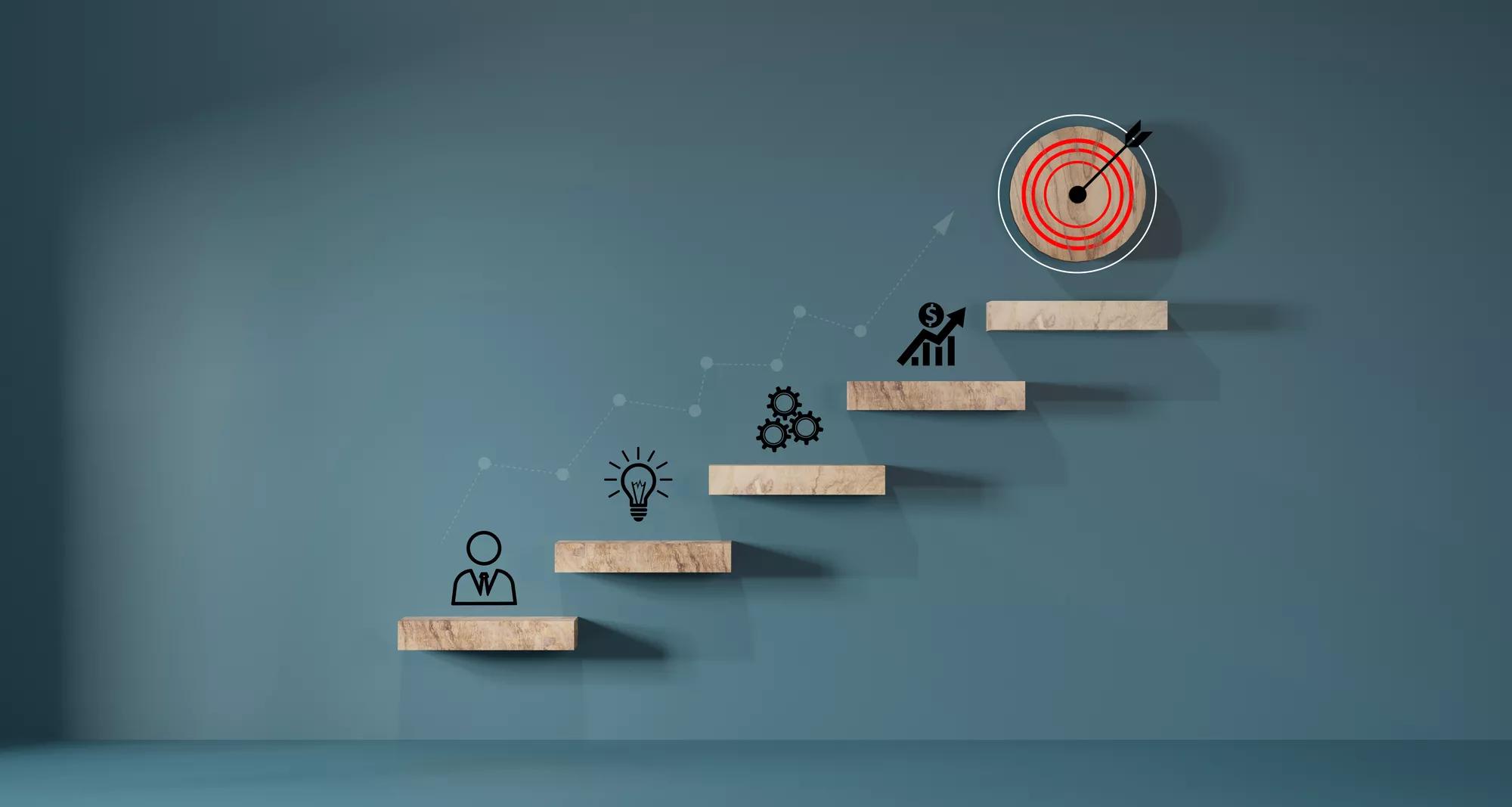
woods block step on table with icon Action plan, Goal and target, success and business target concept, project management, company strategy
Loading...

Content

Organizations in the US and around the world are operating in an environment of intense and layered uncertainty. Economic signals are mixed, layoffs are rampant, AI adoption is accelerating, and organizations are announcing major changes, leaving employees uncertain about what comes next. The PwC Global Workforce Hopes and Fears Survey 2025 , based on responses from about 50,000 workers across nearly 50 countries, highlights what many of us are seeing on the ground: employees are anxious about change, ambivalent about AI, and far less confident that leaders are being transparent about the future.

Organizations in the US and around the world are operating in an environment of intense and layered uncertainty. Economic signals are mixed, layoffs are rampant, AI adoption is accelerating, and organizations are announcing major changes, leaving employees uncertain about what comes next. The PwC Global Workforce Hopes and Fears Survey 2025, based on responses from about 50,000 workers across nearly 50 countries, highlights what many of us are seeing on the ground: employees are anxious about change, ambivalent about AI, and far less confident that leaders are being transparent about the future.

Content

In my experience working with business leaders and talent and organization development professionals , the capability gaps exposed by this uncertainty are widening. Leaders are struggling to communicate transparently, employees want clarity and fairness, AI rollouts are stalling, and organizations are being forced to redesign their systems. Yet, amid this turbulence, I see a clear path forward: Organizations that ground their transformation in trust , resilience, continuous learning, and the intelligent use of technology will not just survive—they will define the future of work. As I have done for the past three years , I highlight five key OD trends and priorities to watch in 2026.

In my experience working with business leaders and talent and organization development professionals, the capability gaps exposed by this uncertainty are widening. Leaders are struggling to communicate transparently, employees want clarity and fairness, AI rollouts are stalling, and organizations are being forced to redesign their systems. Yet, amid this turbulence, I see a clear path forward: Organizations that ground their transformation in trust, resilience, continuous learning, and the intelligent use of technology will not just survive—they will define the future of work. As I have done for the past three years, I highlight five key OD trends and priorities to watch in 2026.

1. Make Trust an Organizational Capability

Content

In a world defined by economic and political uncertainty, as well as AI anxiety, trust has become a critical form of organizational currency. PwC’s survey results show that employees who trust their managers and senior leaders are far more motivated, more likely to stay, and more open to change than those who do not. I see this clearly in my work with organizations, and I keep emphasizing to leaders that trust is not rebuilt through messaging campaigns or quick interventions. It must be cultivated through systems, leadership behavior, and consistent everyday experiences.

In a world defined by economic and political uncertainty, as well as AI anxiety, trust has become a critical form of organizational currency. PwC’s survey results show that employees who trust their managers and senior leaders are far more motivated, more likely to stay, and more open to change than those who do not. I see this clearly in my work with organizations, and I keep emphasizing to leaders that trust is not rebuilt through messaging campaigns or quick interventions. It must be cultivated through systems, leadership behavior, and consistent everyday experiences.

Content

I recommend focusing on two key issues:

I recommend focusing on two key issues:

  • Content

    Create two-way, trust-building feedback loops. Move beyond one-way “downloads” from leadership and build genuine dialogue. Establish regular listening mechanisms, accessible upward feedback channels, and forums where employees can ask tough questions and challenge decisions without fear of retaliation. Then close the loop by showing how feedback, positive or critical, has influenced decisions. This double feedback loop is crucial for establishing lasting trust.

    Create two-way, trust-building feedback loops. Move beyond one-way “downloads” from leadership and build genuine dialogue. Establish regular listening mechanisms, accessible upward feedback channels, and forums where employees can ask tough questions and challenge decisions without fear of retaliation. Then close the loop by showing how feedback, positive or critical, has influenced decisions. This double feedback loop is crucial for establishing lasting trust.

  • Content

    Facilitate trust-repair during disruption. Especially in restructures, AI adoption, and major organizational changes, acknowledge past mistakes, create forums for honest dialogue, and demonstrate follow-through on commitments. If employees are truly your organization’s most valuable assets, then elevating their voices must be a priority.

    Facilitate trust-repair during disruption. Especially in restructures, AI adoption, and major organizational changes, acknowledge past mistakes, create forums for honest dialogue, and demonstrate follow-through on commitments. If employees are truly your organization’s most valuable assets, then elevating their voices must be a priority.

2. Build Personal and Organizational Resilience

Content

Trust provides the foundation, but resilience provides the capacity to act on it. In an environment where uncertainty is the norm, resilience is no longer about bouncing back; it’s about building capacity to move forward under stress. Resilient organizations outperform peers during volatility, adapt more quickly, and return to growth sooner after disruptions.

Trust provides the foundation, but resilience provides the capacity to act on it. In an environment where uncertainty is the norm, resilience is no longer about bouncing back; it’s about building capacity to move forward under stress. Resilient organizations outperform peers during volatility, adapt more quickly, and return to growth sooner after disruptions.

Content

A recent BCG article argues that we often treat resilience at the individual and organizational levels separately, when in reality they form a mutually reinforcing system. When organizations invest in psychological safety and adaptive systems, individuals feel more capable of navigating change . When individuals develop personal resilience skills, they contribute to a more adaptable organizational culture .

A recent BCG article argues that we often treat resilience at the individual and organizational levels separately, when in reality they form a mutually reinforcing system. When organizations invest in psychological safety and adaptive systems, individuals feel more capable of navigating change. When individuals develop personal resilience skills, they contribute to a more adaptable organizational culture.

Content

At the same time, we need to be careful about how we talk about resilience. Many employees are tired of being asked to “be resilient” while systemic issues go unaddressed. In my conversations with talent and OD professionals, I often hear a concern that resilience rhetoric is being pushed onto employees without adequate recognition of workload, inequity, and the personal challenges people are carrying in today’s environment.

At the same time, we need to be careful about how we talk about resilience. Many employees are tired of being asked to “be resilient” while systemic issues go unaddressed. In my conversations with talent and OD professionals, I often hear a concern that resilience rhetoric is being pushed onto employees without adequate recognition of workload, inequity, and the personal challenges people are carrying in today’s environment.

Content

Two priority strategies stand out:

Two priority strategies stand out:

  • Content

    Build resilience-ready systems, not just resilient people. Start by addressing chronic stressors in the work environment, unmanageable workloads, unclear priorities, inequitable practices, and a lack of autonomy. Design flexible work systems, distributed decision-making, and fair processes that reduce unnecessary strain.

    Build resilience-ready systems, not just resilient people. Start by addressing chronic stressors in the work environment, unmanageable workloads, unclear priorities, inequitable practices, and a lack of autonomy. Design flexible work systems, distributed decision-making, and fair processes that reduce unnecessary strain.

  • Content

    Design shared sensemaking mechanisms. Use after-action reviews, manager-led check-ins, and cross-functional learning sessions to help teams process disruption collectively, name what is hard, and extract actionable insights that feed back into strategy and practice. This shifts resilience from “you handle it on your own” to “we make sense of this together and adjust the system where we can.”

    Design shared sensemaking mechanisms. Use after-action reviews, manager-led check-ins, and cross-functional learning sessions to help teams process disruption collectively, name what is hard, and extract actionable insights that feed back into strategy and practice. This shifts resilience from “you handle it on your own” to “we make sense of this together and adjust the system where we can.”

3. Reimagine Learning as a System

Content

Resilient organizations need resilient systems, and learning is the system that keeps everything else adaptive. The World Economic Forum’s Future of Jobs Report 2025 estimates that about 60 percent of workers will need significant reskilling by 2030, driven largely by AI and technological change. Traditional, program-based L&D approaches cannot keep pace.

Resilient organizations need resilient systems, and learning is the system that keeps everything else adaptive. The World Economic Forum’s Future of Jobs Report 2025 estimates that about 60 percent of workers will need significant reskilling by 2030, driven largely by AI and technological change. Traditional, program-based L&D approaches cannot keep pace.

Content

Peter Senge’s work in The Fifth Discipline feels especially relevant here. He describes learning organizations as “organizations where people continually expand their capacity to create the results they truly desire” and learn how to think and act systemically. That requires more than offering courses. It means paying attention to mental models, feedback loops, and how learning is embedded in everyday work and decision-making.

Peter Senge’s work in The Fifth Discipline feels especially relevant here. He describes learning organizations as “organizations where people continually expand their capacity to create the results they truly desire” and learn how to think and act systemically. That requires more than offering courses. It means paying attention to mental models, feedback loops, and how learning is embedded in everyday work and decision-making.

Content

What organizations need now is learning as a system; a cohesive ecosystem that integrates continuous learning , social learning, knowledge sharing, and capability mapping. One client I am working with is transforming their approach by creating “learning hubs” where employees can access micro-learning, connect with mentors , and participate in project-based learning—all integrated into their daily workflow rather than treated as separate training events.

What organizations need now is learning as a system; a cohesive ecosystem that integrates continuous learning, social learning, knowledge sharing, and capability mapping. One client I am working with is transforming their approach by creating “learning hubs” where employees can access micro-learning, connect with mentors, and participate in project-based learning—all integrated into their daily workflow rather than treated as separate training events.

Content

I recommend two essential actions:

I recommend two essential actions:

  • Content

    Build social learning communities and peer networks . Use communities of practice, reverse mentoring , and digital platforms for sharing expertise to accelerate informal learning and knowledge flow.

    Build social learning communities and peer networks. Use communities of practice, reverse mentoring, and digital platforms for sharing expertise to accelerate informal learning and knowledge flow.

  • Content

    Integrate learning into the flow of work. Leverage action learning projects, coaching , and real-time performance support tools that provide just-in-time guidance at the moment of need.

    Integrate learning into the flow of work. Leverage action learning projects, coaching, and real-time performance support tools that provide just-in-time guidance at the moment of need.

4. Lead AI Transformation Through Human-Centered Change

Content

As AI moves from pilot to practice, the real challenge for most organizations is not the technology itself but how people and systems adapt around it. Despite the hype, many enterprise efforts stall after promising demos, and a recent MIT study estimates that about 95 percent of generative AI pilots fail to produce measurable business results, largely because of weak workflow integration and inadequate change management.

As AI moves from pilot to practice, the real challenge for most organizations is not the technology itself but how people and systems adapt around it. Despite the hype, many enterprise efforts stall after promising demos, and a recent MIT study estimates that about 95 percent of generative AI pilots fail to produce measurable business results, largely because of weak workflow integration and inadequate change management.

Content

In my consulting work, I have observed a troubling paradox: As organizations become more technologically connected, people are becoming less interpersonally connected. Many employees now default to chat messages and emails, avoid face-to-face conversations, and keep their cameras off in many virtual meetings. This trend creates significant challenges because successful AI integration depends on strong human collaboration, trust-based experimentation, and open dialogue about fears and concerns. The one strategic priority for me is to:

In my consulting work, I have observed a troubling paradox: As organizations become more technologically connected, people are becoming less interpersonally connected. Many employees now default to chat messages and emails, avoid face-to-face conversations, and keep their cameras off in many virtual meetings. This trend creates significant challenges because successful AI integration depends on strong human collaboration, trust-based experimentation, and open dialogue about fears and concerns. The one strategic priority for me is to:

Content

Design human-centered AI change management plans. OD professionals should help organizations prioritize real dialogue about fears, expectations, and impact. Create safe spaces, including live forums, manager-led check-ins, in-person or cameras-on sessions, for employees to voice concerns and make sense of AI together, while rebuilding connection rituals for complex work.

Design human-centered AI change management plans. OD professionals should help organizations prioritize real dialogue about fears, expectations, and impact. Create safe spaces, including live forums, manager-led check-ins, in-person or cameras-on sessions, for employees to voice concerns and make sense of AI together, while rebuilding connection rituals for complex work.

5. Reinvent Organization Development as “Intelligent OD”

Content

Leading AI transformation from the outside is one thing; reimagining our own profession for the AI age is another. In his recent book chapter, William Pasmore makes a compelling case for Intelligent OD —an approach that recognizes today's problems are increasingly sociotechnical, at the intersection of people, systems, and technology, and that require closer collaboration between OD practitioners and technical experts.

Leading AI transformation from the outside is one thing; reimagining our own profession for the AI age is another. In his recent book chapter, William Pasmore makes a compelling case for Intelligent OD—an approach that recognizes today's problems are increasingly sociotechnical, at the intersection of people, systems, and technology, and that require closer collaboration between OD practitioners and technical experts.

Content

What could Intelligent OD look like in practice? In much of my client work, for example, instead of relying solely on interviews and focus groups for diagnosis, we combined traditional methods with AI-powered analysis of employee sentiment data and communication patterns. AI didn’t replace human judgment; it enhanced our ability to spot patterns, surface hidden issues, and then probe deeper into root causes with employees. Similarly, in intervention design, AI can help model different change scenarios, allowing us to anticipate how organizational changes might ripple through the system before implementation and adjust accordingly. Two ways to begin with this approach:

What could Intelligent OD look like in practice? In much of my client work, for example, instead of relying solely on interviews and focus groups for diagnosis, we combined traditional methods with AI-powered analysis of employee sentiment data and communication patterns. AI didn’t replace human judgment; it enhanced our ability to spot patterns, surface hidden issues, and then probe deeper into root causes with employees. Similarly, in intervention design, AI can help model different change scenarios, allowing us to anticipate how organizational changes might ripple through the system before implementation and adjust accordingly. Two ways to begin with this approach:

  • Content

    Develop AI literacy for OD practice. Learn how tools such as sentiment analysis, network mapping, and predictive modeling can enhance each phase of the OD process , from entry to diagnosis, feedback, intervention, and evaluation, while maintaining OD’s humanistic values of participation, learning, and equity.

    Develop AI literacy for OD practice. Learn how tools such as sentiment analysis, network mapping, and predictive modeling can enhance each phase of the OD process, from entry to diagnosis, feedback, intervention, and evaluation, while maintaining OD’s humanistic values of participation, learning, and equity.

  • Content

    Partner with data and technology experts . Collaborate with data scientists and IT professionals to co-design AI-enhanced diagnostic and evaluation tools that respect privacy, maintain trust, and generate actionable insights for leaders and teams.

    Partner with data and technology experts. Collaborate with data scientists and IT professionals to co-design AI-enhanced diagnostic and evaluation tools that respect privacy, maintain trust, and generate actionable insights for leaders and teams.

Looking Ahead

Content

These five priorities are not a checklist to tackle all at once, but a compass for where OD and learning professionals can have a meaningful impact in 2026. Different organizations will start in different places, but all of them need some combination of trust, resilience, learning, human-centered AI change, and Intelligent OD.

These five priorities are not a checklist to tackle all at once, but a compass for where OD and learning professionals can have a meaningful impact in 2026. Different organizations will start in different places, but all of them need some combination of trust, resilience, learning, human-centered AI change, and Intelligent OD.

Content

On a personal note, I invite you, and the leaders you support, to revisit your own mental models about how work, technology, and power are organized. This is a great time to seek out stretch assignments and cross-functional roles where you can support AI adoption and change initiatives and put these ideas into practice. As you do, keep elevating what matters most: the humans at the heart of our organizations and the employees whose work powers every transformation.

On a personal note, I invite you, and the leaders you support, to revisit your own mental models about how work, technology, and power are organized. This is a great time to seek out stretch assignments and cross-functional roles where you can support AI adoption and change initiatives and put these ideas into practice. As you do, keep elevating what matters most: the humans at the heart of our organizations and the employees whose work powers every transformation.

Content

Which of these issues will you prioritize, or which resonates most strongly with you right now?

Which of these issues will you prioritize, or which resonates most strongly with you right now?

You've Reached ATD Member-only Content

Become an ATD member to continue

Already a member?Sign In


Copyright © 2026 ATD

ASTD changed its name to ATD to meet the growing needs of a dynamic, global profession.

Terms of UsePrivacy NoticeCookie Policy