
ATD Blog
Unleashing the Power of AI: Actionable Steps to Enablement
Wed Jun 14 2023

The true potential of artificial intelligence (AI) is unlocked when it’s utilized as a tool to enhance our capabilities and magnify our collective strengths. By equipping employees with the necessary knowledge and skills to collaborate effectively with AI, businesses can nurture an agile, adaptable workforce that can seize all emerging opportunities. This strategic approach ensures AI is a catalyst for organizational vibrancy rather than an unpredictable disruptor.
Considering how AI’s implementation aligns with an organization’s objectives and values is essential. As AI continues to evolve and influence business operations, fostering a culture of learning, innovation, and adaptability becomes more vital. This cultural transformation is paramount to successfully harnessing the transformative power of AI and thriving in this new era of digital intelligence.
Integrated Approach to Change and Transformation
The augmented enterprise (AE) is powered by four key elements: adaptive learning organizations, collective intelligence, augmented intelligence teams, and learning ecosystems.
Becoming an AE requires a holistic approach to change and transformation. The journey begins with evaluating the present state of the organization’s learning ecosystem and envisioning a clear future goal. The succeeding steps should align with the principles of an adaptive learning organization, thereby empowering augmented intelligence teams and unlocking the potential of collective intelligence.
The concept of a learning ecosystem requires recognizing vital dimensions within organizations, understanding the current status (“Where are we today?”), and projecting the ideal future state (“Where do we want to be tomorrow?”). Whether it’s implementing new technology or executing a full-scale transformation, the learning ecosystem remains central. Consequently, gaining an in-depth understanding of the landscape is essential before any significant change is undertaken.
An impartial third-party readiness assessment can offer an objective view of the organization’s current state, identifying strengths, weaknesses, opportunities, and potential roadblocks to becoming an AE. It can also help set realistic expectations, align strategies, and manage potential risks associated with AI adoption.
Early adoption of AI offers a distinctive competitive edge. The organizations at the forefront of AI adoption stand to benefit the most, gaining the opportunity to capture a larger market share and set the industry standard. Such companies embrace AI as a tool and embed it strategically across all facets of their business operations. However, transitioning to an AE is not merely about early adoption; it involves the holistic integration of AI into the organizational strategy and workflows.
The key question for organizations to ask is, "Do you know where your AI is?" This is a call to ensure that AI is not merely an add-on but a fundamental part of their strategy, driving the transformation to become an AE.
Shifting Organizational Mindset
The foundational shift in mindset and methodology required in the transformation to an AE means moving beyond traditional boundaries and embracing new ways of thinking and working. It involves fostering a culture of continuous learning and innovation, where technology and human intellect merge to create a robust, adaptive, and resilient enterprise. It requires recognizing and harnessing the collective intelligence of all stakeholders, promoting transparency, collaboration, and open communication.
Key elements to consider in this transformation include:
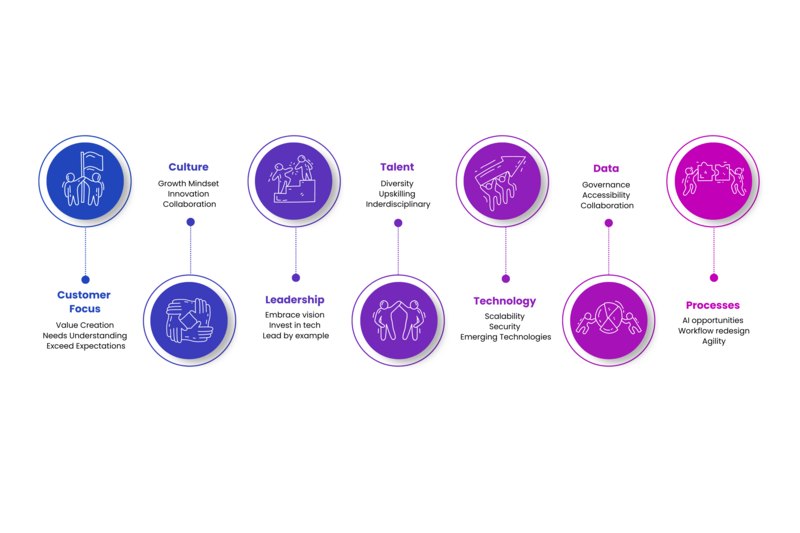
Leadership: Leaders have a vital role in guiding the transformation to an AE. They need to embody the vision, investing in technology, resources, and talent. Their adoption of innovative working practices and willingness to embrace change will inspire the rest of the organization to follow suit.
Culture: The transformation to an AE demands an organizational culture that is receptive to change and innovation. A growth mindset should permeate the organization, encouraging experimentation and collaboration. Creating a safe environment where employees feel comfortable sharing ideas, taking risks, and learning from failures is key to fostering innovation and creativity.
Talent: Attracting, retaining, and nurturing a diverse mix of talent, including data scientists and AI specialists, is crucial. A skilled workforce capable of navigating the AI landscape becomes the linchpin for the AE’s success. Continuous training and learning opportunities ensure employees keep pace with evolving technologies and can fully leverage AI’s potential.
Technology: A robust, scalable, secure, and compatible technology infrastructure forms the bedrock of an AE. This involves investing in hardware and software and reliable data storage solutions. The aim is to facilitate seamless integration and interoperability of various AI tools and platforms, thus optimizing the efficiency of workflows. However, technology should be seen as a tool that enables, not dictates, the business strategy.
Data: Access to accurate, relevant, timely, and high-quality data allows data-driven decision making, innovative solutions, and personalized customer experiences. Implementing robust data governance frameworks is crucial to ensure ethical and effective data management.
Processes: Incorporating AI technologies demands a reassessment and redesign of existing processes and workflows. With AI, organizations can automate routine tasks, streamline workflows, and boost the quality of decision making, all of which contribute to increased efficiency and productivity.
Customer focus: An AE never loses sight of its customers. By leveraging AI, businesses can gain deeper insights into their customers’ needs and preferences, enabling them to deliver highly personalized and seamless experiences across all customer touchpoints. This enhances customer satisfaction and fosters long-term customer loyalty.
These elements, working together, allow a successful transition into an augmented enterprise. It’s a shift beyond the adoption of AI; it’s about creating a dynamic, adaptable organization that can leverage AI’s capabilities to its fullest extent, driving efficiency, innovation, and sustainable growth.
Practical and Actionable Steps
Long-term strategic planning is required in an augmented enterprise where AI can complement and enhance human capabilities. However, there are practical and actionable steps you can take now to start experiencing the advantages of AI augmentation.
Let's distill this into a more approachable road map:
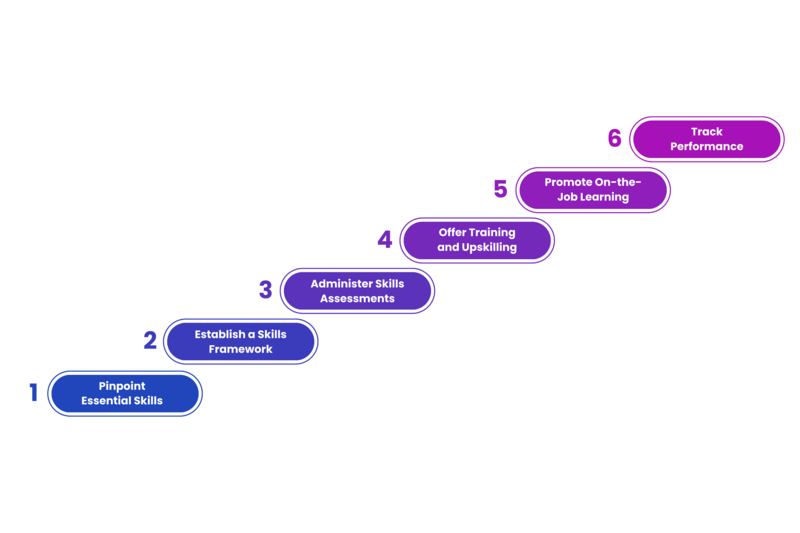
Pinpoint essential skills: Identify skills needed for effective collaboration with AI systems. This could range from data analysis to programming and critical thinking.
Establish a skills framework: Construct a framework outlining the necessary skills and competencies for harmonious work with AI. This clarifies requirements and facilitates the assessment of these skills.
Administer skills assessments: Conduct skills assessments to gauge individual capabilities and identify skills gaps. These could span coding tests, data analysis tasks, and critical thinking evaluations.
Offer training and upskilling: Deliver training and growth opportunities to equip individuals with AI-collaborative skills. Specialized programs centered on data analysis and machine learning could be beneficial.
Promote on-the-job learning: Foster learning on the job via AI-centric projects and assignments. This direct exposure allows individuals to hone practical skills and deepen their AI application comprehension.
Track performance: Monitor individuals' performance to evaluate their efficiency with AI systems. Key metrics to note include productivity, accuracy, and efficiency.
By implementing these steps, organizations can prime their workforce for AI augmentation, allowing a seamless human-AI collaborative environment.
Conclusion
Unlocking the full potential of AI requires a radical shift in perception, viewing AI as a partner rather than a replacement. Equipping our workforce with AI-collaborative skills lays the groundwork for an agile and adaptable organization ready to capitalize on emerging opportunities. The transformation to an augmented enterprise involves embracing change, innovation, and continuous learning.
With early AI adoption and collective intelligence integration, businesses can gain a competitive edge, setting industry standards and shaping the future. It’s a future where human potential is amplified, not stifled, and AI is a powerful tool that drives us to new heights of innovation and productivity.
View Courses Recommended for You