
ATD Blog
What Horses Can Teach Us About Training Delivery
Content
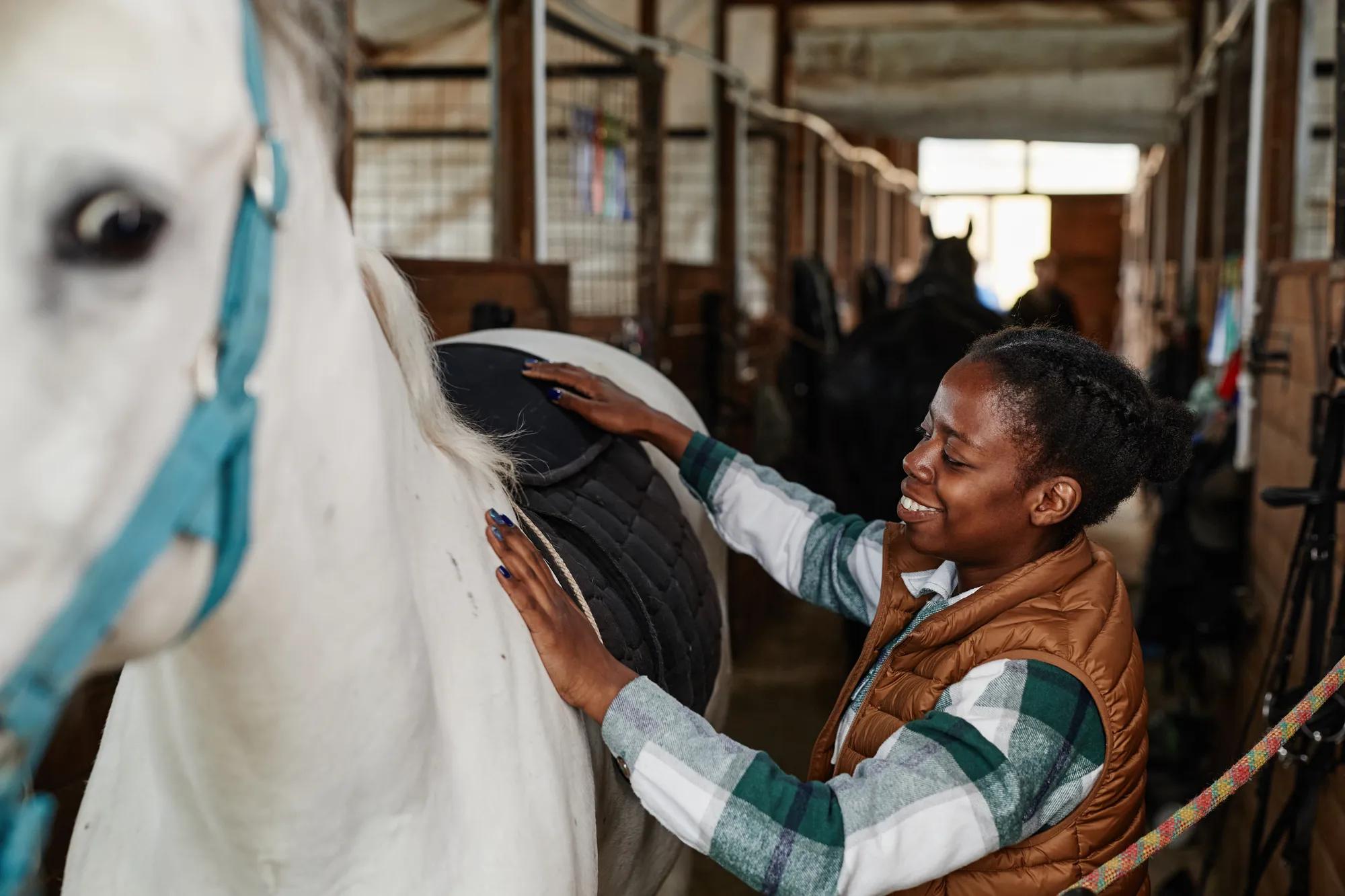
Here are five facilitation capabilities trainers can learn from horses.
Here are five facilitation capabilities trainers can learn from horses.
Mon Mar 30 2026
Content
Facilitation is often described as a technical skill set—design the activity, manage the time, deliver the content. Those mechanics matter, but anyone who has spent real time in front of a group knows they’re only half the job.
Facilitation is often described as a technical skill set—design the activity, manage the time, deliver the content. Those mechanics matter, but anyone who has spent real time in front of a group knows they’re only half the job.
Content
The other half is harder to name and even harder to teach. It’s the ability to read the room without forcing it, to stay steady when energy shifts, to create psychological safety through presence rather than platitudes, and to adjust in real time without losing the thread.
The other half is harder to name and even harder to teach. It’s the ability to read the room without forcing it, to stay steady when energy shifts, to create psychological safety through presence rather than platitudes, and to adjust in real time without losing the thread.
Content
These are not “soft skills.” They are the backbone of effective facilitation. And interestingly, they come into sharper focus when viewed through an unexpected lens: equine-informed leadership principles.
These are not “soft skills.” They are the backbone of effective facilitation. And interestingly, they come into sharper focus when viewed through an unexpected lens: equine-informed leadership principles.
Content
You don’t need to work with horses to benefit from these insights. But horses make visible what humans often miss, and what facilitators must master.
You don’t need to work with horses to benefit from these insights. But horses make visible what humans often miss, and what facilitators must master.
Why Horses Reveal What Facilitators Often Overlook
Content
Horses communicate almost entirely through body language, energy, and intention. As prey animals, they are wired to notice what is happening beneath the surface: tension, hesitation, incongruence, distraction.
Horses communicate almost entirely through body language, energy, and intention. As prey animals, they are wired to notice what is happening beneath the surface: tension, hesitation, incongruence, distraction.
Content
The feedback loop is immediate and honest:
The feedback loop is immediate and honest:
Content
When a person is unclear or internally scattered, the horse reflects that.
When a person is unclear or internally scattered, the horse reflects that.
Content
When that person becomes grounded, consistent, and present, the horse responds just as quickly.
When that person becomes grounded, consistent, and present, the horse responds just as quickly.
Content
There’s no judgment, no story, no interpretation. Just a response.
There’s no judgment, no story, no interpretation. Just a response.
Content
Facilitators experience the same dynamic with groups, even if the signals are subtler. Learners respond to who we are long before they respond to what we say. A facilitator may appear confident, but if they are internally rushed or uncertain, the group often senses it and mirrors it back through disengagement, resistance, or confusion.
Facilitators experience the same dynamic with groups, even if the signals are subtler. Learners respond to who we are long before they respond to what we say. A facilitator may appear confident, but if they are internally rushed or uncertain, the group often senses it and mirrors it back through disengagement, resistance, or confusion.
Content
Horses simply make this dynamic impossible to ignore.
Horses simply make this dynamic impossible to ignore.
Five Facilitation Capabilities Horses Make Visible
Content
1. Presence and Emotional Intelligence
1. Presence and Emotional Intelligence
Content
Horses respond to a person’s internal state, not their script. Groups do the same. If a facilitator is anxious, hurried, or trying to “push through,” the room tightens.
Horses respond to a person’s internal state, not their script. Groups do the same. If a facilitator is anxious, hurried, or trying to “push through,” the room tightens.
Content
Practitioner takeaway: Before managing the group, regulate yourself. One intentional breath can shift the entire tone of the session. Presence is not a soft skill; it’s a performance skill.
Practitioner takeaway: Before managing the group, regulate yourself. One intentional breath can shift the entire tone of the session. Presence is not a soft skill; it’s a performance skill.
Content
2. Reading Group Dynamics
2. Reading Group Dynamics
Content
Horses communicate through micro-cues: a shift in weight, a change in breathing, the flick of an ear. Skilled facilitators develop similar sensitivity with learners. Leaning back, crossed arms, side conversations, or sudden quiet are not problems; they’re information.
Horses communicate through micro-cues: a shift in weight, a change in breathing, the flick of an ear. Skilled facilitators develop similar sensitivity with learners. Leaning back, crossed arms, side conversations, or sudden quiet are not problems; they’re information.
Content
Practitioner takeaway: Observation is an active facilitation tool. A quick, quiet scan of the room helps you catch disengagement early and adjust before issues escalate.
Practitioner takeaway: Observation is an active facilitation tool. A quick, quiet scan of the room helps you catch disengagement early and adjust before issues escalate.
Content
3. Creating Psychologically Safe Learning Environments
3. Creating Psychologically Safe Learning Environments
Content
Horses thrive when leadership is clear, calm, and consistent. They become anxious when signals are mixed or unpredictable. Psychological safety in learning environments grows from the same ingredients: clarity, consistency, and a grounded facilitator presence.
Horses thrive when leadership is clear, calm, and consistent. They become anxious when signals are mixed or unpredictable. Psychological safety in learning environments grows from the same ingredients: clarity, consistency, and a grounded facilitator presence.
Content
Practitioner takeaway: Safety is created less by what facilitators say and more by how they show up . Predictability builds trust.
Practitioner takeaway: Safety is created less by what facilitators say and more by how they show up. Predictability builds trust.
Content
4. Adaptability Under Pressure
4. Adaptability Under Pressure
Content
When a person’s confidence wavers, horses often respond by testing for clarity—not out of defiance, but to understand what’s being asked. Groups behave similarly. When facilitators rush, over-explain, or tighten up, learners may challenge instructions or disengage.
When a person’s confidence wavers, horses often respond by testing for clarity—not out of defiance, but to understand what’s being asked. Groups behave similarly. When facilitators rush, over-explain, or tighten up, learners may challenge instructions or disengage.
Content
Practitioner takeaway: When pressure rises, slow down. Grounding creates clarity; speed creates confusion.
Practitioner takeaway: When pressure rises, slow down. Grounding creates clarity; speed creates confusion.
Content
5. Delivering Feedback That Supports Learning
5. Delivering Feedback That Supports Learning
Content
Horses give feedback without judgement. They simply respond to what’s happening in the moment. Facilitators can adopt the same approach: describe behavior, stay neutral, and invite reflection.
Horses give feedback without judgement. They simply respond to what’s happening in the moment. Facilitators can adopt the same approach: describe behavior, stay neutral, and invite reflection.
Content
Practitioner takeaway: Nonreactive feedback reduces defensiveness and strengthens learning transfer.
Practitioner takeaway: Nonreactive feedback reduces defensiveness and strengthens learning transfer.
Practical Applications for TD Professionals
Content
You don’t need a horse to apply these principles. Small, intentional shifts can elevate facilitation immediately:
You don’t need a horse to apply these principles. Small, intentional shifts can elevate facilitation immediately:
Content
Begin with presence. Take a grounding breath before you speak.
Begin with presence. Take a grounding breath before you speak.
Content
Scan for energy. Look for patterns, not individuals.
Scan for energy. Look for patterns, not individuals.
Content
Increase clarity. Use concise instructions and predictable transitions.
Increase clarity. Use concise instructions and predictable transitions.
Content
Stay neutral. Replace evaluation with observation and curiosity.
Stay neutral. Replace evaluation with observation and curiosity.
Content
Check your internal state. Reset when you feel rushed or reactive.
Check your internal state. Reset when you feel rushed or reactive.
Content
These micro‑practices strengthen multiple capabilities at once—facilitation, interpersonal skills, and adaptability.
These micro‑practices strengthen multiple capabilities at once—facilitation, interpersonal skills, and adaptability.
The Bottom Line
Content
Equine‑informed leadership principles reinforce a truth embedded in the ATD Talent Development Capability Model™ : Facilitation is as much about who we are as what we deliver.
Equine‑informed leadership principles reinforce a truth embedded in the ATD Talent Development Capability Model™: Facilitation is as much about who we are as what we deliver.
Content
When facilitators are clear, grounded, and emotionally regulated, learners feel safer, more engaged, and more willing to take risks. You don’t need a horse to learn these lessons, only the willingness to pay attention to the signals you’re already receiving.
When facilitators are clear, grounded, and emotionally regulated, learners feel safer, more engaged, and more willing to take risks. You don’t need a horse to learn these lessons, only the willingness to pay attention to the signals you’re already receiving.
Content
View Courses Recommended for You