
ATD Blog
Why Purpose Is Better Than Mission
Tue Dec 10 2013
Content
We challenge the conventional wisdom on mission statements.
Content
Many leaders fall into a trap writing mission statements, focusing on the wrong things, blathering on and on with platitudes, often resulting in cynicism in the ranks. Sharper thinking in this area will make significant differences in team clarity, organizational alignment, and leadership effectiveness.
Content
A typical mission statement looks something like this:
Content
“We are committed to achieving world-class quality by providing superior human capital management and maximizing the potential of all stakeholders—clients, candidates, and employees—through the delivery of reliable, responsive, best-in-class, and cost-effective services."
Content
Ugh. Lots of jargon, little inspiration. High on rhetoric, low on meaning. Memorable? No way.
Content
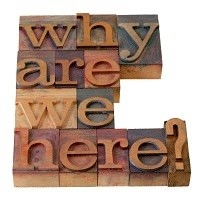
We much prefer “purpose” to “mission” because the latter often denotes a particular shorter-term aim, whereas purpose gets at the ultimate raison d’etre of an organization or group. Purpose addresses WHY the enterprise exists, not what it does.
Content
People hunger to know that their organization has a worthwhile purpose and that their work is meaningful and significant. Are they building something excellent, ethical, and enduring? Will they have a positive impact?
Content
According to a British study, 70 percent of respondents indicated they want their working lives to be more meaningful. During our interview for Triple Crown Leadership, with John Bogle, founder and former CEO of The Vanguard Group (an investment management company), told us, “People want to be part of something bigger than they are and commit themselves to it.”
Content
Authors Linda Hill and Kent Lineback note, “A clear and compelling purpose is the glue that binds together a group of individuals…. It is the source of the meaning and significance people seek in what they do.”
Content
Crafting a purpose statement
Content
The ideal purpose statement is not imposed from above but developed collaboratively with the entire group. It should be short enough to fit on a T-shirt, very long-term, and inspiring. Most of all a purpose statement must be memorable so that everyone in the organization can repeat it from memory whenever asked.
Content
A good example is Disney’s purpose: “Make people happy.” That fits the company’s reason for being, capturing the company’s unique essence, and stands the test of time for decades. Why does the company operate theme parks and distribute books and movies about fun, love, and magic? To make people happy.
Content
Here are some more good purpose statements:
Content
Bright Horizons Family Solutions (provider of employer-sponsored child care): Make a difference in the lives of children and families.
Content
Mary Kay (personal care products provider): Give unlimited opportunity to women.
Content
Merck (pharmaceutical company): Preserve and improve human life.
Content
What about mission statements?
Content
If an organization wants to describe what it does, it can also have a mission statement. This organization description can be shorter term than the purpose statement and may not be so catchy and memorable. The mission of Advance Auto Parts is:
Content
“To provide personal vehicle owners and enthusiasts with the vehicle related products and knowledge that fulfill their wants and needs at the right price. Our friendly, knowledgeable, and professional staff will help inspire, educate, and problem-solve for our customers.”
Content
This statement is too long for most people to remember and not particularly inspiring, but it describes the company’s focus. YouTube’s mission is, “to provide fast and easy video access and the ability to share videos frequently.”
Content
Another source of confusion is the tagline (for example, “Just do it” from Nike and “Think different” from Apple). These are marketing slogans that help differentiate brands but do not address purpose, why an organization exists.
Content
**_For purpose, think “why,” and for mission, think “what.”
Content
_**** Ideally, both should include a sense of inspiration or excellence. **
_****Ideally, both should include a sense of inspiration or excellence.**
Content
According to some, the purpose of any business is to maximize shareholder value. While that aim may get some investor’s juices flowing, it falls flat as a clarion call for employees and can lead to problems, practically inviting unethical behavior to boost profits and share price. Shareholders are necessary and important, but so are other stakeholders such as employees, customers, vendors, and communities.
Content
Skeptics dismiss purpose statements as platitudes. Too often, they are right. Many purpose statements are unoriginal, uninspiring, and disconnected from what people actually feel and experience at work. In too many cases, leaders—if they craft a purpose statement at all—ignore it when immersed in the pressures of the competitive marketplace. Strong leaders place purpose front and center. They go beyond “what” and discover a deeper “why.”
Content |
Content Practical Application Practical Application Content ** ** ** ** Content Does your organization have a written purpose statement? Does your organization have a written purpose statement? Content Is it clear, compelling, short, memorable, and inspiring? Is it clear, compelling, short, memorable, and inspiring? Content Does it address why the organization exists, not what it does? Does it address why the organization exists, not what it does? Content Was it set collaboratively or imposed by edict? Was it set collaboratively or imposed by edict? Content To what extent does your organization work toward the purpose? To what extent does your organization work toward the purpose? |