
The Public Manager Magazine Article
Member Benefit
Hands-on Leadership That Empowers
Content
What are the secrets of can-do leaders? They know what work to delegate and what they need to do themselves.
What are the secrets of can-do leaders? They know what work to delegate and what they need to do themselves.
Fri Feb 10 2017
Content
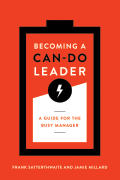
"People in management roles are increasingly being asked, told, or forced to be player-managers—hands-on leaders, who in addition to having formal management responsibilities, also continue to perform significant chunks of professional work that requires considerable technical-functional knowledge and skills," write Frank Satterthwaite and Jamie Millard in Becoming a Can-Do Leader. Sound familiar?
"People in management roles are increasingly being asked, told, or forced to be player-managers—hands-on leaders, who in addition to having formal management responsibilities, also continue to perform significant chunks of professional work that requires considerable technical-functional knowledge and skills," write Frank Satterthwaite and Jamie Millard in Becoming a Can-Do Leader. Sound familiar?
Content
As the authors of the Association for Talent Development book point out, there's little guidance for player-managers deciding what to delegate and what to do themselves. How do you develop your team members, yet stay fresh with your own technical knowledge and skills? Satterthwaite and Millard suggest something they call situational doing.
As the authors of the Association for Talent Development book point out, there's little guidance for player-managers deciding what to delegate and what to do themselves. How do you develop your team members, yet stay fresh with your own technical knowledge and skills? Satterthwaite and Millard suggest something they call situational doing.
Content
You can build your team's skills and knowledge—while using situational doing—through leadership that emPOWERS, explain Satterthwaite and Millard. The acronym POWERS represents:
You can build your team's skills and knowledge—while using situational doing—through leadership that emPOWERS, explain Satterthwaite and Millard. The acronym POWERS represents:
Content
Proficiency: the extent to which a person has knowledge, experience, and skills to do a specific job or task properly. When managers join team members in the hands-on work, they can see firsthand how proficient their team members are: What are the stumbling blocks? What experiences will help an employee gain proficiency?
Proficiency: the extent to which a person has knowledge, experience, and skills to do a specific job or task properly. When managers join team members in the hands-on work, they can see firsthand how proficient their team members are: What are the stumbling blocks? What experiences will help an employee gain proficiency?
Content
Obligation: what specifically is required of the person who has been given the job. Do your team members understand their roles, or do they need further explanations about what is expected? Again, these are questions you can answer by working alongside your direct reports.
Obligation: what specifically is required of the person who has been given the job. Do your team members understand their roles, or do they need further explanations about what is expected? Again, these are questions you can answer by working alongside your direct reports.
Content
Willingness: how motivated direct reports are to fulfill their obligations beyond the bare minimum. A manager who understands what is important to his or her direct reports (their values, talents, and ambitions) will better be able to provide opportunities they will embrace. A player-manager can uncover these motivations by observing how team members react when presented with an assignment.
Willingness: how motivated direct reports are to fulfill their obligations beyond the bare minimum. A manager who understands what is important to his or her direct reports (their values, talents, and ambitions) will better be able to provide opportunities they will embrace. A player-manager can uncover these motivations by observing how team members react when presented with an assignment.
Content
Encouragement: helping direct reports feel confident about the given task—but a simple "attagirl" will not suffice. "If managers don't personally follow up to find out how things are going after handing out an assignment, they will typically only get feedback from their team if the assignment is going wonderfully or if a terrible problem has occurred," write Satterthwaite and Millard. Instead, managers can schedule regular feedback sessions to check on the progress of a task.
Encouragement: helping direct reports feel confident about the given task—but a simple "attagirl" will not suffice. "If managers don't personally follow up to find out how things are going after handing out an assignment, they will typically only get feedback from their team if the assignment is going wonderfully or if a terrible problem has occurred," write Satterthwaite and Millard. Instead, managers can schedule regular feedback sessions to check on the progress of a task.
Content
Resources: whether employees have the tools and means to complete their work. Simply instructing your team to let you know if they need anything falls far short of what is required to give your team the resources they need. When you are engaging in situational doing as a manager, you will gain a much better understanding of what is required for the assignment.
Resources: whether employees have the tools and means to complete their work. Simply instructing your team to let you know if they need anything falls far short of what is required to give your team the resources they need. When you are engaging in situational doing as a manager, you will gain a much better understanding of what is required for the assignment.
Content
Strategies: tactics that employees can use to plan their work project. The authors explain that when you work alongside your team, you can gauge where they might benefit from your expertise and experience and then offer suggestions on next steps.
Strategies: tactics that employees can use to plan their work project. The authors explain that when you work alongside your team, you can gauge where they might benefit from your expertise and experience and then offer suggestions on next steps.
Content
Becoming a Can-Do Leader also discusses how managers can best choose which projects to pursue, create a learning culture, and champion their team.
Becoming a Can-Do Leader also discusses how managers can best choose which projects to pursue, create a learning culture, and champion their team.