
TD Magazine Article
Member Benefit
Neuroinclusive Feedback Is Essential for Growth
How to conduct low-anxiety, bias-aware performance check-ins
Thu Oct 01 2026
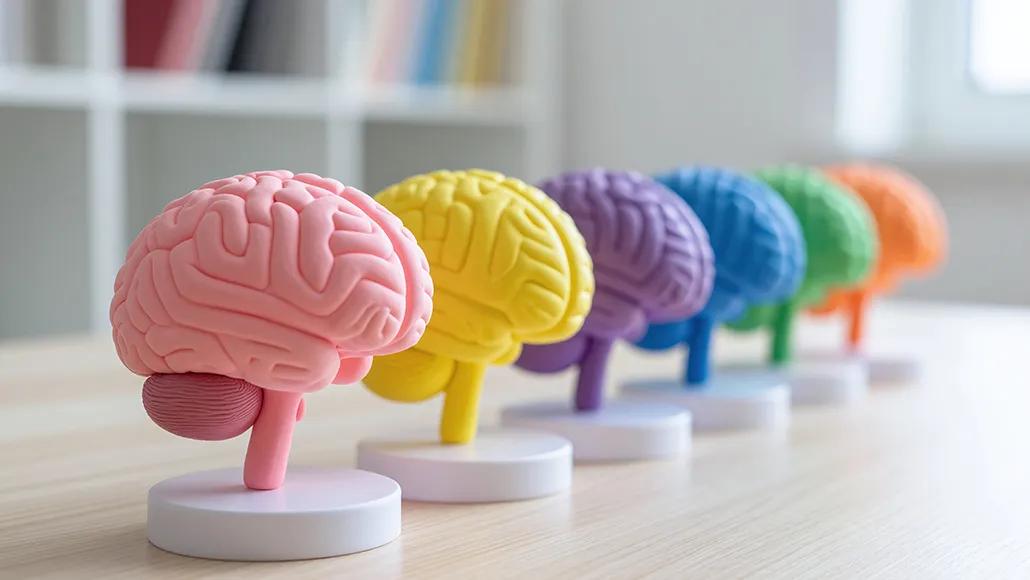
Recent data suggests that as many as one in five people are neurodivergent, yet a staggering 75 percent of neurodivergent employees hide their condition at work. Underreporting is largely driven by fear of discrimination, lack of clarity about their diagnosis, or concern that disclosure will stall career progression.
Individuals often assume that other people process information the same way they do. Those assumptions lead to miscommunication and friction, especially during feedback conversations. Understanding key neurological differences, such as language processing, attention, and working memory, helps explain why feedback may not have the intended impact. Transitioning to a neuroinclusive feedback model enables managers to move past those gaps and adopt approaches that are more effective for all neurotypes.
What it is
We are all neurodiverse, meaning it is human for cognitive processes to differ, even without a formal diagnosis (such as dyslexia or attention deficit hyperactivity disorder). The bias of our neurotype is assuming that how we prefer to organize and present information (whether verbal or nonverbal) is also other people’s preference.
These assumptions create structural barriers and cognitive drain for neurodivergent individuals. Ineffective feedback doesn’t just come from poor relationships; it often stems from format, pace, framing, channel, and unspoken expectations that favor certain neurotypes.
Research shows that feedback rarely creates change, and managers often complain they are repeating the same feedback while employees are stuck not knowing what to do differently.
That’s a psychological phenomenon called the illusion of transparency, which is a cognitive bias where individuals overestimate how clearly other people understand their thoughts and expectations. Because your intent feels clear in your mind, your brain tricks you to believe your communication was equally precise.
How it works
If a manager tells a direct report to “Be more proactive,” the manager often means anticipating needs and taking initiative without someone asking the individual to do so.
However, that expectation is unclear for a neurodivergent employee. What counts as “proactive”? When is it enough? Without clear parameters, they may hesitate or overcompensate. The feedback creates anxiety, not direction, and can lead to decreased initiative.
For feedback to be effective, the person must accept it and believe change is necessary. Without that, psychological responses such as defensiveness block behavior change. Self-determination theory indicates that sustained behavior change is driven by autonomous motivation. For that to occur, the problem must feel self-endorsed.
Language that supports autonomy and self-efficacy increases the likelihood of change by lowering perceived threat. That is especially effective during coaching or performance conversations. For example:
What about your process works well and what are the parts of the process that take the most time?
What parts of the outcome are you proud of and what parts are you frustrated with?
What supports do you need to prevent this mistake from happening again?
When feedback imposes interpretation or removes autonomy, it triggers emotional responses that reduce attention and working memory, making active listening harder and behavior change less likely. Other factors that impede the effectiveness of feedback are:
Inconsistent negative input, which reduces investment in improvement
Vague or contradictory language, which increases confusion and interpretation gaps
High-performance pressure, which increases scarcity mindset, fatigue, and impulsive decisions
Evaluations that reward professional demeanor based on narrow social norms that are often subjective interpretations
Guidelines
Optimizing performance in neurodiverse teams requires intentional systems that go beyond traditional management practices. When managers implement the following approaches consistently, they can reduce friction, increase follow-through, and create more sustainable performance.
Collect communication preferences. Understand how individuals receive information, including format, processing time, and level of directness.
Format: Written versus verbal (What platform are you using and is it easy to reference that feedback later?)
Processing time: Advance planning (preloading information prior to a meeting) versus pausing in the moment (giving 10 seconds of thinking time in the live meeting)
Directness: Explicit imperatives (For example, “Do this by 5 p.m. Tuesday.”) versus inferred demands (For example, “Get it to me as soon as you can.”). Context regarding the why of the deadline also helps and reduces power dynamics.
Begin collecting an employee’s preferences during onboarding and revisit them regularly. Managers also should share their own preferences to reduce friction and improve alignment.
Operationally define progress. Generic evaluation standards often lack clarity. Have employees define what progress looks like in specific, measurable terms. Incorporating regular self-tracking check-ins can improve accountability when systems development is collaborative.
Facilitate motivation. Motivation rarely comes from an employee having someone tell them what to do. Explicit understanding around a bigger strategic goal helps individuals find meaning in their work. People are more likely to act on insights they generate themselves.
Managers should ask questions using objective data and examples to identify the right problem and bridge the gap between their observation and an employee’s experience. For instance, “Interaction on the website seems down from last quarter; what do you think are the contributing factors? What shifts can we make to change outcomes?”
Model the gap. Provide clear examples when addressing skills gaps such as writing, communication, or clarity. Visual or written models help ground feedback in something actionable.
Results Creating neuroinclusive systems improves comprehension, increases internal motivation, and builds systems that work better for everyone—not just the 20 percent of workers who are neurodiverse. By reducing confusion and anxiety in feedback, managers preserve attention and working memory, increasing the likelihood of higher performance.
When managers avoid forcing employees to decode vague instructions or mask for subjective evaluations, they can redirect energy toward problem solving. Ultimately, neuroinclusive feedback environments lead to higher retention, lower burnout, and a culture where clear data and self-generated insight drive performance.
Ethical Considerations for Implementation
Ensure universality. Implement the protocols for the whole team, not just certain employees.
Explain the why. Be transparent about the implementation of new feedback and evaluation protocols and how you hope to adapt communication to increase psychological safety.
Maintain privacy. Be clear that you are not collecting medical data and that all questions regarding preferences are optional.
View Courses Recommended for You
ISSUE
Neuroinclusive Feedback Is Essential for Growth