TD Magazine Article
Member Benefit
Qualified Job Seekers Feel Overlooked
Content
Both hiring managers and job candidates need interview training.
Both hiring managers and job candidates need interview training.
Wed Jul 01 2026
Content
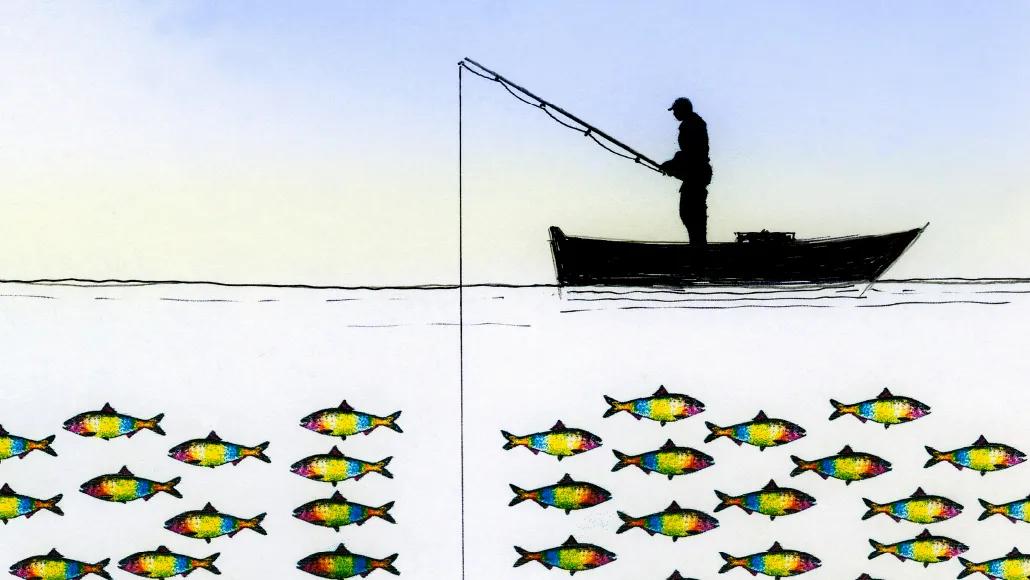
Nearly half of hiring managers admit to overlooking qualified candidates because job seekers have trouble demonstrating skills during the employment process. In fact, 58 percent of applicants say potential employers have rejected them despite being qualified for roles. That's according to The Illusion of Progress in Skills-Based Hiring, the latest offering from the University of Phoenix's Career Optimism Special Report series.
Nearly half of hiring managers admit to overlooking qualified candidates because job seekers have trouble demonstrating skills during the employment process. In fact, 58 percent of applicants say potential employers have rejected them despite being qualified for roles. That's according to The Illusion of Progress in Skills-Based Hiring, the latest offering from the University of Phoenix's Career Optimism Special Report series.
Content
Drawing on a US survey of 1,000 job seekers and 1,000 hiring decision makers, the report reveals that eight in 10 companies have shifted toward a skills-based approach.
Drawing on a US survey of 1,000 job seekers and 1,000 hiring decision makers, the report reveals that eight in 10 companies have shifted toward a skills-based approach.
Content
"When implemented correctly, skills-based hiring creates clarity around what ‘qualified' actually means, improves matching between candidates and roles, and expands the available talent pool," notes Nathan Jones, vice president of product management for Workforce Solutions at the University of Phoenix, in an interview with TD magazine.
"When implemented correctly, skills-based hiring creates clarity around what ‘qualified' actually means, improves matching between candidates and roles, and expands the available talent pool," notes Nathan Jones, vice president of product management for Workforce Solutions at the University of Phoenix, in an interview with TD magazine.
Content
However, 53 percent of organizations lack consistent criteria or evaluation frameworks to review candidates' qualifications. Jones says that means "hiring often defaults to intuition, referrals, or inconsistent evaluation methods rather than objective skill assessment."
However, 53 percent of organizations lack consistent criteria or evaluation frameworks to review candidates' qualifications. Jones says that means "hiring often defaults to intuition, referrals, or inconsistent evaluation methods rather than objective skill assessment."
Content
What's more, 57 percent of hiring decision makers working in HR state they need training to better assess candidates' skills. And 24 percent of non-HR team members, who often have the final say in hiring decisions, receive no training before interviewing candidates. According to the report, two-thirds of HR-based hiring managers receive an interview checklist or standardized interview questions, but only 55 percent of non-HR stakeholders have access to such checklists and even fewer receive questions.
What's more, 57 percent of hiring decision makers working in HR state they need training to better assess candidates' skills. And 24 percent of non-HR team members, who often have the final say in hiring decisions, receive no training before interviewing candidates. According to the report, two-thirds of HR-based hiring managers receive an interview checklist or standardized interview questions, but only 55 percent of non-HR stakeholders have access to such checklists and even fewer receive questions.
Content
"The consequence is structural," Jones explains. "Qualified candidates are overlooked not because they lack ability, but because organizations lack scalable ways to recognize it. This creates frustration for candidates, inefficiency for employers, and reinforces the very biases skills-based hiring is meant to eliminate."
"The consequence is structural," Jones explains. "Qualified candidates are overlooked not because they lack ability, but because organizations lack scalable ways to recognize it. This creates frustration for candidates, inefficiency for employers, and reinforces the very biases skills-based hiring is meant to eliminate."
Content
It's not just the companies that need help with interviewing. Nearly three out of five hiring stakeholders disclose that they rebuff candidates who underperform during the interview. The report advises job seekers to practice how to share examples of what they've built, led, learned, or solved to better impart their skills and strengths.
It's not just the companies that need help with interviewing. Nearly three out of five hiring stakeholders disclose that they rebuff candidates who underperform during the interview. The report advises job seekers to practice how to share examples of what they've built, led, learned, or solved to better impart their skills and strengths.
Content
Complicating issues is that more employers rely on artificial intelligence and applicant tracking technology to screen candidates—even though half believe such tools can disregard qualified applicants. The research found that 57 percent of job seekers and 47 percent of hiring decision makers believe AI introduces bias into the hiring process, yet just one-third of companies audit their tools for potential biases.
Complicating issues is that more employers rely on artificial intelligence and applicant tracking technology to screen candidates—even though half believe such tools can disregard qualified applicants. The research found that 57 percent of job seekers and 47 percent of hiring decision makers believe AI introduces bias into the hiring process, yet just one-third of companies audit their tools for potential biases.
Content
"Talent development teams can close this gap by aligning how skills are defined, developed, and assessed across the organization," says Jones. "That includes building shared skill taxonomies, creating measurable ways to demonstrate capability, and training hiring stakeholders to evaluate skills consistently."
"Talent development teams can close this gap by aligning how skills are defined, developed, and assessed across the organization," says Jones. "That includes building shared skill taxonomies, creating measurable ways to demonstrate capability, and training hiring stakeholders to evaluate skills consistently."
View Courses Recommended for You