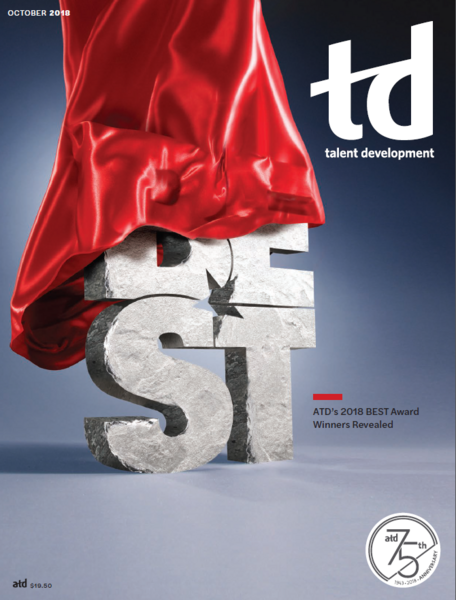
TD Magazine Article
Member Benefit
Realizing Mission-Driven Development
Content
After starting her career in the nonprofit world with several larger organizations, in 2015 Lauren Petersen began working at OneOC, whose mission is to accelerate nonprofit success through volunteering, training, consulting, and business services. In her role, she acts as the liaison between companies, individuals, and foundations.
After starting her career in the nonprofit world with several larger organizations, in 2015 Lauren Petersen began working at OneOC, whose mission is to accelerate nonprofit success through volunteering, training, consulting, and business services. In her role, she acts as the liaison between companies, individuals, and foundations.
Thu Oct 04 2018
Content
Content
Up & Coming: Lauren Peterson
Up & Coming: Lauren Peterson
Content
Title: Foundation and Donor Relations Manager
Title: Foundation and Donor Relations Manager
Content
Organization: OneOC
Organization: OneOC
Content
Location: Orange County, California
Location: Orange County, California
Content
LinkedIn: www.linkedin.com/in/lauren-petersen-4b90b76a
LinkedIn: www.linkedin.com/in/lauren-petersen-4b90b76a
Content
Education: Bachelor's degree, sociology and anthropology (University of Redlands)
Education: Bachelor's degree, sociology and anthropology (University of Redlands)
Content
Favorite Quote: "If you are interested in something, no matter what it is, go at it at full speed ahead. Embrace it with both arms, hug it, love it and above all become passionate about it. Lukewarm is no good. Hot is no good either. White hot and passionate is the only thing to be." —Roald Dahl
Favorite Quote: "If you are interested in something, no matter what it is, go at it at full speed ahead. Embrace it with both arms, hug it, love it and above all become passionate about it. Lukewarm is no good. Hot is no good either. White hot and passionate is the only thing to be." —Roald Dahl
Content
After starting her career in the nonprofit world with several larger organizations, in 2015 Lauren Petersen began working at OneOC, whose mission is to accelerate nonprofit success through volunteering, training, consulting, and business services. In her role, she acts as the liaison between companies, individuals, and foundations.
After starting her career in the nonprofit world with several larger organizations, in 2015 Lauren Petersen began working at OneOC, whose mission is to accelerate nonprofit success through volunteering, training, consulting, and business services. In her role, she acts as the liaison between companies, individuals, and foundations.
Content
How can learning contribute to the success of nonprofits?
How can learning contribute to the success of nonprofits?
Content
Learning is huge for nonprofits, because it helps everyone innovate. It sparks new ideas, which makes them better able to fulfill their missions.
Learning is huge for nonprofits, because it helps everyone innovate. It sparks new ideas, which makes them better able to fulfill their missions.
Content
Another reason that learning is valuable for nonprofits is because you don't go to school to work at these organizations. You fall into them because they're your passion, and it's a sector in which you must become a lifelong learner. It's always evolving, which means there's a lot to keep up with.
Another reason that learning is valuable for nonprofits is because you don't go to school to work at these organizations. You fall into them because they're your passion, and it's a sector in which you must become a lifelong learner. It's always evolving, which means there's a lot to keep up with.
Content
What are the biggest learning-related challenges for nonprofits?
What are the biggest learning-related challenges for nonprofits?
Content
It's sad, because the two biggest challenges are time and money. We obviously can't do anything about time, but nonprofits have notoriously underinvested in learning and professional development. They historically spend much less on it than do corporations, and this is because talent development is one of the easiest things to cut from a budget. However, the funding community is starting to see that nonprofits can't have the impact they want unless they invest in developing their human capital.
It's sad, because the two biggest challenges are time and money. We obviously can't do anything about time, but nonprofits have notoriously underinvested in learning and professional development. They historically spend much less on it than do corporations, and this is because talent development is one of the easiest things to cut from a budget. However, the funding community is starting to see that nonprofits can't have the impact they want unless they invest in developing their human capital.
Content
What resources do you see nonprofits using to provide professional development to their employees?
What resources do you see nonprofits using to provide professional development to their employees?
Content
Nonprofits that operate at the national and international levels often have internal talent development capabilities, but small and midsize nonprofits turn to external service providers. Professional associations, organizations like OneOC, and funders can all provide training, but even something designed and delivered in-house can improve organizational capacity and reduce turnover.
Nonprofits that operate at the national and international levels often have internal talent development capabilities, but small and midsize nonprofits turn to external service providers. Professional associations, organizations like OneOC, and funders can all provide training, but even something designed and delivered in-house can improve organizational capacity and reduce turnover.
Content
How does training volunteers differ from training employees?
How does training volunteers differ from training employees?
Content
The skills for volunteers and employees both ignite a nonprofit's mission, so it might seem at first that the main difference between training the two groups is that one gets paid to be there and the other doesn't. However, how you approach each group is very different.
The skills for volunteers and employees both ignite a nonprofit's mission, so it might seem at first that the main difference between training the two groups is that one gets paid to be there and the other doesn't. However, how you approach each group is very different.
Content
When training volunteers, it's best to frame it as a way of making their work more relevant and valuable to the cause that inspired them to offer their time. For employees, the focus is much more on building professional skills or providing career growth.
When training volunteers, it's best to frame it as a way of making their work more relevant and valuable to the cause that inspired them to offer their time. For employees, the focus is much more on building professional skills or providing career growth.