TD Magazine Article
Member Benefit
The Great Equalizer
Content
Psychological safety eliminates the attrition gap.
Psychological safety eliminates the attrition gap.
Mon Apr 01 2024
Content
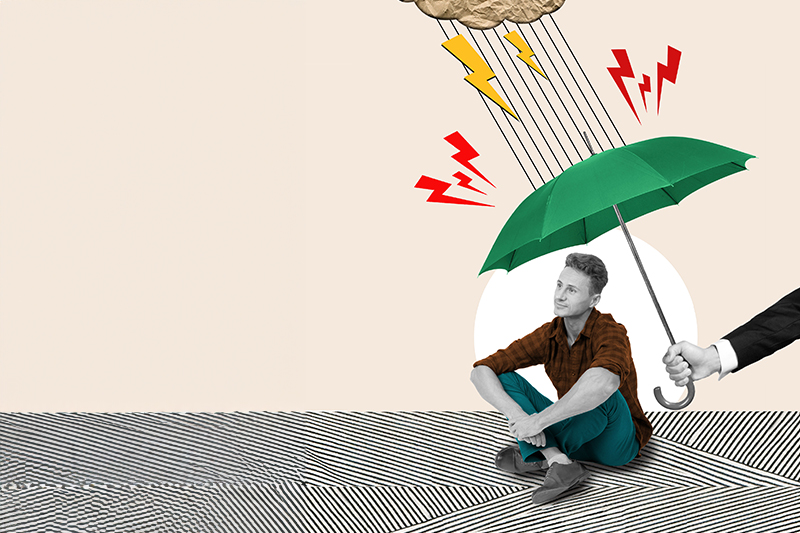
Psychological safety—the belief that people can freely express themselves and take risks without fearing negative consequences—in the workplace can reduce attrition, says Boston Consulting Group (BCG). A 2012 Google study found that psychological safety was the top driver of team success for all employees. More than a decade later, BCG's 2024 report, Psychological Safety Levels the Playing Field for Employees, reveals that a psychologically safe workplace leads to higher motivation, happiness, and retention.
Psychological safety—the belief that people can freely express themselves and take risks without fearing negative consequences—in the workplace can reduce attrition, says Boston Consulting Group (BCG). A 2012 Google study found that psychological safety was the top driver of team success for all employees. More than a decade later, BCG's 2024 report, Psychological Safety Levels the Playing Field for Employees, reveals that a psychologically safe workplace leads to higher motivation, happiness, and retention.
Content
BCG surveyed approximately 28,000 employees in 16 countries. Respondents comprised both part- and full-time workers at companies with at least 1,000 employees. Employees associated psychological safety with feeling two times more motivated, three times happier, and three times more enabled to reach their full professional potential.
BCG surveyed approximately 28,000 employees in 16 countries. Respondents comprised both part- and full-time workers at companies with at least 1,000 employees. Employees associated psychological safety with feeling two times more motivated, three times happier, and three times more enabled to reach their full professional potential.
Content
The data also shows that 12 percent of employees reporting the lowest levels of psychological safety are likely to quit their jobs within a year. That number drops to 3 percent among workers with the highest levels of psychological safety.
The data also shows that 12 percent of employees reporting the lowest levels of psychological safety are likely to quit their jobs within a year. That number drops to 3 percent among workers with the highest levels of psychological safety.
Content
Further, 18 percent of LGBTQ employees in the bottom 30 percent of the psychological safety spectrum are at risk of attrition. That's 6 percent higher than straight and cisgender respondents comprising the bottom 30 percent.
Further, 18 percent of LGBTQ employees in the bottom 30 percent of the psychological safety spectrum are at risk of attrition. That's 6 percent higher than straight and cisgender respondents comprising the bottom 30 percent.
Content
To attract employees at the highest levels of psychological safety, BCG's report shows that leaders need to show empathy. Empathetic leadership can eliminate the disproportionate risk of attrition among diverse employee groups, so organizations should pursue their diversity, equity, and inclusion ambitions to the fullest.
To attract employees at the highest levels of psychological safety, BCG's report shows that leaders need to show empathy. Empathetic leadership can eliminate the disproportionate risk of attrition among diverse employee groups, so organizations should pursue their diversity, equity, and inclusion ambitions to the fullest.
Content
"Collective buy-in from the team is important, but leaders have an outsize impact when it comes to building psychological safety," says Nadjia Yousif, BCG's chief diversity officer. "They set the tone by being role models and signaling what behaviors will be rewarded and what won't be tolerated. Psychological safety can flourish only if it's driven from the top."
"Collective buy-in from the team is important, but leaders have an outsize impact when it comes to building psychological safety," says Nadjia Yousif, BCG's chief diversity officer. "They set the tone by being role models and signaling what behaviors will be rewarded and what won't be tolerated. Psychological safety can flourish only if it's driven from the top."
Content
That said, the report makes it clear that employees shouldn't take advantage of such a culture. "Psychological safety shouldn't be interpreted as a license to bring to the workplace views or opinions that may damage others' psychological safety and feelings of inclusion," the report notes.
That said, the report makes it clear that employees shouldn't take advantage of such a culture. "Psychological safety shouldn't be interpreted as a license to bring to the workplace views or opinions that may damage others' psychological safety and feelings of inclusion," the report notes.