
Talent Development Leader
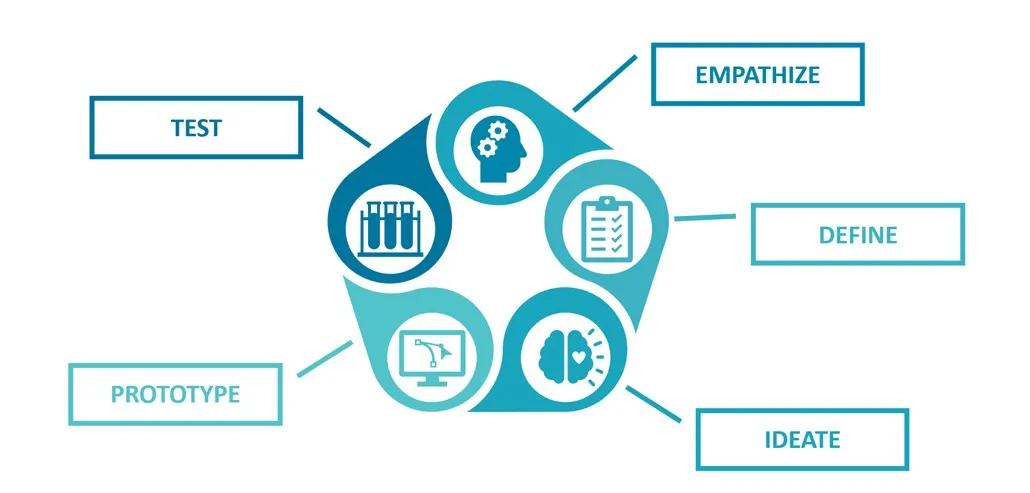
Design Thinking for Strategic L&D
Content
Apply the methodology to highlight L&D value within an organization.
Apply the methodology to highlight L&D value within an organization.
Wed Dec 31 2025

Content
The executive table has an empty chair, and it’s reserved for the function that can translate human capital into measurable financial gain.
The executive table has an empty chair, and it’s reserved for the function that can translate human capital into measurable financial gain.
Content
For too long business has relegated L&D to the reactive task of fixing isolated skills gaps. The true mandate of the modern L&D leader is not to deliver training, but to foster business performance. By adopting the design thinking methodology, L&D leaders can become a strategic partner by aligning every learning initiative with organizational strategy, addressing critical business challenges, and unequivocally showing value to the C-suite.
For too long business has relegated L&D to the reactive task of fixing isolated skills gaps. The true mandate of the modern L&D leader is not to deliver training, but to foster business performance. By adopting the design thinking methodology, L&D leaders can become a strategic partner by aligning every learning initiative with organizational strategy, addressing critical business challenges, and unequivocally showing value to the C-suite.
Driving business value
Content
As L&D leaders, we must diagnose human-centric problems that manifest as business failures—from communication breakdowns and personality conflicts to operational inefficiencies and customer service travails. Those challenges are our greatest opportunity to transition from being a servant leader to the business to becoming a proactive, strategic partner.
As L&D leaders, we must diagnose human-centric problems that manifest as business failures—from communication breakdowns and personality conflicts to operational inefficiencies and customer service travails. Those challenges are our greatest opportunity to transition from being a servant leader to the business to becoming a proactive, strategic partner.
Content
That strategic evolution demands a framework that fosters deep organizational understanding; strategic foresight; and immutable, data-driven decision making.
That strategic evolution demands a framework that fosters deep organizational understanding; strategic foresight; and immutable, data-driven decision making.
Content
We must replace the traditional view of L&D as a cost center to a function that speaks the language of the business: revenue, risk, and efficiency. Achieve that by mastering the economy of action—ensuring every initiative is intentional, maximizing meaning, and minimizing unnecessary fluff.
We must replace the traditional view of L&D as a cost center to a function that speaks the language of the business: revenue, risk, and efficiency. Achieve that by mastering the economy of action—ensuring every initiative is intentional, maximizing meaning, and minimizing unnecessary fluff.
Empathize
Content
The foundational empathize phase of the design thinking methodology is where we must perform our most vital work: Build robust business acumen and uncover strategic organizational needs. While deep human understanding often comes naturally to those in our space, the design thinking paradigm compels us to move fiercely beyond our own assumptions.
The foundational empathize phase of the design thinking methodology is where we must perform our most vital work: Build robust business acumen and uncover strategic organizational needs. While deep human understanding often comes naturally to those in our space, the design thinking paradigm compels us to move fiercely beyond our own assumptions.
Content
Cultivate your own culture of curiosity to truly understand the business landscape and its bottom-line impact by transforming the L&D function from a mere delivery mechanism to a revenue line or measurable savings for the business.
Cultivate your own culture of curiosity to truly understand the business landscape and its bottom-line impact by transforming the L&D function from a mere delivery mechanism to a revenue line or measurable savings for the business.
Content
The empathize phase is not satisfied by simply reviewing a training request or current state training deployment. It demands direct engagement — a practice of deep listening to the company’s heartbeat.
The empathize phase is not satisfied by simply reviewing a training request or current state training deployment. It demands direct engagement—a practice of deep listening to the company’s heartbeat.
Content
Key actions for strategic empathy include:
Key actions for strategic empathy include:
Content
Engaging C-suite and business partners. Conduct in-depth, high-value interviews to uncover strategic priorities, decision-making styles, and desired outcomes from an organization-wide perspective. Create C-suite personas to understand the executive mind and the metrics executives value most.
Engaging C-suite and business partners. Conduct in-depth, high-value interviews to uncover strategic priorities, decision-making styles, and desired outcomes from an organization-wide perspective. Create C-suite personas to understand the executive mind and the metrics executives value most.
Content
Understanding the business beyond training. Actively seek to comprehend the language of financial statements, key performance indicators, market dynamics, and cross-functional operations. Direct engagement with departments—for example, sales, operations, and finance—provides firsthand, unfiltered insights into how different parts of the business function and interrelate.
Understanding the business beyond training. Actively seek to comprehend the language of financial statements, key performance indicators, market dynamics, and cross-functional operations. Direct engagement with departments—for example, sales, operations, and finance—provides firsthand, unfiltered insights into how different parts of the business function and interrelate.
Content
Analyzing existing data. This goes beyond course completion; analyze the value—or lack thereof—within the current system. Use performance data, learner feedback, and engagement metrics to pinpoint specific skills gaps that have a measurable correlation to business outcomes.
Analyzing existing data. This goes beyond course completion; analyze the value—or lack thereof—within the current system. Use performance data, learner feedback, and engagement metrics to pinpoint specific skills gaps that have a measurable correlation to business outcomes.
Content
That disciplined approach combines the broad knowledge with the cross-functional insights necessary to translate complex business strategies into effective, measurable learning programs. Deep empathy and proactive investigation inherently elevate L&D’s perceived value and credibility as a strategic partner.
That disciplined approach combines the broad knowledge with the cross-functional insights necessary to translate complex business strategies into effective, measurable learning programs. Deep empathy and proactive investigation inherently elevate L&D’s perceived value and credibility as a strategic partner.
Define
Content
Building on the insights from the empathize phase, this second phase is where L&D synthesizes complex information to articulate clear, human-centered problem statements directly linked to organizational profitability and strategic goals. Doing so ensures the business views L&D initiatives as strategic investments, not disposable expenses.
Building on the insights from the empathize phase, this second phase is where L&D synthesizes complex information to articulate clear, human-centered problem statements directly linked to organizational profitability and strategic goals. Doing so ensures the business views L&D initiatives as strategic investments, not disposable expenses.
Content
Frame complex, often contradictory situations—where solutions are ambiguous—as clear, actionable design challenges. The process is the ultimate test of strategic alignment. Operationalize your business acumen by distilling complexity into a singular, high-impact problem statement that often begins with the essential framing question: “How might we ...?”
Frame complex, often contradictory situations—where solutions are ambiguous—as clear, actionable design challenges. The process is the ultimate test of strategic alignment. Operationalize your business acumen by distilling complexity into a singular, high-impact problem statement that often begins with the essential framing question: “How might we ...?”
Content
For example, instead of the generic request, “We need leadership training,” frame the strategic problem as: “How might we empower midlevel managers to reduce team turnover by 15 percent within the next year?” That focus ensures L&D efforts align with significant business impact and define measurable objectives tied to desired business outcomes, thus positioning the function as a strategic problem solver.
For example, instead of the generic request, “We need leadership training,” frame the strategic problem as: “How might we empower midlevel managers to reduce team turnover by 15 percent within the next year?” That focus ensures L&D efforts align with significant business impact and define measurable objectives tied to desired business outcomes, thus positioning the function as a strategic problem solver.
Content
Defining strategic challenges include:
Defining strategic challenges include:
Content
Conducting a retrospective audit. Pull together the most relevant and recent examples of your work, so you can implement the design thinking processes for your next project. Look at the last three projects your team created. Working backward from the end result: What would your revised define statement be? Were you able to adapt and adjust the development cycle to reach the most effective solution, demonstrating the iterative nature of your practice?
Conducting a retrospective audit. Pull together the most relevant and recent examples of your work, so you can implement the design thinking processes for your next project. Look at the last three projects your team created. Working backward from the end result: What would your revised define statement be? Were you able to adapt and adjust the development cycle to reach the most effective solution, demonstrating the iterative nature of your practice?
Content
Examining current projects and KPIs. Have you built a direct, measurable KPI into the definition of your problem? Does your program have specific ways of collecting data and measuring success against a stated goal? If not, the initiative lacks the necessary strategic grounding.
Examining current projects and KPIs. Have you built a direct, measurable KPI into the definition of your problem? Does your program have specific ways of collecting data and measuring success against a stated goal? If not, the initiative lacks the necessary strategic grounding.
Content
Defining a benchmark. How do you measure up against yourself and the competitive market? Visualize how your own data measures against internal organizational growth metrics as well as reliable industry standards. Doing so introduces contrast and value into your narrative, emphasizing what’s important.
Defining a benchmark. How do you measure up against yourself and the competitive market? Visualize how your own data measures against internal organizational growth metrics as well as reliable industry standards. Doing so introduces contrast and value into your narrative, emphasizing what’s important.
Ideate and prototype
Content
With a clear, human-centered problem defined, the ideate and prototype phases transform strategic planning into a collaborative and innovative process. This is where L&D moves from understanding to creating by ensuring solutions not only are creative but also deeply align with business needs.
With a clear, human-centered problem defined, the ideate and prototype phases transform strategic planning into a collaborative and innovative process. This is where L&D moves from understanding to creating by ensuring solutions not only are creative but also deeply align with business needs.
Content
Ideation involves facilitating brainstorming sessions with diverse stakeholders—including business leaders, subject matter experts, and learners—to generate a wide range of creative and unconventional solutions for the defined strategic challenges. That ensures proposed solutions are what people actually need and want, moving beyond L&D-centric assumptions.
Ideation involves facilitating brainstorming sessions with diverse stakeholders—including business leaders, subject matter experts, and learners—to generate a wide range of creative and unconventional solutions for the defined strategic challenges. That ensures proposed solutions are what people actually need and want, moving beyond L&D-centric assumptions.
Content
Following ideation, the prototype phase focuses on developing low-fidelity, tangible models or pilot versions of promising ideas (for example, a mock-up of a new learning pathway, a quick video, or a one-page process guide). Put the emphasis on rapid experimentation and learning, not perfection, reducing the risk of costly mistakes later. That is the iterative development that is the core of the instructional design practice.
Following ideation, the prototype phase focuses on developing low-fidelity, tangible models or pilot versions of promising ideas (for example, a mock-up of a new learning pathway, a quick video, or a one-page process guide). Put the emphasis on rapid experimentation and learning, not perfection, reducing the risk of costly mistakes later. That is the iterative development that is the core of the instructional design practice.
Content
The iterative approach fundamentally shifts strategic planning in L&D from an internal exercise to a deeply collaborative, external-facing process. The process ensures L&D’s strategic plans are more relevant, effective, and ultimately, more likely to secure executive buy-in and resources.
The iterative approach fundamentally shifts strategic planning in L&D from an internal exercise to a deeply collaborative, external-facing process. The process ensures L&D’s strategic plans are more relevant, effective, and ultimately, more likely to secure executive buy-in and resources.
Test and iterate
Content
These phases represent the final, critical loop where data and analytics become integral—the true currency for demonstrating L&D’s value and ensuring continuous improvement. This is the undeniable stage for measuring real-world impact and driving strategic decisions.
These phases represent the final, critical loop where data and analytics become integral—the true currency for demonstrating L&D’s value and ensuring continuous improvement. This is the undeniable stage for measuring real-world impact and driving strategic decisions.
Content
L&D actively seeks both:
L&D actively seeks both:
Content
Qualitative feedback. Through surveys, interviews, and focus groups with learners and stakeholders, capture the depth of the experience.
Qualitative feedback. Through surveys, interviews, and focus groups with learners and stakeholders, capture the depth of the experience.
Content
Quantitative Insights. From learning systems (learning management system, learning experience platform), completion rates, engagement levels, and assessment scores, systematically track learner progress.
Quantitative Insights. From learning systems (learning management system, learning experience platform), completion rates, engagement levels, and assessment scores, systematically track learner progress.
Content
Rigorously analyze that rich data to identify patterns, trends, and areas for improvement, thus informing iterative refinements to ensure programs remain effective, relevant, and in alignment with organizational goals.
Rigorously analyze that rich data to identify patterns, trends, and areas for improvement, thus informing iterative refinements to ensure programs remain effective, relevant, and in alignment with organizational goals.
Content
By systematically linking your solutions to performance improvements, productivity gains, and key business outcomes, this data-driven approach empowers L&D to tell a story of impact that concentrates on presenting compelling data, driving investment, and reinforcing your indispensable role as a strategic business partner. Remember, evaluation is about setting a course for continuous growth and optimization.
By systematically linking your solutions to performance improvements, productivity gains, and key business outcomes, this data-driven approach empowers L&D to tell a story of impact that concentrates on presenting compelling data, driving investment, and reinforcing your indispensable role as a strategic business partner. Remember, evaluation is about setting a course for continuous growth and optimization.
The empty chair is a memory
Content
The design thinking framework enables L&D leaders to move beyond traditional roles to ensure learning solutions are human-centered, prove effective, directly contribute to strategic objectives, enhance organizational performance, and mitigate risk.
The design thinking framework enables L&D leaders to move beyond traditional roles to ensure learning solutions are human-centered, prove effective, directly contribute to strategic objectives, enhance organizational performance, and mitigate risk.
Content
L&D earns sustained credibility and its essential role by maintaining strategic alignment and by continually proving that the deepest investment in the business is the deliberate development of its people.
L&D earns sustained credibility and its essential role by maintaining strategic alignment and by continually proving that the deepest investment in the business is the deliberate development of its people.
Content
The mandate is clear: We don’t just deliver training; we cultivate the organizational performance required for success in this new era of L&D.
The mandate is clear: We don’t just deliver training; we cultivate the organizational performance required for success in this new era of L&D.
Content
Read more from Talent Development Leader.