
What is Talent Development?
What is Talent Development?
Content
Talent development (TD) is the strategic process of building employees’ knowledge, skills, and capabilities to improve individual performance and help organizations achieve their goals. The field encompasses learning and development (L&D), training, employee development, talent management , leadership development, succession planning, employee engagement, and workforce development.
Talent development (TD) is the strategic process of building employees’ knowledge, skills, and capabilities to improve individual performance and help organizations achieve their goals. The field encompasses learning and development (L&D), training, employee development, talent management, leadership development, succession planning, employee engagement, and workforce development.
Content
According to Capabilities for Talent Development: Shaping the Future of the Profession , talent development includes efforts that foster learning, engagement, and talent growth to drive organizational performance, productivity, and business results. For some organizations, talent development is a way to unlock human potential and support career growth. For others, it is a business function that creates the systems, processes, and strategies needed to develop talent and improve organizational effectiveness.
According to Capabilities for Talent Development: Shaping the Future of the Profession, talent development includes efforts that foster learning, engagement, and talent growth to drive organizational performance, productivity, and business results. For some organizations, talent development is a way to unlock human potential and support career growth. For others, it is a business function that creates the systems, processes, and strategies needed to develop talent and improve organizational effectiveness.
Content
Talent development is also a profession practiced by learning and talent professionals who design, deliver, and evaluate programs that help employees and organizations succeed. To support the profession, ATD develops capability models that define the knowledge, skills, and behaviors required for success in talent development roles. The ATD Certification Institute offers professional certifications based on those models.
Talent development is also a profession practiced by learning and talent professionals who design, deliver, and evaluate programs that help employees and organizations succeed. To support the profession, ATD develops capability models that define the knowledge, skills, and behaviors required for success in talent development roles. The ATD Certification Institute offers professional certifications based on those models.
Content
While definitions of talent development vary across countries, industries, and organizations, the core purpose remains the same: helping people learn, grow, and perform at their best. By developing employees' skills and capabilities, talent development enables organizations to adapt, innovate, and achieve long-term success.
While definitions of talent development vary across countries, industries, and organizations, the core purpose remains the same: helping people learn, grow, and perform at their best. By developing employees' skills and capabilities, talent development enables organizations to adapt, innovate, and achieve long-term success.
Who Are Talent Development Professionals?
Content
TD professionals play many roles , ranging from specialists such as trainers , instructional designers , coaches , consultants , or organization development professionals, to generalists who use a broad spectrum of practices to achieve organizational goals.
TD professionals play many roles, ranging from specialists such as trainers, instructional designers, coaches, consultants, or organization development professionals, to generalists who use a broad spectrum of practices to achieve organizational goals.
Content
Today, TD professionals serve in organizations and as independent consultants and are the leading agents of change and transformation in organizations. They work to align learning with new directions and help firms manage the human elements of change. They also create talent development strategies that align with the organization's business strategy.
Today, TD professionals serve in organizations and as independent consultants and are the leading agents of change and transformation in organizations. They work to align learning with new directions and help firms manage the human elements of change. They also create talent development strategies that align with the organization's business strategy.
Content
It is now common for professionals to progress from entry-level positions to top-level roles, such as chief talent development officer or chief learning officer, that serve executive teams' priorities.
It is now common for professionals to progress from entry-level positions to top-level roles, such as chief talent development officer or chief learning officer, that serve executive teams' priorities.
Build Essential Skills With ATD Courses
Content
Discover more than 200 industry-leading courses designed to help you grow in your current role or expand into new areas of talent development. Build new capabilities, deepen your expertise, and increase your impact on your organization with ATD Education's extensive selection of in-person, online, and on-demand courses.
Discover more than 200 industry-leading courses designed to help you grow in your current role or expand into new areas of talent development. Build new capabilities, deepen your expertise, and increase your impact on your organization with ATD Education's extensive selection of in-person, online, and on-demand courses.
Why Talent Development Matters
Content
Talent development helps organizations build the knowledge, skills, and capabilities employees need to perform effectively today while preparing for future challenges. By investing in employee learning, leadership development, and career growth, organizations can improve performance, increase employee engagement, strengthen retention, and develop a more adaptable workforce. Talent development is responsible for employee training and development at all levels.
Talent development helps organizations build the knowledge, skills, and capabilities employees need to perform effectively today while preparing for future challenges. By investing in employee learning, leadership development, and career growth, organizations can improve performance, increase employee engagement, strengthen retention, and develop a more adaptable workforce. Talent development is responsible for employee training and development at all levels.
Content
Talent development also supports key business priorities such as innovation, productivity, succession planning, and organizational change. As technology, customer expectations, and workforce needs evolve, talent development enables employees to continuously learn and apply new skills, helping organizations remain competitive.
Talent development also supports key business priorities such as innovation, productivity, succession planning, and organizational change. As technology, customer expectations, and workforce needs evolve, talent development enables employees to continuously learn and apply new skills, helping organizations remain competitive.
Content
At its core, talent development matters because organizational success depends on people. From onboarding to exit interviews, talent development is involved in an employee’s time with an organization. When employees have opportunities to learn, grow, and advance, both individuals and organizations are better positioned to achieve their goals.
At its core, talent development matters because organizational success depends on people. From onboarding to exit interviews, talent development is involved in an employee’s time with an organization. When employees have opportunities to learn, grow, and advance, both individuals and organizations are better positioned to achieve their goals.
Core Capabilities and Focus Areas of Talent Development
Content
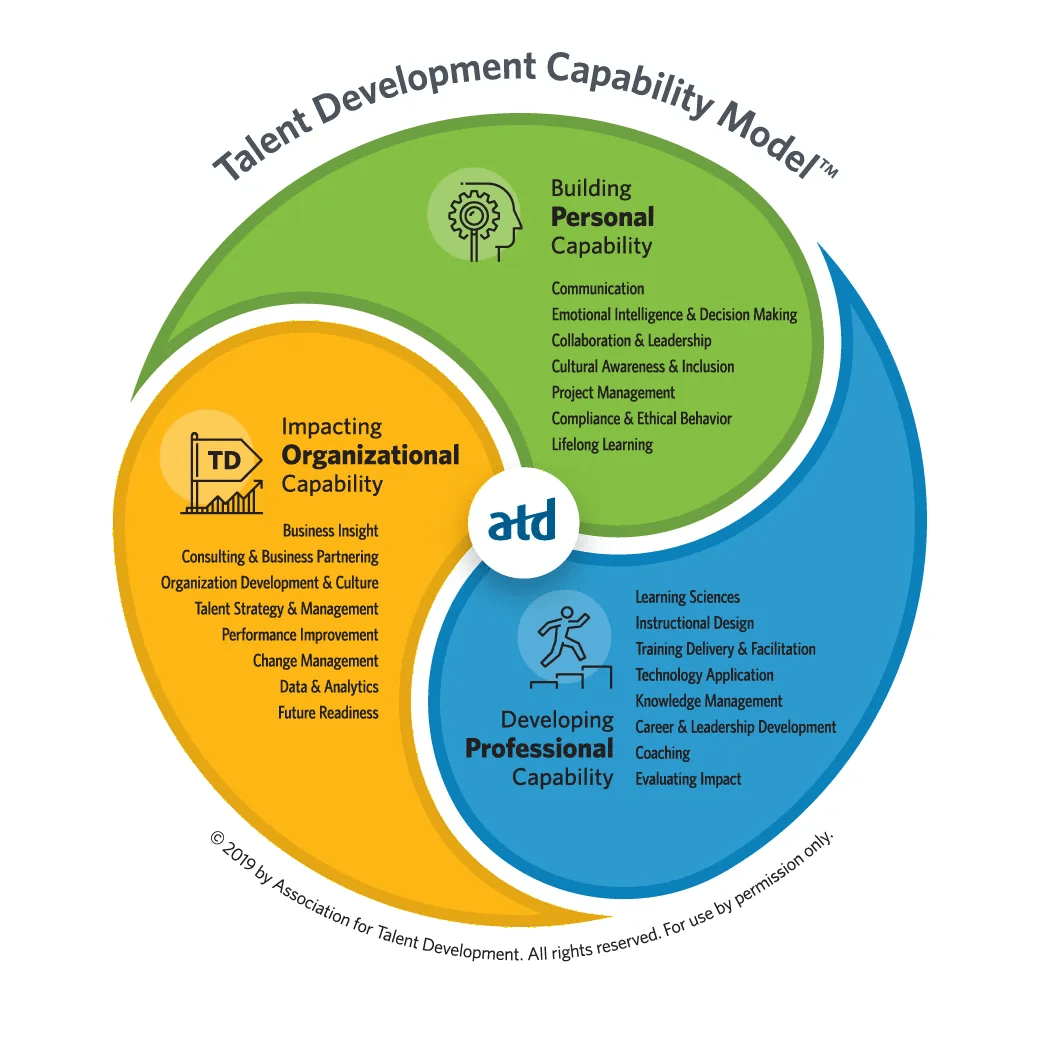
ATD’s 2019 Talent Development Capability study found that the knowledge, skills, and attitudes (KSAs) of effective TD professionals at all levels of their careers fell into three major domains of practice that encompass the ATD Talent Development Capability Model :
ATD’s 2019 Talent Development Capability study found that the knowledge, skills, and attitudes (KSAs) of effective TD professionals at all levels of their careers fell into three major domains of practice that encompass the ATD Talent Development Capability Model:
Content
Capabilities that derive from building interpersonal skills , such as communication, active listening, teamwork, empathy, emotional intelligence, conflict resolution, relationship building, adaptability, and giving constructive feedback.
Capabilities that derive from building interpersonal skills, such as communication, active listening, teamwork, empathy, emotional intelligence, conflict resolution, relationship building, adaptability, and giving constructive feedback.
Content
Capabilities that come from building professional knowledge related to developing people and helping them learn , such as needs assessment, instructional design, facilitation, coaching, performance consulting, learning evaluation, leadership development, and other practices that support employee development and organizational success.
Capabilities that come from building professional knowledge related to developing people and helping them learn, such as needs assessment, instructional design, facilitation, coaching, performance consulting, learning evaluation, leadership development, and other practices that support employee development and organizational success.
Content
Capabilities that affect an entire organization’s ability to drive results and mission success, including the systems, strategies, and practices that enable an organization to achieve its mission and business objectives. Examples include strategic alignment, organizational culture and change capability, and talent and workforce development.
Capabilities that affect an entire organization’s ability to drive results and mission success, including the systems, strategies, and practices that enable an organization to achieve its mission and business objectives. Examples include strategic alignment, organizational culture and change capability, and talent and workforce development.
Content
A comprehensive collection of the concepts, definitions, and methodologies for the profession can be found in the TDBoK™ Guide: Talent Development Body of Knowledge .
A comprehensive collection of the concepts, definitions, and methodologies for the profession can be found in the TDBoK™ Guide: Talent Development Body of Knowledge.
Content
Current and aspiring talent development professionals can enhance their skills with the various professional ATD education courses offered. Practitioners who want to validate their capability may consider a talent development credential, offered by the ATD Certification Institute. Find out more about the Associate Professional in Talent Development (APTD®) or the Certified Professional in Talent Development (CPTD®) here .
Current and aspiring talent development professionals can enhance their skills with the various professional ATD education courses offered. Practitioners who want to validate their capability may consider a talent development credential, offered by the ATD Certification Institute. Find out more about the Associate Professional in Talent Development (APTD®) or the Certified Professional in Talent Development (CPTD®) here.
Talent Development as a Profession
Content
TD professionals help employees learn, grow, and perform effectively. They design, deliver, and support learning and development initiatives that strengthen workforce capabilities and advance organizational goals.
TD professionals help employees learn, grow, and perform effectively. They design, deliver, and support learning and development initiatives that strengthen workforce capabilities and advance organizational goals.
Content
The talent development profession encompasses a wide range of roles, including instructional designers, trainers, facilitators, learning experience designers, talent management specialists, leadership development professionals, coaches, performance consultants, organization development practitioners, learning technologists, and chief learning officers .
The talent development profession encompasses a wide range of roles, including instructional designers, trainers, facilitators, learning experience designers, talent management specialists, leadership development professionals, coaches, performance consultants, organization development practitioners, learning technologists, and chief learning officers.
Content
TD professionals work across industries and organizations of all sizes. They apply expertise in adult learning, instructional design, coaching, performance improvement, leadership development, change management, and talent strategy to help individuals and teams develop the skills needed for current and future success.
TD professionals work across industries and organizations of all sizes. They apply expertise in adult learning, instructional design, coaching, performance improvement, leadership development, change management, and talent strategy to help individuals and teams develop the skills needed for current and future success.
Content
While their responsibilities vary, talent development professionals share a common purpose: enabling people and organizations to learn, adapt, and thrive in a changing world. The top responsibilities of TD professionals include:
While their responsibilities vary, talent development professionals share a common purpose: enabling people and organizations to learn, adapt, and thrive in a changing world. The top responsibilities of TD professionals include:
Content
Conducting needs assessments: Identify skills gaps, performance challenges, and learning needs to determine whether training is needed and what it should address.
Conducting needs assessments: Identify skills gaps, performance challenges, and learning needs to determine whether training is needed and what it should address.
Content
Training design and content development: Create learning programs, experiences, and materials that help employees build knowledge and skills.
Training design and content development: Create learning programs, experiences, and materials that help employees build knowledge and skills.
Content
Training evaluation: Measure the effectiveness and business impact of learning programs to determine whether they achieved their goals.
Training evaluation: Measure the effectiveness and business impact of learning programs to determine whether they achieved their goals.
Content
TD professionals need knowledge of workforce planning, performance management, and succession planning, as well as skills in aligning talent development strategy with business strategy, analyzing skills gaps, and creating training programs that upskill talent for current and future requirements.
TD professionals need knowledge of workforce planning, performance management, and succession planning, as well as skills in aligning talent development strategy with business strategy, analyzing skills gaps, and creating training programs that upskill talent for current and future requirements.
Frequently Asked Questions About Talent Development
What is talent development?
Content
Talent development is the strategic process of building employees’ knowledge, skills, and capabilities to improve individual performance and help organizations achieve their goals. The field encompasses learning and development (L&D), training, employee development, talent management, leadership development, succession planning, employee engagement, and workforce development.
Talent development is the strategic process of building employees’ knowledge, skills, and capabilities to improve individual performance and help organizations achieve their goals. The field encompasses learning and development (L&D), training, employee development, talent management, leadership development, succession planning, employee engagement, and workforce development.
Why is talent development important?
Content
Talent development helps employees build skills, improve performance, and prepare for future roles. Organizations that invest in talent development often see higher employee engagement, stronger retention, increased productivity, and better business results. By developing people, organizations create the workforce capabilities needed to adapt, innovate, and succeed.
Talent development helps employees build skills, improve performance, and prepare for future roles. Organizations that invest in talent development often see higher employee engagement, stronger retention, increased productivity, and better business results. By developing people, organizations create the workforce capabilities needed to adapt, innovate, and succeed.
Who are talent development professionals?
Content
Talent development professionals are specialists who help employees develop the knowledge, skills, and capabilities needed to succeed at work. Common roles include trainers, instructional designers, facilitators, coaches, talent management professionals, organization development practitioners, and learning leaders. Their work supports employee growth, organizational performance, and business success.
Talent development professionals are specialists who help employees develop the knowledge, skills, and capabilities needed to succeed at work. Common roles include trainers, instructional designers, facilitators, coaches, talent management professionals, organization development practitioners, and learning leaders. Their work supports employee growth, organizational performance, and business success.
How is talent development different from talent management?
Content
Talent development focuses on helping employees build knowledge, skills, and capabilities through learning, coaching, mentoring , and development opportunities. Talent management is a broader function that includes attracting, hiring, developing, engaging, retaining, and planning for talent across the organization. Talent development is often considered a key component of an overall talent management strategy.
Talent development focuses on helping employees build knowledge, skills, and capabilities through learning, coaching, mentoring, and development opportunities. Talent management is a broader function that includes attracting, hiring, developing, engaging, retaining, and planning for talent across the organization. Talent development is often considered a key component of an overall talent management strategy.
What does talent development include?
Content
Common areas of TD include training and development, leadership development, coaching and mentoring, career development, onboarding, skills development, succession planning, knowledge management, and employee learning programs.
Common areas of TD include training and development, leadership development, coaching and mentoring, career development, onboarding, skills development, succession planning, knowledge management, and employee learning programs.
Related ATD Resources
Content
The global community of talent development professionals relies on ATD for research, publications, digital content, events, education programs, and professional certifications that support career growth and strengthen practice in the field.
The global community of talent development professionals relies on ATD for research, publications, digital content, events, education programs, and professional certifications that support career growth and strengthen practice in the field.
Content
As the leading organization for talent development professionals, ATD serves as a hub for professional development and lifelong learning. It provides resources and learning pathways for those entering the field, advancing their careers, or expanding their expertise in learning and development, instructional design, and talent management.
As the leading organization for talent development professionals, ATD serves as a hub for professional development and lifelong learning. It provides resources and learning pathways for those entering the field, advancing their careers, or expanding their expertise in learning and development, instructional design, and talent management.
Content
Some places to start if you are new to the field are:
Some places to start if you are new to the field are:
BLOGS
23 Key Training & Development Topic Pages
Content
Explore 23+ L&D topics, each with in-depth blogs that dive into the latest trends and best practices in training and development. Start here!
Explore 23+ L&D topics, each with in-depth blogs that dive into the latest trends and best practices in training and development. Start here!

NEWSLETTERS
ATD Newsletters
Content
Sign up to receive newsletters from ATD topic areas catered to your interest. Learn more!
Sign up to receive newsletters from ATD topic areas catered to your interest. Learn more!

WEBINARS
Upcoming Webinars
Content
ATD gives you the opportunity to connect live with industry leaders with the Watch & Learn webcast series. View Webinars
ATD gives you the opportunity to connect live with industry leaders with the Watch & Learn webcast series. View Webinars

GLOSSARY TERMS
Talent Development Glossary Terms
Content
Learn about essential terms and need-to-know expressions for training and development professionals. Explore now!
Learn about essential terms and need-to-know expressions for training and development professionals. Explore now!
Education Course Catalog
Content
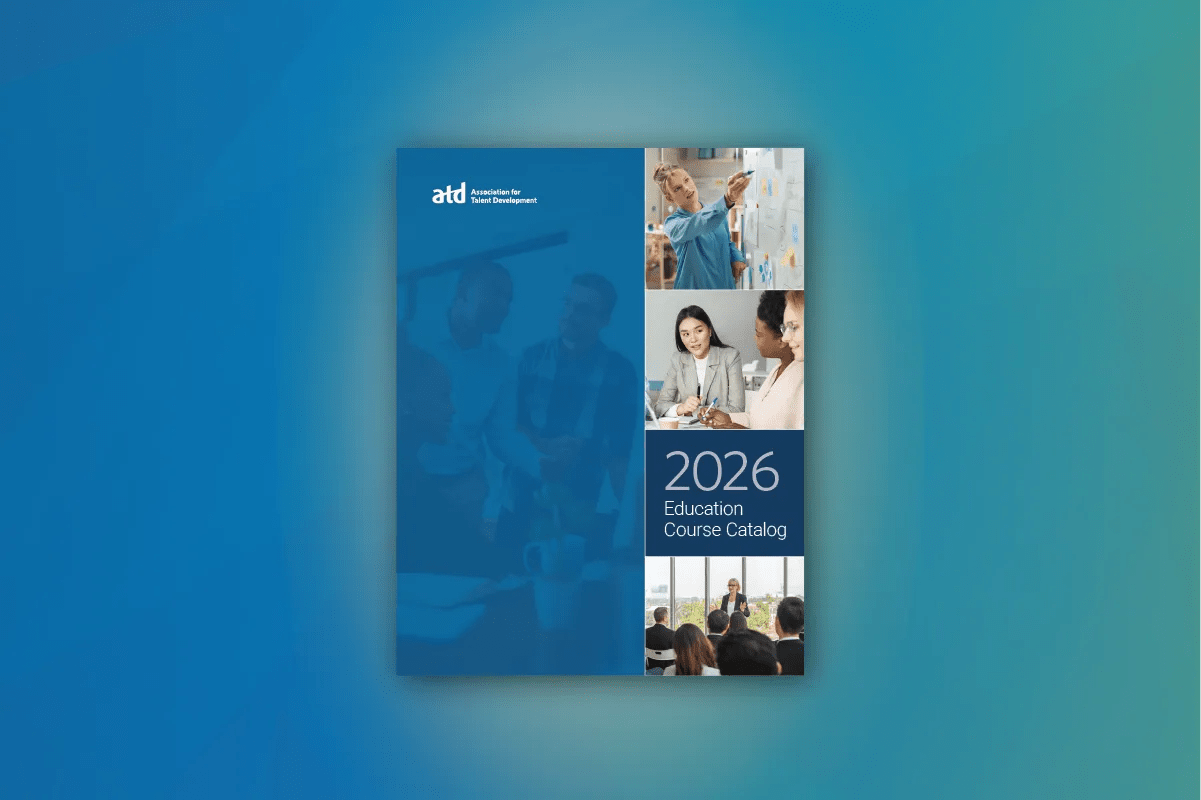
As TD professionals, it’s our job to encourage, promote, and inspire people to learn and grow. And it’s critical that we do the same for you. Explore 160+ courses for practitioners like you. Start Browsing
As TD professionals, it’s our job to encourage, promote, and inspire people to learn and grow. And it’s critical that we do the same for you. Explore 160+ courses for practitioners like you. Start Browsing
EVENTS
ATD Events
Content
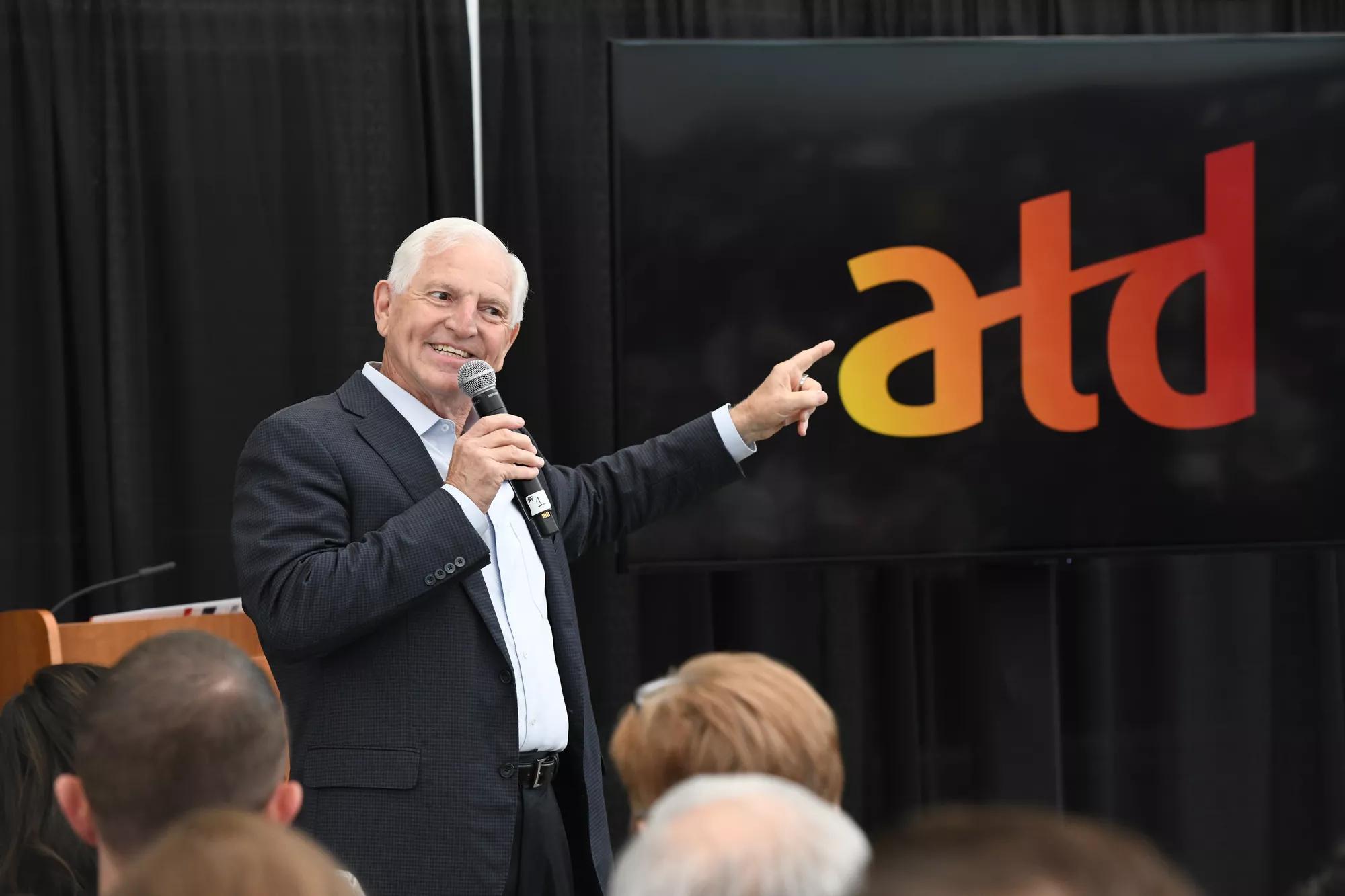
T alent development professionals come together to give you conference experiences that are diverse in education, solutions, and opportunities. Learn more!
Talent development professionals come together to give you conference experiences that are diverse in education, solutions, and opportunities. Learn more!
MEMBERSHIP
Membership
Content
Elevate your career, expand your horizons, and make a lasting impact. Join us today and embark on a journey of growth, connection, and achievement with ATD. Your future self will thank you.
Elevate your career, expand your horizons, and make a lasting impact. Join us today and embark on a journey of growth, connection, and achievement with ATD. Your future self will thank you.

BOOKS
Publications
Content
ATD Press is an internationally renowned source of insightful and practical information on talent development and professional development.
ATD Press is an internationally renowned source of insightful and practical information on talent development and professional development.
Free E-Book: What Is Talent Development?
Discover what talent development is, the evolution of the profession, what TD professionals do, talent development's expanding purpose, and a checklist for talent development organizational readiness.